Nottingham Attack Survivor Demands Accountability as Public Inquiry Approaches
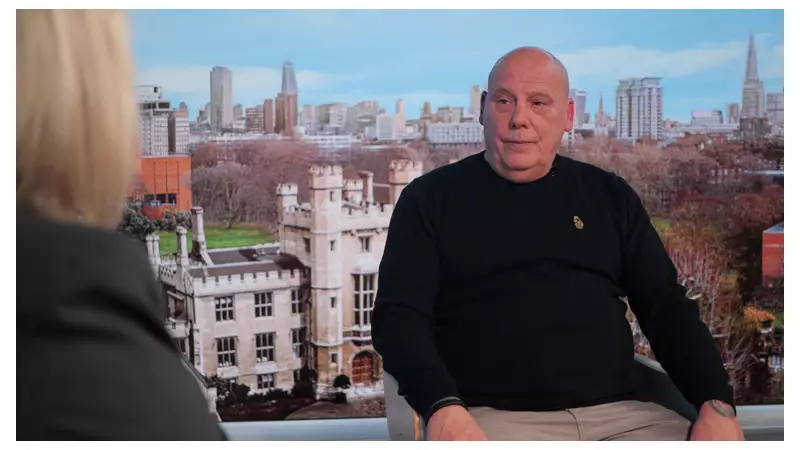
Wayne Birkett, a survivor of the devastating Nottingham attack in June 2023, has issued a powerful call for accountability, stating that someone must take the blame for the killing spree that left three people dead and three others injured. Birkett, who was run over by Valdo Calocane during the rampage, describes his life as starting again after suffering traumatic brain injuries that have erased his memories and forced him to relearn basic skills.
Life-Altering Injuries and Forgotten Memories
Wayne Birkett explains that the attack has turned his world upside down. I've had to learn to read and write and use a phone, he says, highlighting the profound impact of his injuries. He adds that he often meets people he has known for years without recognising them, a consequence of the memory loss he experiences daily. Every day I forget what I did yesterday, Birkett notes, describing his condition as like hell with constant pain, dizziness, and sleeplessness.
The former forklift truck driver was one of three pedestrians struck by Calocane, who used a stolen van after stabbing Barnaby Webber, Grace O'Malley-Kumar, and Ian Coates to death. Calocane, a paranoid schizophrenic, was under the care of Nottinghamshire Healthcare NHS Foundation Trust prior to the attack and later received an indefinite hospital order after pleading guilty to manslaughter and attempted murder.
Systemic Failures in Mental Health Care
A recent report by the Care Quality Commission (CQC) has revealed serious shortcomings in the trust's management of Calocane's case. Inspections conducted between May 2024 and August 2025 found that the trust breached regulations, with seven of its 18 services, including five mental health services, rated as requiring improvement. Key failures identified include:
- Calocane being discharged too early from mental health services.
- Inadequate follow-up when he avoided contact with community mental health teams.
- A lack of proper risk assessments and understanding of mental health legislation.
Greg Almond, a partner at Rothera Bray Solicitors, emphasises that these issues are not new. The CQC report itself is a continuation of many red flags that have been there for years before, he states, calling for government intervention to restructure leadership and address safety risks. Enough's enough, Almond asserts, warning that without action, somebody else is going to die soon.
Call for Action and Upcoming Public Inquiry
Birkett expresses anger towards his attacker, believing Calocane should face harsher punishment, and advocates for increased NHS funding. I think a lot more money needs to be spent on the NHS, he says, stressing the urgency of reform. He has a planned meeting with Health Secretary Wes Streeting and hopes the public inquiry will hold individuals and institutions accountable.
The inquiry, set to examine the roles of the NHS, police, social services, the council, and the Crown Prosecution Service, represents a critical moment for Nottinghamshire. Nottinghamshire Healthcare claims to have made significant improvements and will address the CQC's findings, but survivors like Birkett remain sceptical. I'd like to see people held responsible, Birkett insists, underscoring the need for justice and systemic change to prevent future tragedies.