The Broken Promise of State Care
When the state assumes the role of parent, it makes a fundamental promise: to protect, care for, and guide vulnerable children toward a better future. For 18-year-old Nonita Grabovskyte, this promise was catastrophically broken. Just two weeks after her 18th birthday, the moment she legally became an adult, Nonita took her own life.
Her death represents more than just a tragic individual failure - it exposes systemic flaws within Britain's care system that campaigners argue must become a turning point in how the nation treats those growing up in state care.
The Cliff Edge at 18
For children in care, turning 18 isn't a celebration of independence but often the moment when their support structure collapses. Social workers step back, placements change, funding disappears, and services designed specifically for children cease abruptly.
Nonita's case followed this heartbreakingly familiar pattern. She had received years of support from Child and Adolescent Mental Health Services (CAMHS) for complex trauma and anxiety. Yet as she approached adulthood, this crucial care was withdrawn despite doctors warning she would need continued psychological support.
Just one month before her death, Nonita desperately begged for a single additional CAMHS session. Her plea was refused, leaving her to navigate the difficult transition to adulthood completely alone - a journey that proves particularly steep and unforgiving for care-experienced young people.
A System Stretched Beyond Capacity
Nonita's tragedy occurs within a wider crisis affecting children's social care across Britain. Local authorities face unprecedented pressure, with spending on children's social care consuming growing shares of council budgets. Some authorities now devote more than half their entire resources simply trying to keep up with demand.
The consequences of this strain are severe rationing: fewer social workers, larger caseloads, and diminished time for the children who need support most. In some areas, a single social worker bears responsibility for more than 25 children - double the recommended number. High burnout and turnover rates create a revolving door of professionals, meaning children in care face constant goodbyes to familiar faces.
Mental health services face similar overwhelming demand. The charity Young Minds reports that during 2023/24, 910,567 young people were referred to CAMHS, with 64% failing to receive treatment within the stipulated four-week timeframe. For care leavers like Nonita, such waiting periods can prove fatal.
The Human Cost of Bureaucratic Failure
The investigation into Nonita's death revealed persistent communication failures between agencies. Information became lost during handovers between children's and adult services, with departments operating in isolation while the vulnerable individual at the center disappeared into the gaps.
This systemic failure has devastating real-world consequences. Sky News analysis discovered that 91 care leavers aged 16 to 25 died in the past year alone - nearly two every single week. Behind this shocking statistic lie children like Nonita, full of potential but failed by the adults entrusted with their protection.
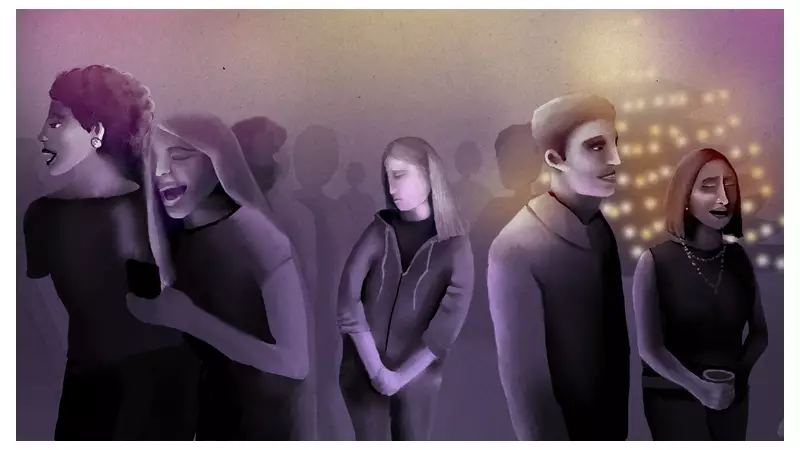
Those who knew Nonita best remember a bright, funny, and fiercely determined young woman. She wasn't invisible - everyone could see she struggled. The profound tragedy is that simply seeing her distress proved insufficient without adequate systemic support.
Government Promises and the Path Forward
Responding to growing public outrage, the government has pledged reform through the Children's Wellbeing and Schools Bill. This flagship legislation proposes new duties for local authorities and potential shifts in the relationship between the state and children in care.
The bill aims to strengthen support for care leavers, improve mental health provision, and introduce a new principle of "corporate parenting" extending to central government. While an important step, campaigners emphasize that such measures will only prove effective if backed by proper funding, staffing, and accountability.
Laws alone cannot repair a broken system. What's fundamentally required is a cultural shift - one that recognizes care-experienced children not as burdens on overstretched services, but as individuals deserving the same love, protection, and consistency that any good parent would provide.
This means properly resourcing local authorities, rebuilding trust between social workers and the young people they serve, and tackling the extensive waiting lists that leave vulnerable teenagers in dangerous limbo.
Campaigners insist Nonita's story serves as both a stark warning and an opportunity to confront uncomfortable truths about what happens when the state stops caring too soon.
Anyone feeling emotionally distressed or suicidal can call Samaritans for help on 116 123 or email jo@samaritans.org in the UK.