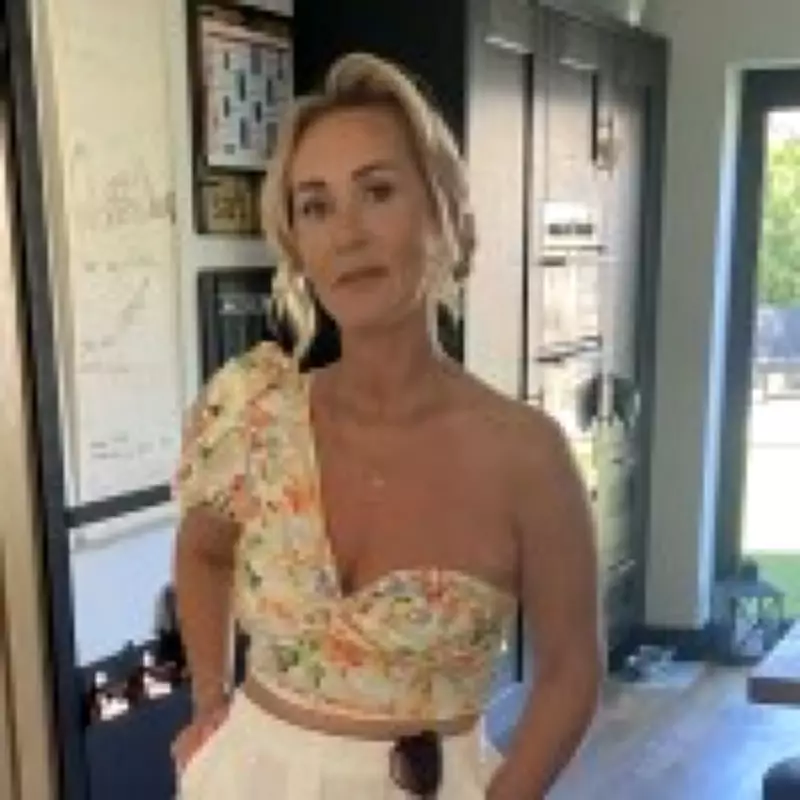
A 47-year-old woman from Carterton, Oxfordshire, has revealed how she nearly died after using counterfeit Ozempic weight loss injections purchased through Facebook, in a shocking case that underscores the growing threat of fake medications sold on social media platforms.
A Desperate Search for Weight Loss Solutions
Michelle Sword, a school receptionist and mother-of-two, first turned to weight loss medication in 2020 after gaining two stone following the breakdown of her 20-year marriage. "They came at a time when I really needed them," she explains. "I'd always been a size 8 to 10, but the weight had been slowly creeping on as I turned to comfort eating. I no longer recognised myself in the mirror."
After obtaining legitimate Ozempic from an online pharmacy, Michelle successfully lost two stone within three months. The medication contains semaglutide, which mimics a gut hormone that suppresses appetite. "Ecstatic" to reach her goal weight, she discontinued the treatment and maintained results through diet and exercise initially.
The Dangerous Turn to Unregulated Sources
By 2023, Michelle had regained weight and found legitimate Ozempic increasingly difficult to source online. When she spotted a company selling the injections on Facebook, it "seemed like a no-brainer." "I panicked and wanted a quick fix," she admits. "I paid £150 through PayPal, and two days later got a month's supply."
Although the pen appeared identical to genuine Ozempic with its blue plastic cover and branding sticker, Michelle noticed concerning signs. "It just kept clicking. I didn't really know what the dose was, so I just decided to stop after a few clicks," she recalls. "When I looked at the inside of the vial, the liquid didn't seem to have gone down that far, so I remember thinking I might have to take some more later."
A Life-Threatening Collapse
Dismissing her concerns, Michelle proceeded with the injection. Just twenty minutes later, "everything went black" and she collapsed on the floor. Fortunately, her 15-year-old daughter returned home unexpectedly and immediately called emergency services.
Paramedics spent over an hour trying to revive the unconscious woman before rushing her to hospital. "My blood sugar level was 0.2 millimoles per litre, when it should have been between four and seven," Michelle reveals. "I was virtually on the brink of death."
Medical tests later revealed the counterfeit pen contained insulin instead of semaglutide, essentially inducing a diabetic coma. Although Michelle eventually stabilised, this near-fatal experience led her to swear she would "never touch jabs again."
Official Warnings and Regulatory Action
Ozempic manufacturer Novo Nordisk emphasises that "patient safety is a top priority" and acknowledges that "counterfeits pose a real threat to safety." The company states on its website: "We are working in close collaboration with the Medicines and Healthcare products Regulatory Agency to identify and eliminate counterfeit drugs from the UK market. Every counterfeit case we are made aware of is looked into and reported to the authorities according to applicable regulations."
The pharmaceutical giant stresses that "prescription-only medicines should only be obtained through legitimate sources and after consultation with a healthcare professional."
The Scale of the Counterfeit Problem
Michelle's experience reflects a broader national issue. A Medicines and Healthcare products Regulatory Agency report revealed that more than 6,500 counterfeit products claiming to contain Ozempic were seized in the UK within just over two years.
"It's absolutely disgusting there are people out there who prey on people's insecurities," Michelle says. "And it's also not helpful that social media platforms endorse these fakes either — with pop up advertisements and links to websites."
Determined to prevent others from making similar mistakes, Michelle warns that regulated medication always requires a prescription. "If there are no eligibility checks, it's probably a scam," she advises.
How to Identify Counterfeit Weight Loss Medications
Healthcare professionals highlight three crucial factors for identifying fake weight loss injections:
- Price: Jason Murphy, head of pharmacy at Chemist4U, warns: "If the cost of the medication seems too good to be true, it most likely is."
- Source: These are prescription-only medications that should only be issued by specialised medical professionals after proper consultation. Unlicensed sellers operating on social media often skip essential safety assessments.
- Appearance: Genuine products feature well-designed packaging with clear, high-quality printing and branding. Counterfeits may display spelling mistakes, blurry printing, incorrect logos, or feel cheap and flimsy. A unique serial number that matches manufacturer records is particularly important.
Ahsan Bhatti, pharmacist and owner of UK online pharmacy Quick Meds, adds: "These non-compliant injectables are a genuine risk to patient safety as we are unable to verify how they've been manufactured — whether they've been stored safely, let alone whether the dosage is even correct."
He emphasises: "Ultimately, the only real way to ensure you're in receipt of a safe and legitimate product is by ordering GLP-1 medication from registered, regulated pharmacy providers. Under no circumstance should you trust weight-loss pens sold on apps such as TikTok, messaging apps or via unverified websites."
A Cautionary Tale with Broader Implications
Michelle acknowledges feeling "stupid and fooled" in retrospect but believes sharing her story could prevent others from seeking dangerous black market medications. "If I can stop one person from seeking black market jabs, then my story is definitely worth sharing," she states.
Healthcare authorities urge anyone who suspects sellers of providing counterfeit goods to report them immediately to the MHRA via its Yellow Card scheme. This case serves as a stark reminder of the critical importance of obtaining prescription medications through legitimate, regulated channels and consulting healthcare professionals before beginning any treatment regimen.