From Silent Despair to Saving Lives: One Mum's Mental Health Journey
Behind the facade of confidence and humour, Elle Ward was silently battling demons that nearly cost her everything. The 28-year-old mother from Orpington has bravely shared her harrowing journey through depression, self-harm, and suicidal thoughts, revealing the stark reality of mental health struggles and the gaps in care that almost proved fatal.
The Breaking Point
From the outside, Elle appeared to be the life and soul of every gathering – funny, outgoing, and seemingly confident. Yet internally, she was crumbling under the weight of constant self-doubt and anxiety. "I could be in the middle of a conversation, looking like I'm having a good time. But in my head I am constantly asking if I'm doing it right, if these people even like me," Elle explains. "I had a constant internal voice questioning everything."
Her struggles began in her teenage years with self-harm, depression, and poor self-esteem, often clashing with her parents. By her late twenties, juggling single motherhood and a demanding teaching career pushed her to dangerous lows. "On the drive to work, I would be silently begging someone to crash into my car, so I wouldn't have to do it myself," she reveals.
The Descent and Intervention
In October 2024, burnt out from work and devastated by the end of a long-term relationship, Elle reached her breaking point. "I was going off the rails. I was driving, taking recreational drugs every Friday and Saturday night. By Sunday I wasn't a very nice person," she remembers. "Everyone understandably thought I was selfish, but I was ill. I just felt – I can't do this anymore."
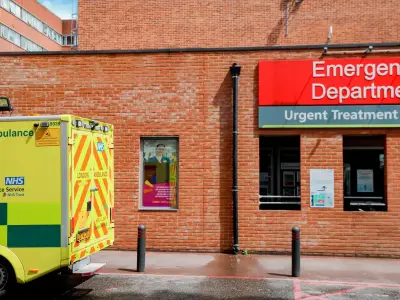
That week, Elle quietly prepared to end her life, taking her eight-year-old son on special outings and spending precious time with family. "I was at peace with ending my life. And it sounds strange, but it was probably the best I'd felt in such a long time," she recalls. A chance visit from a neighbour saved her life, leading to emergency hospital admission and subsequent transfer to a psychiatric ward in Sidcup.
Psychiatric Ward Experience
Arriving at the ward at five in the morning, Elle was initially terrified by her surroundings and fellow patients. With her personal items confiscated and everything bolted down in her room, she retreated into herself. "I refused to talk to anyone and just lay on the plastic mattress staring at the ceiling. I didn't shower, I didn't eat. I might as well have been dead, because that is what it felt like," she admits.
Gradually, she began connecting with other patients, discovering unexpected kindness and understanding. "I look back on it now as the best and worst six weeks of my life, because for the first time I was around people that understood. I didn't have to hide anymore," Elle reflects. She particularly remembers one patient who became her guardian angel, ensuring she ate and received care.
However, Elle expresses disappointment with the professional support received. Beyond medication, she only saw a psychiatrist twice in six weeks, received no individual therapy, and found promised activities frequently cancelled due to staff shortages.
The Dangerous Gap in Aftercare
Discharged before Christmas to return to her son, Elle's suicidal feelings quickly returned. "I felt safe in hospital, but as soon as I'd come back, there was just everything at your fingertips. And no one can protect you from everything all the time," she explains.
The promised follow-up care proved inadequate and delayed. A 15-minute home treatment team appointment felt like "the most pointless 15 minutes of my life. A complete box-ticking exercise." Weeks turned into months with no support, despite her mother's desperate attempts to contact various services. When Elle finally received a psychiatrist appointment letter scheduled for May, she broke down. "I cried and told my mum – I don't think I can last that long," she remembers.
During this period, Elle made further suicide attempts but stopped seeking hospital help, feeling it was pointless. The lack of support confirmed her worst fears. "Everyone around me was on eggshells. I could just see the worry in their faces. It confirmed the idea in my head that I wasn't really worth it," she says.
Turning Pain into Purpose
Last August marked a turning point when Elle finally received meaningful help through an NHS psychologist she describes as "absolutely brilliant." "She follows me up, books appointments, and calls weekly to check in," Elle explains. "She treats me like a human being."
With renewed strength and stability, Elle began sharing her experience online, connecting with others who had faced similar gaps in care. This inspired her to establish the charity What About Now, named after the question she asked when discharged without proper follow-up.
The charity's main initiative, Chatty Corner, partners with local cafés in Bromley and Bexley, creating community spaces where people can drop in for companionship, practical advice, or simply a safe place to talk. Elle hopes to expand this model nationally, building an inclusive support network accessible regardless of income.
A Message of Hope and Advocacy
"I don't think anyone should be discharged from hospital into nothing. People deserve meaningful aftercare and more needs to be done to protect people when they are at their most vulnerable," says Elle, who has also written a book about her experiences.
While she acknowledges she still has difficult days, Elle feels stronger than she has in years, keeping busy with her son and charity work. Yet anger remains about the system that nearly failed her completely. "I am angry because I nearly died, and my little boy nearly lost his mum because I fell through the cracks. I don't want anyone else to go through what I did," she states emphatically.
Her journey from silent despair to creating life-saving community support serves as both a cautionary tale about mental health care gaps and an inspiring example of turning personal trauma into public service.