
London Stress Epidemic Triggers Widespread Hair and Scalp Problems
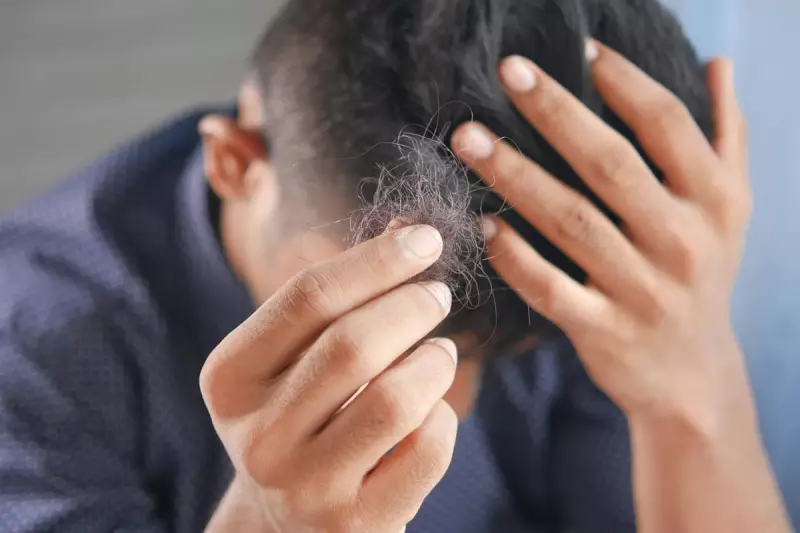
New research has uncovered a startling connection between the intense pressures of life in the capital and physical health, with almost 90% of Londoners reporting stress-related hair loss and scalp conditions. The study, commissioned by coal-tar shampoo brand Polytar, paints a picture of a city under significant strain, where emotional stress manifests in visible, physical ways.
National Stress Levels and London's Leading Position
The findings indicate that 84% of UK adults feel stressed to some degree on a daily basis. However, Londoners are among the most stressed in the country, with a striking 89% experiencing some level of daily stress. Even more concerning, 34% of London residents describe themselves as quite stressed or very stressed. Women report higher stress levels than men nationally, at 88% versus 80%.
Physical Manifestations: Hair and Scalp Symptoms
Almost one in two people (49%) notice negative changes in their hair and scalp during stressful periods. These symptoms appear quickly, with over two in five (42%) observing issues within a few days of stress onset. However, resolution is slower, as over a quarter (28%) report it takes one to two weeks for conditions to settle after stress subsides.
Gender-Specific Symptoms:
- For women: The most common stress-related scalp symptom is hair shedding or breakage (45%), followed by persistent itchiness (34%) and a dry or tight-feeling scalp (27%).
- For men: Dandruff leads at 37%, with persistent itchiness (34%) and increased flaking (30%) also prevalent.
Perceived Causes and Contributing Factors
Women and men identify different primary triggers for their stress-related scalp problems.
Women's Perspective: A significant 59% of women believe hormonal changes are a key contributor. Studies confirm that hormonal shifts during puberty, menstruation, pregnancy, or menopause can impact scalp health by altering oil production, affecting moisture balance, and influencing hair follicle activity.
Men's Perspective: Over half (51%) cite poor sleep or fatigue as a major contributor. This is followed by increased anxiety or mental health issues (48%) and financial stress or cost of living pressures (42%).
Ignoring the Problem: Common Responses
Despite the prevalence of symptoms, many individuals choose not to address them directly. One in four (25%) admit to ignoring stress-related scalp issues altogether, while 16% say they cover up or style their hair differently to hide visible signs.
Expert Insight from Trichology
Trichologist Amy Hunt explains the biological mechanisms at play. "From a trichological perspective, stress is a significant trigger for scalp conditions. Chronic stress keeps the nervous system in a heightened state, increasing cortisol levels, which can disrupt immune function and weaken the scalp's protective barrier. This can accelerate skin cell turnover and inflammation, making conditions such as dandruff, psoriasis, and eczema more likely to flare, particularly in those already predisposed."
Management and Treatment Recommendations
The NHS advocates lifestyle changes to reduce stress, including being active, connecting with people, and taking personal time. These measures can eventually lower the likelihood of stress-related scalp issues.
For direct symptom management, medicated shampoos can offer targeted support. Amy Hunt notes, "Medicated shampoos contain active ingredients that help reduce inflammation, rebalance the scalp microbiome, and regulate excessive skin cell turnover. Used consistently during flare-ups, they can ease symptoms such as itching, scaling, and irritation and form part of an effective long-term management plan." She recommends using a medicated shampoo once a week to combat conditions like dandruff, psoriasis, eczema, and itchy scalp.
This research highlights a critical public health issue in London, where the psychological toll of urban living is increasingly reflected in physical symptoms, demanding greater awareness and proactive management strategies.




