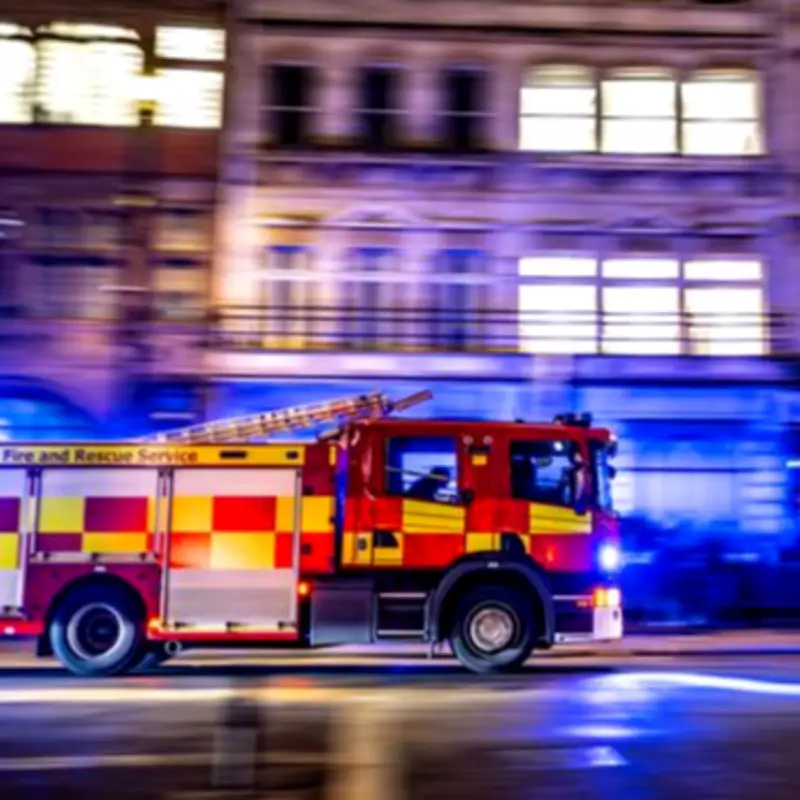
London Firefighters Exposed to Toxic Chemicals Amid Growing Cancer Concerns
The Government is facing mounting pressure to address the serious health risks confronting London firefighters, as new evidence reveals routine exposure to cancer-causing chemicals should not be an unavoidable aspect of their daily duties. A comprehensive report from the London Assembly Fire Committee has highlighted alarming statistics and called for immediate action to safeguard those who protect the public.
Alarming Cancer Rates Among Fire Service Personnel
Firefighters in London are regularly encountering toxic substances released during fires, including hazardous materials like asbestos and heavy metals known to be carcinogenic. Shockingly, for firefighters between the ages of 35 and 39, the cancer diagnosis rate is three times higher than that of the general population. This troubling data underscores the urgent need for enhanced protective measures and health monitoring within the fire service.
On a daily basis, these brave individuals risk exposure to carcinogens—substances that can cause cancer by damaging DNA. These dangerous toxins can be absorbed through the skin, inhaled, or ingested, and contaminants often linger on personal protective equipment (PPE), compounding the risk over time. Approximately one in 25 firefighters, or 4%, have reported being diagnosed with cancer, with the highest prevalence observed among those in their late 30s.
Call for Government Action and Improved Safety Protocols
The London Assembly Fire Committee, chaired by Zack Polanski AM, is urging the Government and the National Fire Chiefs Council to implement stronger safety measures. Polanski emphasised that "exposure to toxic chemicals should not be an unavoidable consequence of protecting the public." The committee's report advocates for the creation of a UK-wide firefighter exposure and health monitoring programme, with a pilot scheme suggested for operational firefighters in London to better track and mitigate risks.
Despite improvements in policy and culture within the London Fire Brigade, firefighters continue to face a heightened chance of cancer diagnosis. Researchers are still investigating the precise causes of this increased risk, but it is clear that more robust interventions are necessary. The report also notes that while a new contaminants policy has helped shift away from the outdated notion that a dirty kit is a 'badge of honour,' challenges persist with PPE availability and older fire stations, leading to inconsistent application of safety protocols.
Key Recommendations to Mitigate Health Risks
The committee has outlined several critical recommendations to address these pressing health concerns:
- Strengthening training, assurance, and compliance with fire contaminants policies to ensure consistent safety practices.
- Improving PPE availability and future-proofing procurement processes to guarantee adequate protective gear for all firefighters.
- Embedding health promotion and preventative support within occupational health provisions to proactively address potential issues.
- Calling on the Industrial Injuries Advisory Council to review evidence on cancer risks specifically linked to firefighting, which could lead to better recognition and compensation for affected personnel.
Long-Term Health Implications and Previous Research
Polanski further highlighted that "fires don't end when the flames are out as toxic contaminants can remain long afterward." This statement underscores the persistent dangers firefighters face even after emergencies are resolved. The report acknowledges that while the London Fire Brigade has made significant progress, more must be done to understand and reduce the long-term health risks associated with the profession.
These findings build upon earlier research, such as a 2023 study by the University of Central Lancashire, which revealed that firefighters are 3.8 times more likely to die from prostate cancer than the general public. That study also indicated a 3.17 times higher risk of mortality from leukaemia and a 2.42 times increased chance of death from oesophageal cancer. Overall, firefighters' risk of death from all cancers was found to be 1.6 times higher than that of the general population, reinforcing the urgent need for comprehensive health interventions and ongoing monitoring.