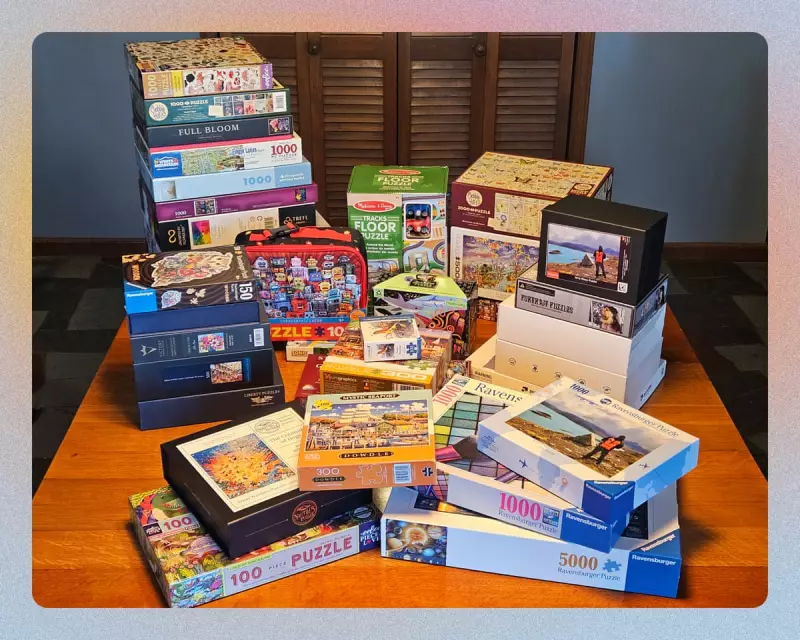
In an era dominated by digital distractions and shrinking attention spans, many Britons are discovering that the solution to modern stress might lie in a traditional pastime: jigsaw puzzles.
As social media platforms like TikTok, Instagram Shorts, and upcoming Vine reboots continue to fragment our concentration, making conscious use of free time has become crucial for protecting mental wellbeing.
The Mental Health Benefits of Puzzling
According to journalist Tim Stevens, who has over 25 years of experience reviewing products, jigsaw puzzles offer what he describes as "the ultimate digital detox for defragmenting your mind." Stevens and his wife Amanda have both turned to puzzles as a form of meditation-in-motion after long, stressful days.
The activity provides a uniquely satisfying tactile experience that digital alternatives can't match. "There's more of a feeling of weight and accomplishment than tapping, pinching, and dragging things around in digital puzzles on an iPad," Stevens notes.
Perhaps most importantly, puzzling induces a serene, calm state of mind by requiring concentration on a complex task without the stress typically associated with work challenges. This combination allows practitioners to push routine worries aside and stay present in the moment.
Getting Started with Your First Puzzle
For those new to the hobby, Stevens recommends beginning with proper preparation. Before dumping out the box, sift out the puzzle dust – debris from the manufacturing process – using a colander shaken over a bowl or cardboard. Avoid shaking directly over trash cans to prevent losing pieces.
When facing that initial pile of pieces, follow these steps:
- Flip all pieces upright and sort by colour or distinctive patterns
- Assemble the straight-edged border pieces first to establish dimensions
- Work your way inward from the edges
Finding the right workspace is equally important. Choose a wide, flat surface with good lighting that won't be disturbed, as puzzles can take days or weeks to complete. Dining tables work well, though you might need to cover them with a cloth during meals.
Essential Tools and Troubleshooting
While jigsaw puzzles require minimal equipment, a few accessories can enhance the experience. Proper lighting is crucial, with adjustable smart bulbs providing cool light for daytime puzzling and warmer tones for evening sessions.
Sorting trays, like Ravensburger's Sort and Go system, help organize pieces, though cookie sheets or cardboard work equally well. For portability, consider investing in a travel case like the Jumbo Portapuzzle to protect partially completed puzzles.
When frustration strikes, Stevens suggests switching to a different section of the puzzle with distinctive colours or patterns. If you suspect missing pieces, check the floor first, then contact the manufacturer, as many companies provide free replacements for manufacturing errors.
The Social and Cognitive Advantages
Jigsaw puzzles offer excellent opportunities for cooperative problem-solving. Stevens and his wife found puzzling together provided quality time for conversation while working toward a shared goal.
Beyond the immediate relaxation benefits, research indicates that regular puzzling may help reduce long-term cognitive decline. The activity also allows appreciation of beautiful artworks in an engaging, hands-on way.
As Stevens concludes, this age-old hobby provides the perfect antidote to modern digital overload, offering both mental respite and cognitive benefits that extend far beyond the completed image.