Rediscovering Jigsaw Puzzles: A Lifeline in Modern Chaos
In a world dominated by screens and constant stimulation, one simple change has emerged as a powerful antidote to anxiety: the humble jigsaw puzzle. For Rachel Hosie, a freelance writer based in the south of France, this analog pastime has become an unexpected sanctuary, offering a rare escape from the pressures of daily life.
From Skepticism to Obsession: A Personal Journey
Until recently, Hosie viewed jigsaw puzzles as a childish diversion, something she hadn't touched in over two decades. "As far as I was concerned, puzzles were for children," she recalls. "There were always other more exciting, interesting, and productive things to do – or so I thought." That perception shifted dramatically during a rainy autumn afternoon in 2026, when she stumbled upon an untouched puzzle gifted years earlier.
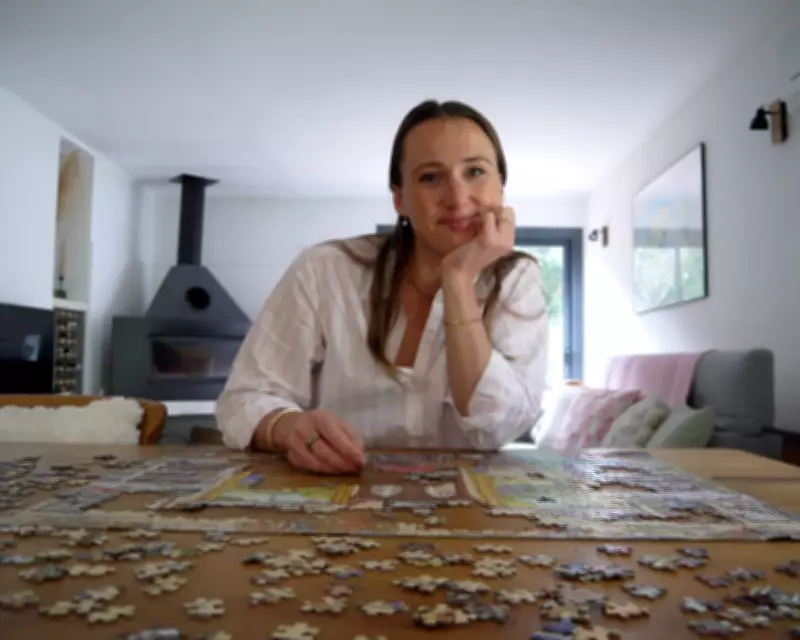
With her husband engrossed in a film, Hosie decided to give it a try. The 1,000-piece puzzle, featuring a charming illustration of Agatha Christie at her writing desk, quickly captivated her. "I was immediately hooked," she says. Over the next couple of weeks, she dedicated anywhere from five minutes to two hours at a time to the task, finding it oddly addictive and surprisingly rewarding.
The Science of Satisfaction: Why Puzzles Work
Every successful placement of a puzzle piece delivers a small rush of dopamine, a natural reward for effort. "It's a dopamine hit, but one I've worked for instead of just scrolling from Instagram reel to Instagram reel," Hosie explains. This sense of achievement contrasts sharply with passive digital consumption, offering a tangible, hands-on experience that engages both mind and body.
Unlike other relaxation techniques, puzzling demands complete focus. "The slightly physical aspect of it, leaning over the pieces and picking different ones up, means I can't be on my phone at the same time," she notes. This screen-free activity provides a rare break in a life saturated with technology, from computers and televisions to workout apps and podcasts.
A Tool for Mental Wellness in Turbulent Times
Hosie discovered her first puzzle during a period of significant life upheaval. "I was newly freelance, adjusting to big life changes like getting married, quitting my job, and moving abroad within the space of three weeks," she shares. "I felt as if things were speeding out of control." The puzzle offered an unexpected calm, soothing her anxiety in ways that walking, reading, or meditation had failed to do.
For an overthinker who struggles with uncertainty, the structured yet creative nature of puzzling proved ideal. "It's an unintentionally mindful activity that calms my racing mind and helps me de-stress," she says. The process, rather than the speed of completion, became the focus. "It's not about completing the jigsaw as quickly as possible. As cringe as it sounds, it's about the process."
Building a Community and Future Plans
Hosie's experience is far from unique. When friends visited and saw her puzzle in progress, they revealed their own enthusiasm for the hobby. "It turns out it's not just children after all," she laughs. This shared interest has fostered a sense of community and comfort, reinforcing the puzzle's role as a reliable stress-reliever.
Now fully obsessed, Hosie plans to invest in a roll-up puzzle mat to manage space better, as puzzles tend to dominate dining tables or floors for weeks. She intends to reuse her puzzles repeatedly, savoring the familiar joy each time. "Perhaps it was the missing piece of my life all along," she reflects, highlighting how this simple activity has filled a void in her mental health toolkit.
In an era where digital distractions abound, jigsaw puzzles stand out as a timeless, therapeutic escape. They remind us that sometimes, the best solutions to modern problems are found in analog simplicity.