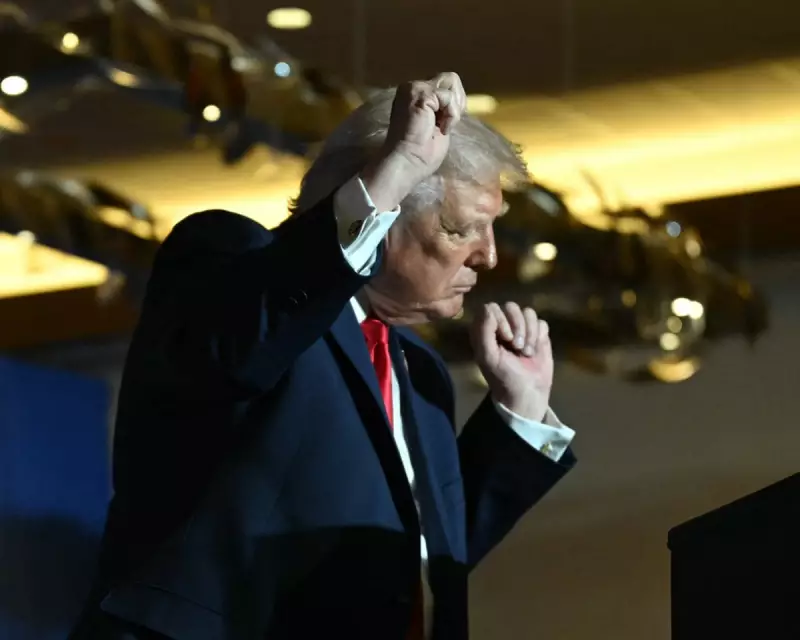
A recent speech by former US President Donald Trump has sparked renewed debate among medical professionals about the ethics of commenting on the mental fitness of public figures.
Pennsylvania Speech Fuels Speculation
The controversy was ignited by Donald Trump's rally-style speech in Pennsylvania on 9 December. His presentation, described by observers as rambling, led to widespread public speculation about his competence. This event has forced a re-examination of the long-standing 'Goldwater rule' in psychiatry.
Armchair Diagnosis vs. Legitimate Observation
In a letter to the Guardian, physician and health policy expert Robert Krasner emphasised a crucial distinction often missed in the current discourse. He argues that the Goldwater rule, established by the American Psychiatric Association, was designed to prevent irresponsible 'armchair diagnosis' based on hearsay.
However, Krasner points to a key clarification made in October 2024 by Dr Allen Dyer, a psychiatrist involved in crafting the original rule. Dyer stated the rule was never meant to act as an absolute gag order. It does not, therefore, forbid responsible discussion of observable public behaviours, especially when a figure voluntarily displays them on a national stage.
Medical Expertise and the Public Good
The core of Krasner's argument is that medical expertise should inform public discourse. When behaviour with potential implications for national welfare is publicly exhibited and thoroughly documented, discussing it within ethical boundaries is not unprofessional. He contends it is, in fact, a contribution to the nation's understanding.
The debate centres on where to draw the line. The medical community remains divided between upholding strict silence to protect the profession's integrity and a duty to comment when a public figure's observable conduct raises legitimate concerns.