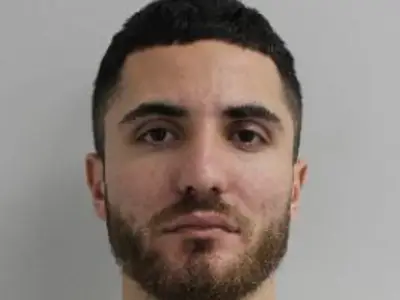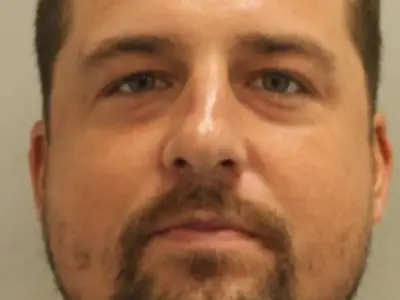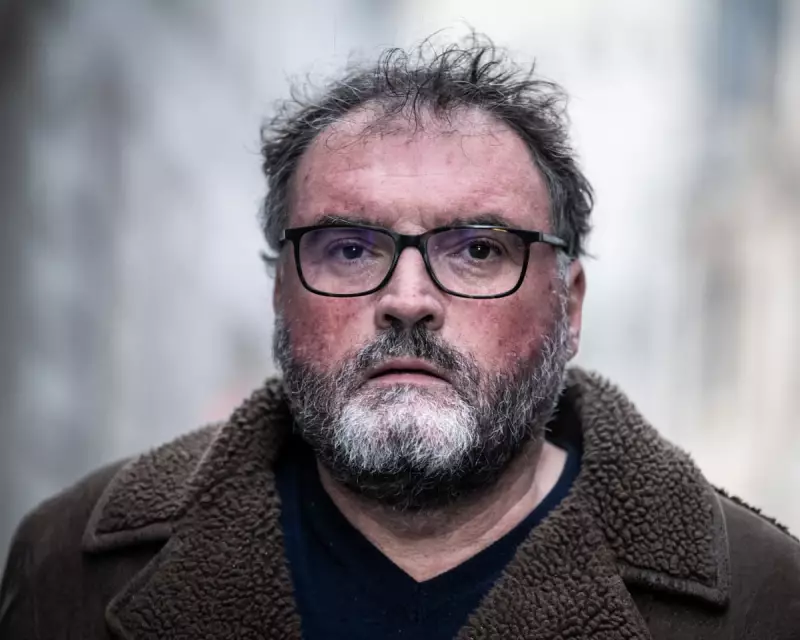
A French anaesthetist labelled "Dr Death" by prosecutors has been handed a life sentence after being found guilty of deliberately poisoning 30 patients, 12 of whom died, over a near-decade-long period.
A 'Twisted' Serial Killer in the Operating Theatre
Frédéric Péchier, 53, once considered a leading figure in his field, was convicted on Thursday in a case that state prosecutors described as one of the most severe in French legal history. The court heard he tampered with paracetamol bags and anaesthesia pouches, inducing fatal heart attacks in his victims, who ranged from a four-year-old child to an 89-year-old.
State prosecutor Christine de Curraize branded Péchier a "highly twisted" serial killer, while her colleague Thérèse Brunisso stated he was "not a doctor but a criminal who used medicine to kill". The three-month trial in Besançon, eastern France, sought to unravel the motives behind the poisonings at two private clinics between 2008 and 2017.
Motives of a 'Dr Death': Ego, Rivalry and Power
The prosecution outlined a chilling pattern of behaviour. In some instances, Péchier was said to have poisoned patients only to later intervene and resuscitate them, casting himself as a hero. More often, his actions were aimed at discrediting medical colleagues with whom he was in competition, by targeting their patients to make them appear incompetent.
"He had a need for power," said Curraize, adding that killing had become "a way of life" for Péchier, a means of dealing with personal frustration. Brunisso explained the crimes had a dual aim: "the physical death of the patient" and "the slow and insidious psychological attack on his colleagues".
Throughout the trial, Péchier maintained his innocence, declaring, "I have never poisoned anyone… I am not a poisoner." Victims' lawyers, however, described him as emotionless and devoid of empathy in court.
The Lasting Trauma of the Victims
The human cost of Péchier's actions was laid bare in emotional testimonies. The youngest victim, a boy named Tedy, was just four years old when he suffered two cardiac arrests during a routine tonsil operation in 2016. Now 14, he said in a statement read by his father: "I understand that, when I was only four, someone used me and my life to create problems." He described lasting effects, including taking longer to write than his classmates.
His father, Hervé Hoerter Tarby, told the court the family felt "betrayed" by the medical profession. "What happened to us is a nightmare," he said, accusing Péchier of using his son as an object to "settle scores" between doctors.
Another survivor, Sandra Simard, was 36 when her heart stopped during a back operation in 2017 after her anaesthesia pouch was tampered with. She now lives with chronic pain, using a walking stick and describing her body as that of "an old person".
Lawyer Morgane Richard, representing several victims, told the jury Péchier had used patients as "cannon-fodder, as weapons" against his fellow doctors, who were left bewildered by the unexplained crises.
The investigation examined more than 70 reports of "serious adverse events" linked to Péchier. The former medic, who comes from a privileged background and is the son of an anaesthetist, has ten days to appeal against the life sentence.