The Dual Life of a Food Writer
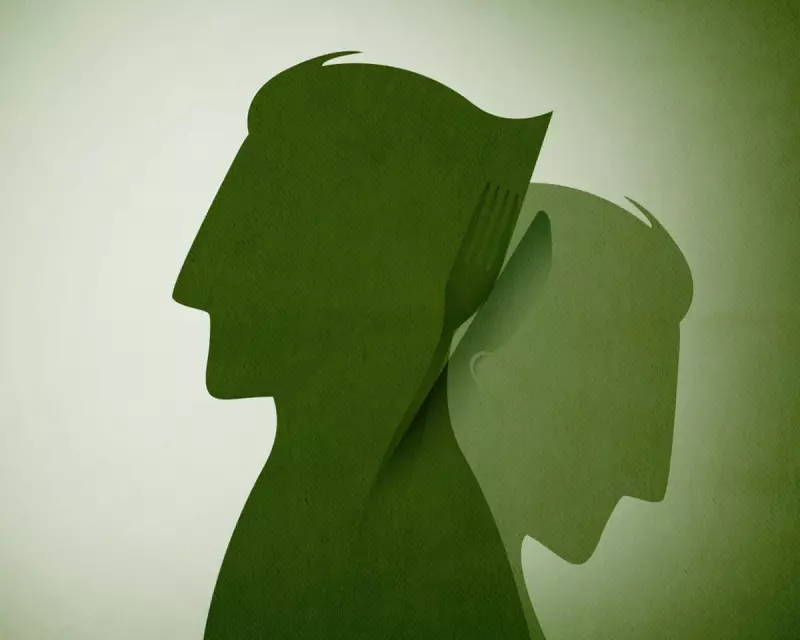
For one food writer, the very substance of her livelihood is also the source of her deepest internal conflict. Publicly, she celebrates food with a passion that fuels her career. Privately, she wages a constant war against binge-eating disorder, a condition where the act of consumption can feel like it is consuming her in return.
A Lifelong Relationship with Emotional Eating
Growing up in an Italian family where food was the primary language of love, her emotional connection to eating was established early. Food was the gateway to cherished memories, from her grandmother's lasagne at Easter to festive zeppole at Christmas. Yet, it was also a comfort during traumatic events, such as the liquorice allsorts she ate after her infant brother choked and was rushed to hospital. Emotional eating has always been so normal for me, she reflects.
This pattern began in childhood, with secretive habits like smuggling chocolates into the bathroom to eat them alone. Her relationship with food escalated during her final school year, marked by drastic weight gain followed by severe restriction and excessive exercise. This initiated a vicious cycle where any perceived dietary failure would trigger a binge, transforming a momentary pressure valve into a source of profound self-loathing.
When Career and Disorder Collide
The internal 'food noise' – a constant, insatiable monologue about eating – amplified when she began her career as a food writer while studying journalism. Her passion became her profession, but this convergence meant her job and her disordered eating began to feed each other.
During Melbourne's lockdowns, this conflict intensified. Working from home as a full-time food editor, her days were spent writing about restaurants pivoting to takeaway, while her nights were spent bingeing on that very same food. Social events and industry dinners became major triggers, leading to a desperate cycle of anxiety, alcohol, and joyless bingeing that culminated in a violent physical reaction, bursting blood vessels in her eyes.
Breaking the Cycle and Finding a Path Forward
The writer emphasises that the brutality of binge-eating disorder is compounded by the shameful secrecy that surrounds it. Feeling increasingly isolated, she reached out for help, contacting the Butterfly Foundation, which specialises in eating disorders. She was diagnosed and received treatment, though initial strategies like food journaling sometimes felt like another form of fixation.
Her most significant breakthrough came when she made the drastic decision to quit her job. Taking three months off provided a crucial circuit-breaker, allowing her to build balanced habits. By focusing on eating three meals and two snacks a day – a simple yet game-changing strategy suggested by her clinician – she found a sustainable way to prevent binges.
Returning to work as a freelancer, she has managed to loosen the disorder's chokehold. She is now learning to reconcile her career with her condition, not by eradicating the obsession, but by seeking to understand and harness it. Her key realisation is that shame thrives in the shadows, and the act of speaking publicly about her experience is a powerful step towards healing.
In Australia, the Butterfly Foundation offers free and confidential support for eating disorders on 1800 33 4673. In the US, help is available at nationaleatingdisorders.org or by calling ANAD’s helpline on 800-375-7767. Other international helplines can be found at Eating Disorder Hope.