Recognising Burnout: When Your Body and Mind Say Stop
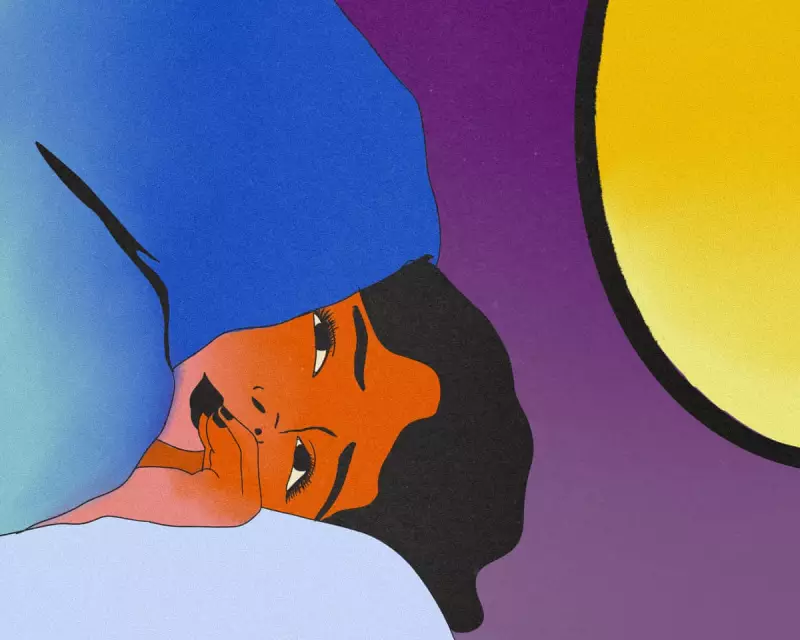
What happens when you reach a hard stop? When work becomes overwhelming, friendships feel draining, and continuing with life as it is seems impossible? For Emma Gannon, a London-based author of fiction, nonfiction, and the Hyphen newsletter, the answer was radical yet essential: a year of doing nothing, or as close to it as possible. Gannon experienced a dramatic burnout in late 2022, marked by her first-ever panic attack during a spa weekend with a friend.
She notes the irony of having "a mental breakdown at a luxury hotel", but the intense fight-or-flight response demanded extreme measures. After receiving diagnoses of anxiety and burnout, Gannon pared back her life to the bare minimum, spending twelve months in recuperation. With hindsight, she identifies a pattern of people-pleasing as the trigger, leading her off-track. In her new book, A Year of Nothing, Gannon reflects on the lessons from this transformative period, learning to rest, build resilience, and reconnect with what truly matters.
Listening to Your Body's Warning Signs
When burnout struck, Gannon was enjoying career success and strong relationships, with no apparent warning. "It really caught me by surprise," she admits. However, looking back, signs were evident. On a summer holiday, she found herself glued to her phone, doomscrolling and unable to relax. Back home, she felt reluctant to see close friends, even on New Year's Eve, and was disproportionately angered by fireworks. Physical symptoms included aching eyes, a body that felt like a "big, heavy lump", and thinning hair.
After the initial panic attack, Gannon began experiencing regular attacks and feelings of dissociation, forcing her to confront her exhaustion. "We all have a performative identity that we put on every morning – that side of me had been running the show," she says. "This very small voice inside me was saying: 'This is not the life you want, and we're going to shut this down.'"
Paring Back to Essentials and Financial Realignment
Following her diagnosis, Gannon cancelled all non-essential commitments, including quitting a successful six-year podcast and withdrawing from a childhood friend's wedding. She acknowledges that stepping back was a privilege, enabled by financial stability and career control, but it also reshaped her attitude toward money and necessary spending. One day, her only activity was walking to the supermarket, buying a bunch of daffodils for £1, and returning home. "When you're going through this, make everything very small," she advises. "There will be a time when you can be big again."
For those unable to take extended time off, Gannon suggests reducing expenses and building a savings buffer to expand options, such as transitioning to part-time work or seeking new employment. "What can you do in life to lower your overheads? Even now, I don't want to spend money on clothes, because I'd rather save so I can do nothing a bit longer."
Embracing Sobriety and Self-Nourishment
Gannon stopped drinking alcohol after realising she used it to numb her unhappiness and unresolved issues. She describes drinking as casting a "chemical blanket" over her problems, masking both social pleasures and deeper discontent. "There's nothing wrong with a glass of wine, but if you feel like you're blocking things out, I think not drinking for a bit is a good place to start," she says. Beyond avoiding alcohol's depressive effects, it's about "learning to take care of yourself".
Nourishment became a cornerstone of her recovery. "Would you invite your friend round and just give them a packet of Pringles for dinner? Probably not, because you love them ... You'd make them a really nice soup, and buy the best bread – so do that for yourself."
Reconnecting with Emotions Through Music and Friendship
After being in survival mode, Gannon struggled to connect with her emotions. Music, particularly listening to Max Richter during long walks, helped her "feel all my feelings, for the first time in ages". She recommends creating a playlist of melancholy or meaningful songs to coax out suppressed emotions. "You're creating space to be nostalgic, and get back in touch with the side of you that you've essentially lost track of." For those finding it hard to cry, a playlist "puts brackets around it", offering a courageous space to avoid blocking emotions.
Burnout provided unexpected clarity on friendships, with some connections fading without alcohol as a social lubricant. The most valued friends were those who accepted her as she was – in sweatpants, with unwashed hair – and could simply "be" with her. One friend visited and watched both Sister Act films in near-silence, which Gannon recalls as "amazing". This non-judgmental presence offered ambient support, contrasting with attempts to fix her, and left her "really certain who my friends were".
Rediscovering Past Passions and Seeking New Perspectives
During her year of nothing, Gannon revisited her family home and teenage haunts, reconnecting with youthful hopes and abandoned hobbies. She now keeps childhood books on her office shelves and displays personal trinkets by her bed to remind herself of her aspirations. "I like to open my eyes and be reminded of what I want to do with my life," she says. Attending a concert by Incubus, a band she loved as a teenager, highlighted how "that 15-year-old is still there, and you can connect with her whenever you want".
Even when immersing in nature felt too daunting, a change of scenery proved beneficial. Gannon suggests seeking out local water, parks, or hills to "get some height" and gain a refreshing perspective. This aligns with research on awe's impact on mental wellbeing, as it "does something to the brain and makes you think things are possible, if you feel hemmed in". Even in dense cities, green pockets offer respite, a fact she notes we often forget.
Exploring Movement, Touch, and Ongoing Self-Check-Ins
Gannon, who describes herself as "quite woo-woo", explored alternative therapies like reflexology during recovery. While experiences vary, gentle exercise, yoga, or massage can help quiet the mind, release emotions, and reconnect with the body. Though not a yoga enthusiast, Gannon has had emotional breakthroughs during massages, attributing them to practitioner kindness, human touch, the placebo effect, or simply pausing.
Now past her burnout, Gannon feels more resilient and attuned to energy depletion signs. She emphasises that since complete protection against burnout isn't always possible, recognising individual physical and psychological tells is half the battle. "Every week or so, I do a little check-in: 'How are you feeling? What's going on?' – kind of talking to myself like a friend – because you can lose track." Her journey underscores that recovery involves listening deeply, simplifying, and re-engaging with what brings joy and meaning.