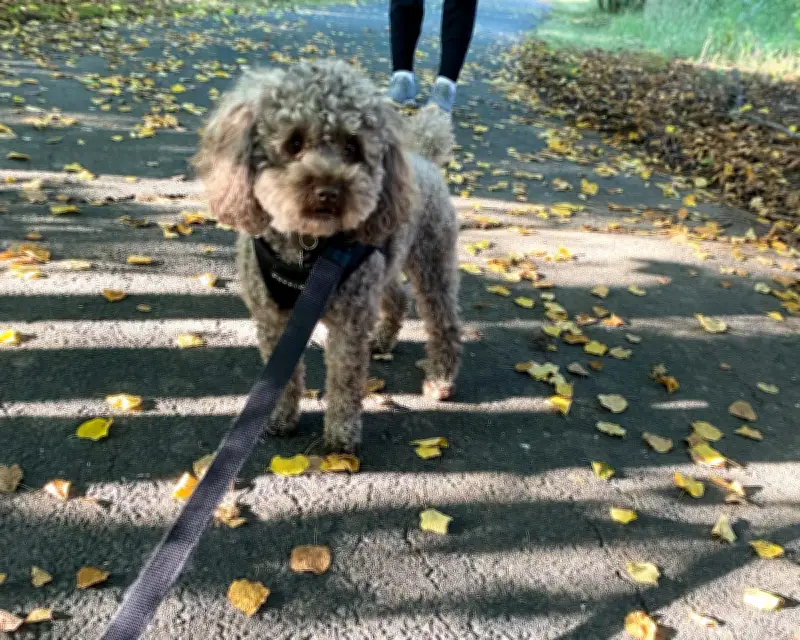
Many dog owners, including the author, are walking their dogs improperly, according to experts. Dr Candace Croney, director of Purdue University’s Center for Animal Welfare Science, and professional dog trainer Jas Kelem, offer guidance on how to improve walks for both dogs and their owners.
Common Mistakes in Dog Walking
Dr Croney highlights a frequent error: “People actually put a lot of pressure on their dog’s necks. That really is not good for them.” Instead, she recommends “loose leash walking,” where neither the owner nor the dog pulls on the lead.
Owners often rush their dogs past sniffing opportunities, but Croney advises against yanking the dog away from exploring, especially when the walk’s purpose is mental stimulation. “Those walks are some of the most important opportunities they get to understand who’s in the neighborhood,” she explains. “The world of smell is probably so vibrant to them that they have to stop and check things out constantly.”

Setting a Purpose for Each Walk
Before leaving the house, Croney suggests identifying the walk’s purpose, whether it’s exercise, mental stimulation, or a quick bathroom break. This goal should consider the dog’s needs, not just the owner’s expectations. “We sometimes take them for walks having expectations of what we want to happen, and we don’t think about what’s happening on the other end of the leash,” she says.
Quality Over Quantity
Kelem emphasizes that the quality of the walk matters more than its length or frequency. “I would suggest dog owners pay attention to how fulfilling the walk is rather than length or frequency,” he advises. Croney agrees, noting that “it really depends on your dog and the individual dog’s needs for exercise and for mental stimulation.”
Packing Rewards for Good Behavior
Croney recommends carrying “high-value treats that you reserve only for unexpected or hard, challenging situations your dogs are going to encounter.” Kelem adds that owners should “carry food or treats on walks and reward your dog for good behavior before they’ve done something wrong.”
These expert tips come as part of a comprehensive guide to keeping dogs engaged and fulfilled, which also includes product recommendations such as the Hartz DuraPlay Bacon Scented Dog Toys (from $4.50) and the Kong Flyer (from $14).