
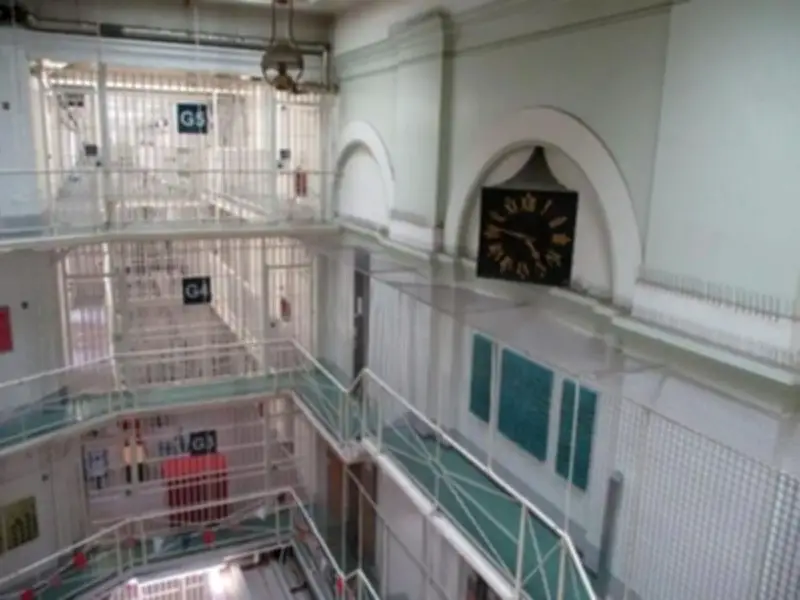
Moses Hailemichel, 20, died on March 3, 2025, just six days after completing his second stint at HMP Pentonville. An investigation by the Prisons and Probation Ombudsman has concluded that a sentencing backlog and communication failures between the prison and probation service contributed to his death.
Release amid paranoia and missed warnings
On the day of his release, Mr Hailemichel was in a state of paranoia and had refused to take his psychiatric medication or sign his release paperwork. He had been remanded to the North London prison just over a month earlier for possession of a knife in public.
The ombudsman's investigation found that while in custody he did not show signs of being a suicide risk. However, the watchdog ruled that a sentencing backlog and communication failures left him without an officer managing his release, despite his documented mental health problems.
Communication breakdowns and missed opportunities
Knowledge gaps arose between prison and probation services by the time he was released. His probation officer failed to disclose important information about his release address and the fact that he was under the care of social services. Meanwhile, his social worker had no knowledge that he was in prison.
Mr Hailemichel, an Eritrean national who spoke limited English and had a history of mental and behavioural problems due to cannabinoid use, was classed as of medium risk to others. He was described as "aggressive and intimidating" towards nurses who tried to assess his mental health.
Neither prison nor healthcare staff knew he was a care leaver or had been allocated a social worker, and while in jail he was never assigned an interpreter. The watchdog ruled that this "likely affected Mr Hailemichel’s ability and willingness to engage" and that an interpreter would have ensured he understood and could communicate more effectively with staff.
Two stints in prison and delayed sentencing
Mr Hailemichel was initially released on February 10 but was recalled to HMP Pentonville soon after for not attending his first probation appointment. During his second stint, he remained reluctant to engage and exhibited "challenging" behaviour, though he had not harmed himself or expressed suicidal thoughts.
Staff determined he would be released on February 25, but a senior probation officer told the watchdog there had been sentencing calculation delays due to a backlog of cases. This led to Mr Hailemichel going without a Prison Offender Manager (POM) for each of his stints, breaching HM Prison and Probation Service (HMPPS) guidelines. An alternative was discussed to admit him to the prison's healthcare ward, but he was never transferred.
His assigned probation officer said he would refer Mr Hailemichel to Crisis after his first probation appointment upon release, but did not tell the nurse where he would be or that he was under social services' care. The next day, the "paranoid" and "very angry" Mr Hailemichel tried to attack a nurse reviewing his need for inpatient admission. Clinical staff judged that he needed planned intervention to safeguard him from harming himself and others.
Failed follow-up and subsequent death
After his release on February 25, a mental health practitioner at HMP Pentonville referred him to the community mental health team by email but received an automated out-of-office message suggesting phone contact for urgent matters. No phone call was made.
Mr Hailemichel did not attend his scheduled probation meeting. On March 3, police were alerted for a welfare check at his accommodation and discovered he had taken his own life. His social worker informed the probation officer of this two weeks later, but the information was never uploaded to the service's case management system.
The case reviewer concluded that the prison's release team should have phoned community mental health services as soon as they received the out-of-office email.
Ombudsman's recommendations and prison response
Adrian Usher, Prisons and Probation Ombudsman, made several recommendations, including that the prison's healthcare boss ensure interpreters are arranged for patients whose records suggest they need one. He also recommended a "collaborative" policy to support pre-release planning for sentences shorter than 12 weeks, and that urgent concerns about prison leavers be completed where possible.
HMP Pentonville said it had cleared the backlog and recruited more staff to the Offender Management Unit. "While the delay in Mr Hailemichel’s sentence calculation resulted in him not being allocated a POM, we recognise that Pentonville are addressing this issue," Mr Usher said.
HMP Pentonville said it had acted on the report's findings, including ensuring probation practitioners share safeguarding information with prison and healthcare staff about whether a prisoner is known to social care services. The prison's interpreter arrangement for inmates is already in place.
A Prison Service spokesperson said: "We have fully accepted the Prisons and Probation Ombudsman’s recommendations and are taking action to address the issues identified in the report."
Mr Hailemichel was the first of two former inmates who took their own lives within two weeks of their release from Pentonville since October 2023. The watchdog noted that the second man, unnamed, was also set free without being referred to community mental health services. His death in March 2025 preceded a damning report into the prison's conditions, published in July that year, which found many inmates had been kept there after they should have been freed because staff failed to calculate sentences accurately.




