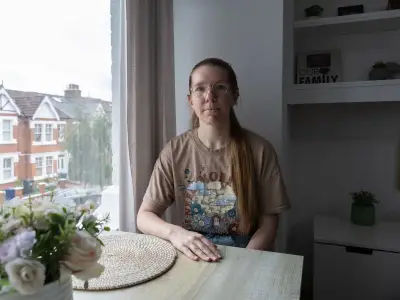
Angie Wild, a 64-year-old dementia adviser at the Alzheimer’s Society, has witnessed the disease ravage her family, yet she holds onto hope that a cure will one day be found. Her grandmother, Hettie, died from dementia in 1987, and since then, her mother Dorothy, uncle Hadrian, aunt Edith, and aunt-in-law Pat have all been diagnosed with various forms of the disease. Despite this devastating pattern, Angie remains positive, focusing on the support available and the importance of living in the moment.
A Family Marked by Dementia
Angie’s family was always close. After her parents divorced, she and her two sisters spent summers at their nan Hettie’s house in Bournemouth, enjoying ice creams and building sandcastles. When Hettie moved to a flat near them in Tameside, she was happy and independent for years until subtle changes began. She started putting an electric kettle on a gas hob and forgetting her keys. Angie’s mother, Dorothy, then moved Hettie in with them, where they watched as dementia transformed their kind, fun-loving grandmother into someone angry and confused.
Hettie’s death in 1987 was just the beginning. Her three children—Dorothy, Hadrian, and Edith—each received dementia diagnoses. Hadrian’s wife Pat also died from the disease, as did Dorothy’s best friend. “It is heartbreaking to see it happen over and over again,” Angie told Metro.
Watching Loved Ones Decline
Pat was the first to show symptoms, which emerged after complications from dental surgery led to a brain infection. The family made the difficult decision to move her into sheltered accommodation. Then Hadrian began wandering, prompting his cousins to worry for his safety. “He was a very social person who loved life and loved going out, so it was a huge decision to move Uncle Hadrian into a care home,” Angie remembered.
Next, Auntie Edith, who had been alone since her husband died of cancer in his fifties, started forgetting things. “She was a dancing queen. She loved going out and getting dressed up. When she was diagnosed with vascular dementia, things became very difficult. It was terrible. She was soiling herself and would become quite angry and upset,” Angie recalled. Edith also moved into a care home, leaving the family heartbroken once more.
Angie took her mother Dorothy to visit Edith, but it was distressing. “She couldn’t walk any more. She was bent over. It was really distressing. Mum said as we left: ‘I hope I don’t get like that.’” Tragically, Dorothy’s own symptoms soon emerged, and two years ago she was diagnosed with mixed dementia.
The Last Conversation
At the memory clinic in Tameside, Dorothy was told she had dementia. Her response was resigned: “Well, that’s that then.” Angie, trying to soften the blow, said, “Oh well, we all have memory problems at times.” Since then, the family has chosen not to discuss the diagnosis with Dorothy, believing it’s best for her happiness. “That was the decision the family made to keep her happy. So that was the last time we spoke about it,” Angie said.
Dorothy sometimes asks about her siblings or her own mother. “We just say: ‘Oh, they’ve popped to the shops.’ You just don’t want someone to go through that grief and upset again,” Angie explained.
Finding Purpose as a Dementia Adviser
Currently, Dorothy is happy, cared for at home by her husband, with family visiting daily. Angie takes her out on weekends, and Dorothy enjoys singing, music, and dementia groups. “Mum does lots of activities. She goes to singing, music and dementia groups. She loves it. But you can see the deterioration, and that’s really difficult,” Angie said.
Three years ago, Angie channeled her experience into her role as a dementia adviser at the Alzheimer’s Society, after 38 years working for Tameside Metropolitan Borough Council, many of them with older people. She is often the first point of contact for people after a diagnosis, helping them come to terms with the frightening news. “It can be tough sometimes because I am advising people on things I am going through with my own family,” she admitted.
People frequently ask her how the disease will progress or if it can be stopped. “Unfortunately, we can’t. But we can help connect people with support,” she said. Psychosocial interventions, including therapies and social groups, are among the best ways to support those living with dementia, improving wellbeing and providing connections.
Practical Advice and Hope
Angie advises families to arrange wills and lasting powers of attorney early, and to set out personal wishes. She recalled one lady who requested a gin and tonic every night at eight, ginger nut biscuits, and her makeup done. “Well, why not? That person should have their wishes respected,” Angie said.
Despite the genetic risk, Angie doesn’t worry about developing dementia herself. “I don’t worry about it because you can’t. Whatever life is going to throw at you, you just have to take,” she explained. She stays active, works full-time, and has raised an astonishing £258,000 over 12 years for local causes, hospices, and cancer charities, including £20,000 for the Alzheimer’s Society.
Angie’s message is one of hope: “It is a terminal illness, but I do believe there will be a cure. Maybe not in our lifetime – but one day.” She emphasizes the importance of how we treat those with dementia. “There is nothing better than walking into the care home and seeing my mum’s smiling face. She is a different person now and, yes, it can be draining, but there is support out there.”