
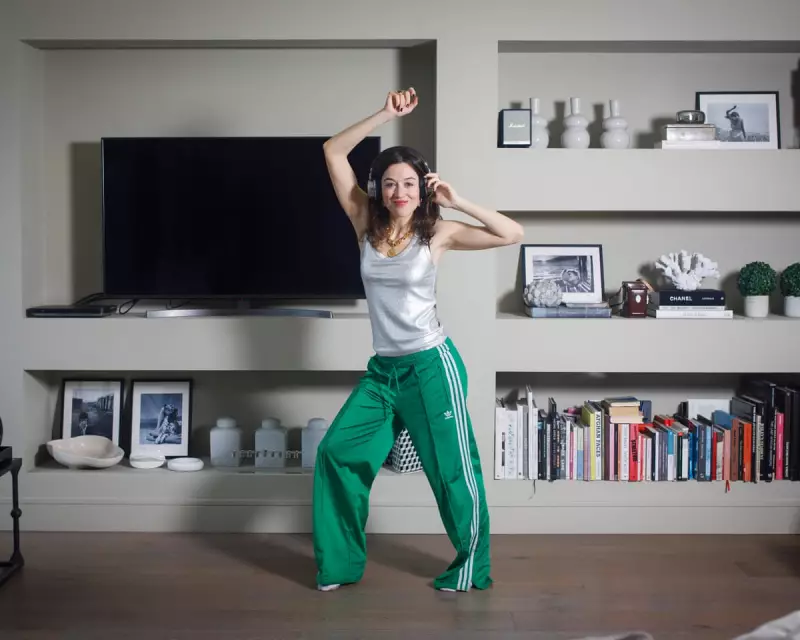
For many, the physical symptoms of anxiety – a racing heart, trembling fingers, and a quivering breath – can feel overwhelming. One writer discovered a surprisingly simple and cost-free solution right in her own kitchen: dancing it out.
The Happy Accident That Sparked a Change
The first time it happened was entirely unplanned. After a difficult conversation with an ex-partner, the familiar physical signs of anxiety took hold. Seeking a quick fix, she turned up the volume on her kitchen radio, tuned to BBC Radio 6 Music. An unfamiliar disco track with a steady beat, tambourines, synths, and drums began to play.
Without thinking, her body started to move. Limbs swung, feet tapped, and hips wiggled. She leaned into the feeling, becoming more animated with the next upbeat 70s track. "It was all very silly," she admits. Yet, by the third song, her anxiety had completely melted away, replaced by a smile and a sense of being herself again.
Transforming Anxious Energy into Movement
While she confesses she cannot dance and is the subject of friendly mockery for her lack of rhythm, she has always enjoyed it. This incident revealed a new purpose. For her, anxiety manifests as an excess of nervous energy, often triggered by everyday stressors from work emails to minor social misunderstandings.
Unlike other, less healthy crutches like sugar and cigarettes, or less accessible ones like exercise, dancing is always available. The technique works by taking that frenetic, anxious energy and channelling it directly into movement. The music helps transform the feeling that makes her body shake with nerves into a physical release. She notes that the worse the dance move, the better, as it often leads to laughter at herself, further dispelling the anxiety.
The Rules for 'Dancing It Out' Successfully
This personal remedy, however, comes with a few specific rules to ensure its effectiveness. The song must be unfamiliar, as any pre-existing association or memory attached to a known track can prevent her from getting out of her own head.
Privacy is also key. She has yet to find a "dance it out" partner, so for now, it is a solitary practice. For obvious reasons, this tends to work best at home, creating a safe and judgment-free space to move freely.
This simple, fun trick has become a game-changer. Now, when anxious feelings arise, she knows how to handle them, or at the very least, how to make herself smile again – a tool far more powerful than it might seem. And if you happen to spot someone awkwardly wriggling on the Tube, she has one request: let her be. She's just dancing it out.




