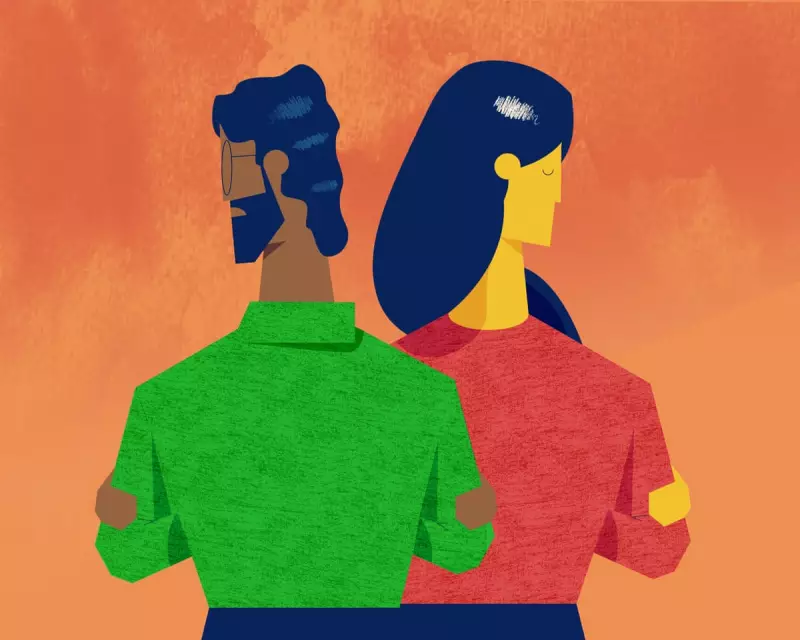
A couple in their early thirties, together for five years, are facing a profound relationship crisis after spending three of those years in a long-distance arrangement. Despite now living under the same roof again, they report feeling more like strangers than partners, with demanding work schedules continuing to keep them apart.
The Strain of Separation and Drifting Apart
The pair, both professionals, endured significant work pressures during their time apart. One faced important exams while the other struggled to establish their career. Over the past year, their bond has become severely strained, leading to a sense that they have grown apart. They describe missing the easy companionship, love, and shared adventure that once defined their partnership, which now feels absent.
While both are keen to resolve their issues, they feel unclear on how to move forward together. The central, painful question they face is whether the relationship has simply run its natural course, or if the challenges of separation have created a rift that can be healed.
Expert Insight: The Psychology of Long-Distance Strain
Psychoanalytic psychotherapist and relationship expert Susanna Abse, author of 'Tell Me The Truth About Love', was consulted for her professional analysis. She immediately highlighted the inherent difficulty of long-distance relationships.
"Unless people have a strong emotional need to keep their sense of separateness and autonomy," Abse explained, "then separations are usually experienced as painful and disruptive, and over time can lead to a lessening of the attachment bond between a couple."
She drew a parallel with child psychology, noting that adults can react similarly to separations. Longed-for reunions can often end in arguments, as the person left behind may not be ready to reconnect emotionally, and the returning partner is met with disappointment instead of pure joy. Abse suggests this couple may have repressed these feelings and withdrawn rather than confronting them through conflict.
Practical Steps to Rebuild a Connection
To bridge the gap, Abse advises the couple must consciously step back into the relationship. This involves acknowledging its importance and openly exploring how the prolonged separations truly affected each of them. She speculates that work may have become a refuge for both, which is not conducive to maintaining a close, committed partnership.
A key recommendation from the expert is for the couple to take a holiday together. Creating neutral, dedicated space away from daily pressures could help them rediscover what underlies their current disconnect and assess what remains of their foundational bond. It might reveal unspoken 'decisions' to deprioritise the relationship.
Furthermore, engaging in couples therapy could be invaluable. A professional can help tease apart their individual desires and goals, and determine whether their future visions are still aligned. The core task is to have an honest, courageous conversation about what they both genuinely want, and whether that future includes each other.