
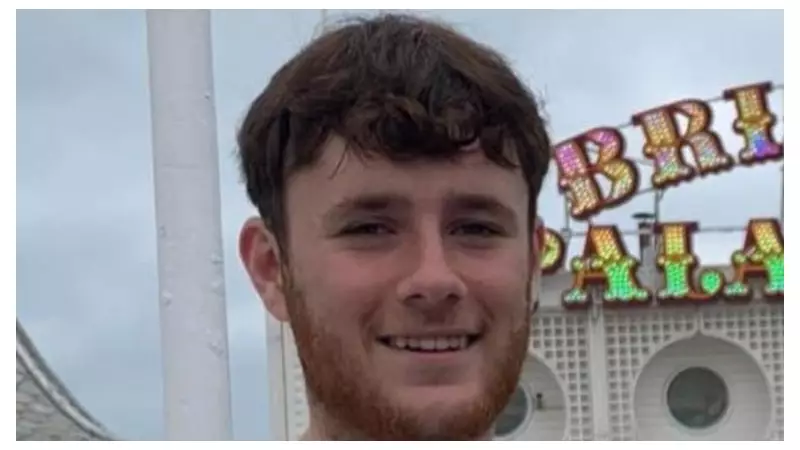
Coroner Identifies 'Missed Opportunity' in Amateur Footballer's Tragic Death from Sepsis
A coroner has ruled that there was a "missed opportunity" to take an amateur footballer to hospital before he died from sepsis and necrotising fasciitis, a rare flesh-eating infection. Sophie Lomas, the coroner, stated that while it is unclear if earlier treatment would have altered the outcome, critical failures in care were evident.
Timeline of Events Leading to Luke Abrahams' Death
Luke Abrahams, a 20-year-old from Northampton, returned home from a Sunday football match in January 2023 complaining of a sore throat. He was prescribed antibiotics for tonsillitis, but his condition rapidly deteriorated later that week with severe leg pain. An ambulance was called, and paramedics diagnosed him with sciatica, despite multiple alarming symptoms:
- Pain level scored nine out of ten
- Raised heart rate
- Dark-coloured urine
- High blood sugar levels
Susan Jevons, head of patient safety at East Midlands Ambulance Service, testified that the crew failed to properly consider infection, ignoring these "red flags". Two days later, Luke was finally taken to hospital by ambulance, where a consultant in emergency medicine described him as "catastrophically unwell" with multiple organ failure.
Medical Details and Systemic Failures
The inquest at Northampton's Guildhall heard that Luke's only chance of survival was a leg amputation, but he suffered a cardiac arrest after surgery and died on 23 January 2023. His death was initially recorded as natural causes, but his parents, Richard Abrahams and Julie Needham, pushed for an inquest, seeking "justice and accountability".
In her written report, Coroner Sophie Lomas confirmed Luke died from Lemierre syndrome, a severe bacterial infection that presented as a sore throat and progressed to septic emboli, leading to necrotising fasciitis. Ms. Needham expressed concern over the "lack of continuity of care" in the seven days before his death, involving multiple NHS bodies including GPs, NHS 111, and hospital doctors.
Apologies and Calls for Change
Keeley Sheldon, director of quality at East Midlands Ambulance Service Trust, apologised deeply, stating: "We failed to provide the level of care he deserved." She acknowledged an investigation was completed in 2023 and shared with the family, with the trust fully accepting the coroner's findings and pledging to review them to prevent future incidents.
Following the inquest, a prevention of future deaths report will recommend changes to the NHS website, which currently inaccurately states necrotising fasciitis is caused by external wounds. Dr. Nicholas Price, an infectious diseases expert, explained that in Luke's case, bacteria entered his tonsils, causing infected blood clots to spread. He noted that this condition has a mortality rate of 15-20% even with optimal treatment, emphasising that "hours make a difference" in outcomes.
Family's Heartfelt Tributes and Campaign for Awareness
Luke's mother described him as a "happy, loving person" with a big personality, who enjoyed creating a local men's football team. His father, Richard, highlighted the fatal consequences of NHS mistakes, saying: "Lives are lost. Families are destroyed." He vowed to continue campaigning for improved awareness of rare conditions to spare other families similar pain.
This case underscores ongoing challenges in the NHS regarding timely diagnosis and care coordination, with the family's efforts aiming to drive meaningful learning and systemic improvements in healthcare protocols.




