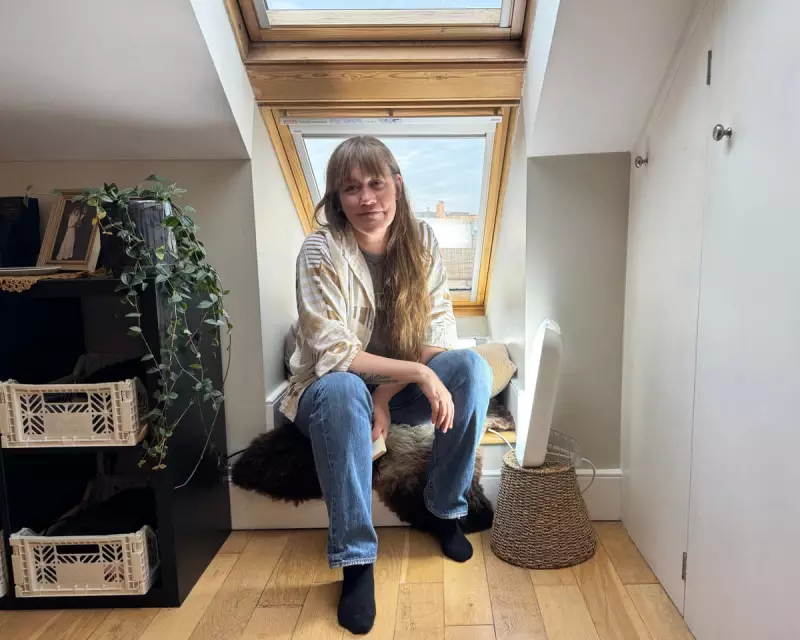
For journalist Jessica Furseth, winter has always felt like a sentence rather than a season. Since her teenage years, she has battled seasonal affective disorder (Sad), a condition that left her feeling exhausted and emotionally drained during the darker months.
The Heavy Weight of Winter Gloom
Furseth describes her experience with Sad as ranging from excessive tiredness and carbohydrate cravings to breaking down crying on the kitchen floor after school because of the cold, dark bleakness. The condition shares symptoms with regular depression, including low mood and lethargy, and can be equally debilitating.
"I'm pretty sure I must be half human, half plant – how else to explain why I need the light to thrive?" Furseth reflects. While she felt fine during brighter seasons, she would start "drooping" as winter approached and light levels diminished.
The Scientific Breakthrough That Changed Everything
After growing tired of losing months of her life to the gloom each winter, Furseth decided to conduct deep research into the science of Sad. Her investigation led her to consult with a serious-faced Finnish scientist who offered specific advice that would prove transformative.
The scientist recommended sitting in front of a light box emitting 10,000 lux for up to an hour, at least five times per week. Crucially, this light therapy needed to occur before 10am to effectively support the body's circadian rhythm. The Finnish expert explained that eight out of ten people experience good results with this method, suggesting starting a couple of weeks before symptoms typically appear.
Transforming Winter Through Morning Light Rituals
Although initially skeptical – having tried Sad lamps and lunchtime walks with limited success – Furseth was desperate enough to follow the instructions precisely. She purchased new bulbs for her decade-old Sad lamps and positioned them on either side of herself in a window seat that received morning sun.
"Last winter I sat myself down there first thing every morning to read a book in the blinding light, coffee in hand," she recalls. The results shocked her. While she still experienced occasional gloomy days, the consistent morning light routine meant she mostly felt like herself throughout winter.
The timing proved crucial because darkness disrupts the circadian rhythms of people with Sad, affecting everything from hormones and hunger to digestion, immune function, alertness, memory, and sleep.
Reclaiming Winter Joy and Energy
The benefits extended far beyond basic functionality. Instead of sinking into afternoon tiredness as daylight faded, Furseth maintained energy to tackle her day. She discovered she could skip occasional mornings without ill effects but found herself drawn to the light therapy because it genuinely brightened her mood, particularly on rainy days.
Most remarkably, the treatment gave her energy to enjoy winter rather than merely endure it. Instead of spending January nights under a blanket on the sofa, she found herself eager to go out for dinners and weekend dancing. For the first time, she could appreciate winter's beauty because she was "awake enough to notice."
As another winter approaches, Furseth has returned to her bright window seat routine, no longer afraid of the dark months ahead. Her experience demonstrates that with the right approach, those suffering from seasonal affective disorder can reclaim their winters and find joy even in the coldest, darkest season.