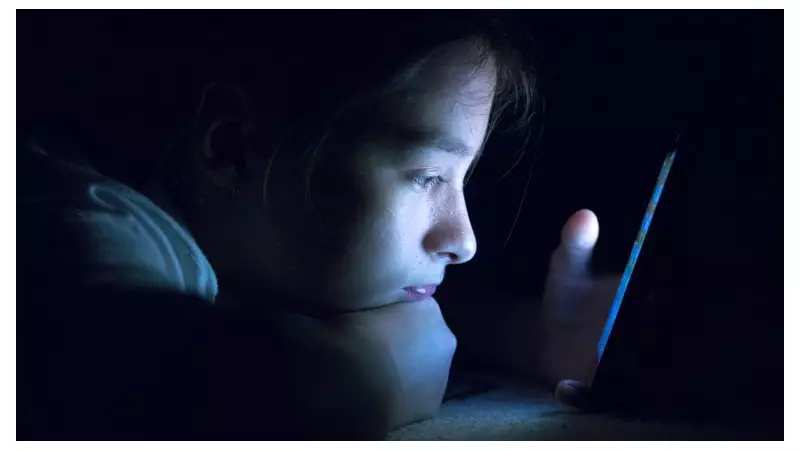
Next Wednesday, Australia will implement one of the globe's most stringent social media bans, prohibiting children under the age of 16 from accessing major platforms including TikTok, Instagram, Facebook, and Snapchat. The landmark legislation, which comes into force on 10 December 2025, has ignited a fierce national debate between those championing child protection and advocates for digital freedom and parental choice.
A Ban Forged in Tragedy
The campaign for this drastic measure is deeply personal for many, most notably lawyer and mother Emma Mason. Her daughter, Matilda 'Tilly' Rosewarne, took her own life on 16 February 2022 at the age of 15 after suffering years of relentless online abuse in their hometown of Bathurst. Ms Mason recounts a specific incident where a fake nude image of Tilly, circulated by a school friend, spread to hundreds of children within hours, leading to her daughter's suicide attempt that same day.
"When Tilly was about 14, a fake nude was sent around by a friend of hers at school in Bathurst," Ms Mason stated. "It spread to about 300 children, then it went to about 1,000 kids and by 6pm she had attempted suicide." Her advocacy has taken her to the United Nations General Assembly in New York, arguing for the urgent need to shield young people from the documented harms of social media.
Preparation and Pushback
Ahead of the ban, technology companies have begun enacting measures. Meta has started locking under-16s out of Instagram and Facebook through age verification checks. Other platforms like YouTube, Reddit, Twitch, and X (formerly Twitter) are contacting underage users, advising them to download their data and choose between deleting or freezing their accounts until they turn 16.
The impact is already being felt by young influencers. In Umina on the New South Wales coast, 14-year-old skateboarders Vespa Eding and Indy Conwell, who use social media to showcase tricks and connect with sponsors, face losing a vital business tool. "I see both sides to it," Indy explained. "It's sad because I'm probably going to lose my account... But I think it's a good idea for people getting bullied or if they're getting addicted to it."
However, the law faces significant opposition. John Riddick, a NSW Parliamentarian and president of the Digital Freedom Project, is backing a High Court challenge. He argues the policy is governmental overreach and ineffective. "Kids are tech savvy. You say 'you can't do this' and you're going to play whack-a-mole; the kids are going to get around it," he said, emphasising that such decisions should rest with parents.
Life After the Apps
With 96% of Australian teenagers under 16 reportedly holding social media accounts, the shift will be profound. Students at Brigidine College in Sydney are preparing for a life off the apps. Fifteen-year-old Elsie Ord, who admits to spending around eight hours daily on social media, signed up using a fake age and is anxious about the change. "I don't know how I'm going to cope," she said.
Psychologist Danielle Einstein, co-author of 'Raising Anxiety', supports the move, highlighting the clear link between anxiety, uncertainty, and social media use. She suggests the ban is an opportunity for teens to strengthen real-world connections. "Now is the time to get contact numbers and to see who your good friends are," Dr Einstein advised.
The Australian government insists the law is essential to protect children from addiction and cyberbullying, and has warned it may expand the list of banned apps. As the nation braces for this unprecedented social experiment, the world watches closely, with many in the UK questioning if similar legislation could be on the horizon.
If you are affected by any of the issues raised in this article, support is available. In the UK, you can call the Samaritans on 116 123 or email jo@samaritans.org. Alternatively, contact Mind on 0300 102 1234 or NHS 111.