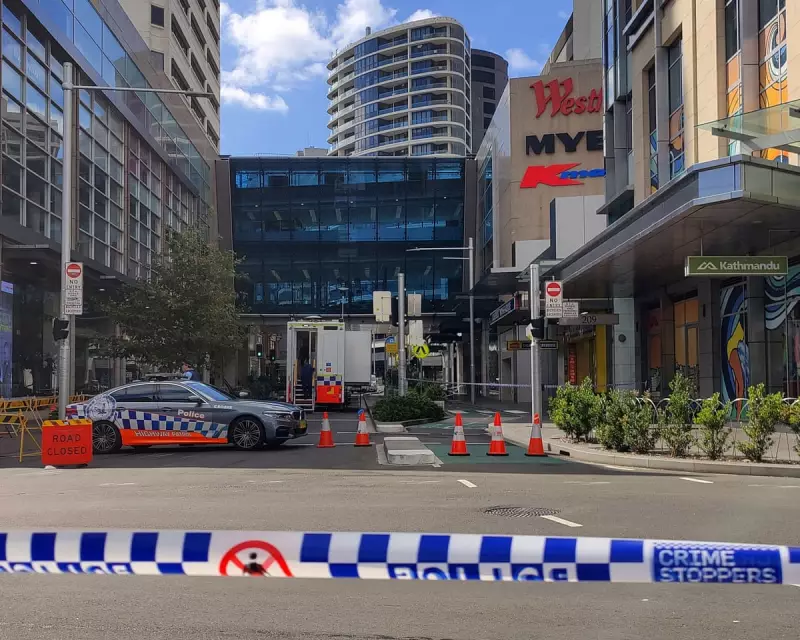
The state coroner of New South Wales is now formally considering a suite of 22 draft recommendations arising from the coronial inquest into the tragic mass stabbings at Westfield Bondi Junction. The proposals, which aim to prevent future tragedies, include granting police permanent powers for warrantless weapon scanning and establishing stricter protocols for managing patients with schizophrenia.
Key Recommendations for Public Safety and Mental Health
The list of draft proposals was released by the NSW Coroner's Court as the official investigation into the deaths of seven people draws to a close. The victims of the 13th April 2024 attack were Ashlee Good, 38, Jade Young, 47, Yixuan Cheng, 27, Pikria Darchia, 55, Dawn Singleton, 25, Faraz Tahir, 30, and the perpetrator, Joel Cauchi, 40.
Senior counsel assisting the coroner, Dr Peggy Dwyer SC, has put forward the recommendations for the state coroner, Teresa O'Sullivan, to review. A central proposal is the creation of a real-time, 24/7 mental health information sharing service for the entire state. This service would support police during crisis responses and help coordinate follow-up care.
Another significant recommendation calls for the statewide expansion of the Pacer model, a multi-agency mental health crisis response currently used in parts of NSW.
Permanent Wanding Powers and Medical Protocol Reforms
Under the banner of "The Knife", Recommendation 17 suggests that a current trial of warrantless police "wanding" should be assessed with a view to making it a permanent power. This could allow officers to use handheld metal detectors to scan people for weapons in designated "crowded places" without a warrant. The attacker, Joel Cauchi, carried out the assault with a hunting knife before being shot and killed by Police Inspector Amy Scott.
In a critical move concerning medical care, the inquest has prompted a call for a "prompt" amendment to the Royal Australian and New Zealand College of Psychiatrists' guidelines. This includes establishing a new, safer protocol for "desubscribing" patients from antipsychotic medication.
The court heard that Cauchi's former psychiatrist, Dr Andrea Boros-Lavack, had weaned him off his schizophrenia medication in her Toowoomba practice back in 2019. A key focus of the inquest was examining Cauchi's risk of psychotic relapse and the process of his discharge into the care of his GP.
Broader Implications and Final Steps
Further recommendations directed at the NSW government include a directive for the housing and mental health minister to model the need for short-term accommodation in Sydney for individuals facing mental health challenges and homelessness.
A single proposal aimed at the Australian Press Council calls for a balance between the public's need for accurate reporting on mass casualty incidents and the potential distress such coverage can cause to victims, their families, and the wider community.
Final submissions for the coronial inquest are scheduled to conclude on Friday, after which the state coroner will deliberate on the final recommendations.