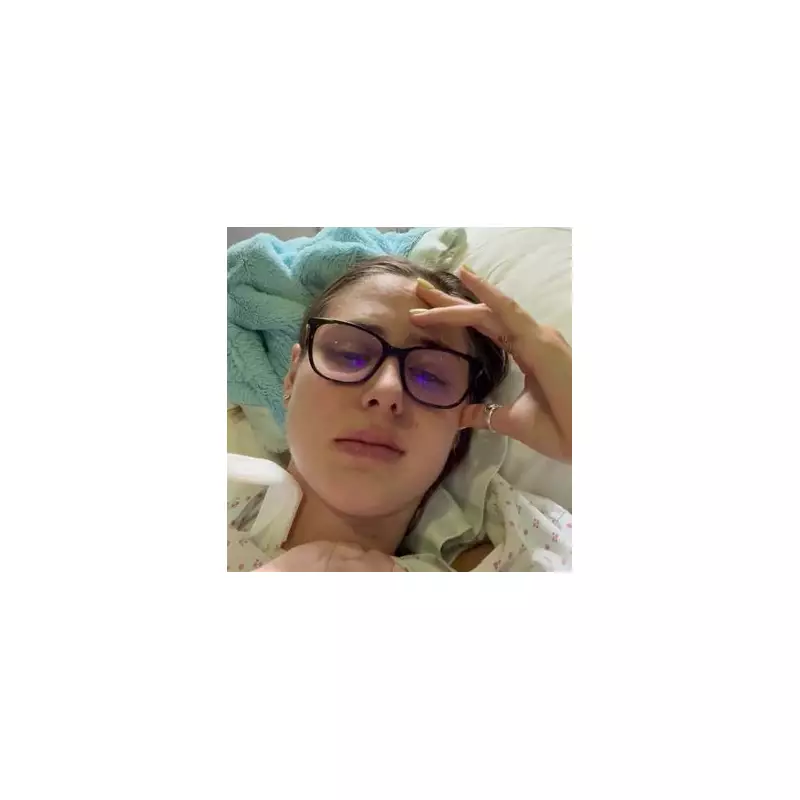
A young woman from London endured a terrifying two-week hospital battle after a common hormone medication triggered a life-threatening rare condition.
A Sudden and Severe Onset
Emily Butler, aged 26, experienced a sudden onset of extreme abdominal pain, nausea, and full-body aches after a night out with friends. The pain rapidly became unbearable, prompting her to call NHS 111, who advised her to go immediately to Accident and Emergency.
"I was in severe pain and somewhat out of it, feeling worried and scared," Emily recalled. Her ordeal in August led to a fortnight-long hospital stay as doctors worked urgently to diagnose the mysterious cause of her symptoms.
The Diagnosis: A Rare Blood Disorder
Emily's medical history provided a crucial clue. Her periods had stopped spontaneously in 2023, returning ten months later only to stop again a year on. To address this, she was prescribed progesterone tablets. Just three days after starting the medication, her alarming symptoms began.
Initial tests, including a CT scan, revealed fluid in her abdomen. While a burst ovarian cyst was suspected, scans ruled this out. The situation became critical when blood tests showed dangerously low sodium levels, requiring an urgent transfer to intensive care for hourly monitoring to prevent seizures.
The diagnosis was confirmed as acute intermittent porphyria (AIP), an inherited disorder causing a deficiency in heme, a molecule vital for transporting oxygen in the blood and muscles. The condition was likely triggered by the progesterone tablets.
Life-Saving Treatment and Ongoing Management
In ICU, Emily was treated with artificial heme arginate to stabilise her sodium levels, manage pain, and restore normal bodily functions. She described the fear of potential outcomes without this intervention: seizures, oxygen dependency, life support, or even a coma.
Discharged on 29 August, Emily is now in stable condition and doctors believe she may never have another acute attack. However, she has made significant lifestyle changes to manage the condition. She has stopped the hormone tablets, eliminated alcohol completely, avoids over-exercising, and actively manages stress.
She also maintains a high-carbohydrate diet, does not smoke, and has reduced her working hours to prevent over-exertion. While her periods have not yet returned, managing her health is the priority.
"The doctor who recognised it as porphyria saved my life," Emily stated gratefully. "He's now writing a scientific journal to educate others. I feel immense relief, positivity and gratitude for him."
Emily now focuses on raising awareness, connecting with others, and trusting her body. "It goes to show how suddenly a healthy life can be disrupted," she added. "This is your reminder to prioritise health and trust your body, because you never know what the next day has to bring."