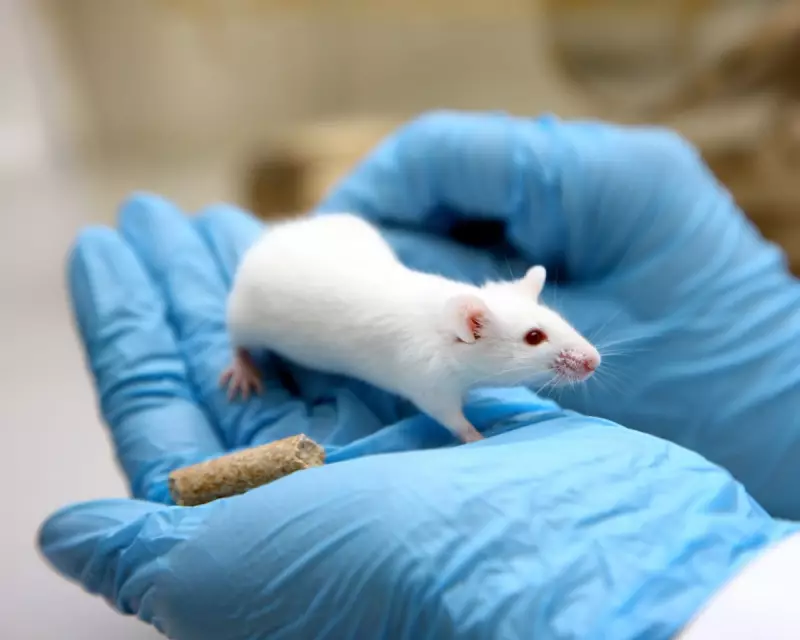
Two prominent UK scientists have issued a robust defence of animal testing in medical research, arguing that complete replacement by alternative methods remains biologically unfeasible for many critical areas of study.
The Scientific Reality of Animal Testing
Dr Robin Lovell-Badge, principal group leader at the Francis Crick Institute and president of the Institute of Animal Technologists, and Professor Emma Robinson from the University of Bristol have responded to calls for rapidly phasing out animal experiments. While supporting the development of alternatives, both experts emphasise that biology's complexity makes immediate replacement unrealistic for discovery science.
Dr Lovell-Badge notes that all UK scientists working with animals adhere to the 3Rs principles: replacement, reduction and refinement. However, he states that we are definitely not ready to abandon research with animals, and for some scientific disciplines, we may never achieve this goal.
The Limitations of Alternative Methods
Professor Robinson highlights a crucial oversight in discussions about New Approach Methodologies (NAMs): most alternative methods still depend on animal-derived products. Organoids and organs-on-chips typically require matrigel, a growing matrix derived from mouse tumours, and foetal bovine serum containing essential growth factors that synthetic alternatives cannot yet replace.
Both scientists agree that while computer analysis and cell studies generate valuable correlative data, proving causation still requires testing in whole living systems. Complex biological areas including brain function, reproductive systems, immune responses, tumour biology, ageing processes and environmental interactions cannot be adequately modelled by current NAMs.
Consequences of Premature Transition
Dr Lovell-Badge warns that pushing alternative strategies too quickly could harm both medical progress and animal welfare. It might demotivate highly trained animal technologists essential for proper animal care and undermine the UK's research competitiveness.
However, he suggests that regulatory testing for toxicity and pharmacokinetics represents an area where adopting NAMs could be accelerated with additional funding and regulatory changes.
Professor Robinson concludes that while increased investment might eventually lead to animal-free technologies, biology's complexity makes complete replacement much harder than anticipated. For continued medical advances addressing complex diseases involving development, ageing and environmental interactions, strictly regulated animal research must continue in the UK.