The World Health Organization is considering whether experimental vaccines or treatments could be deployed to combat the Ebola outbreak in the Democratic Republic of the Congo, as the WHO chief expressed deep concern over the outbreak's speed and scale. Dr Tedros Adhanom Ghebreyesus reported at least 500 suspected cases and 130 suspected deaths since the outbreak began, a sharp increase from the 200 cases and 65 deaths announced on Friday.
The outbreak is caused by the Bundibugyo strain of Ebola, for which no approved vaccine or treatment exists. While vaccines are available for the Zaire strain, experts have determined they cannot be used in the current response. The WHO is convening an emergency committee on Tuesday to advise on control measures, alongside a technical group to evaluate potential tests, vaccines, and treatments.
Challenges in Affected Regions
Most cases have been reported in Ituri province, where a lengthy armed conflict complicates healthcare access. Anne Ancia, WHO representative in the DRC, noted that the outbreak could take longer than two months to control, citing a previous outbreak that lasted two years and killed nearly 2,300 people. She added that the international community is assessing candidate vaccines or treatments that might be useful.
Dr Maria Guevara of Médecins Sans Frontières highlighted that the affected population lacks access to basic healthcare, with routine immunizations hindered by conflict and recent cholera outbreaks. She warned that adding Ebola to the mix overwhelms the system, and communities may not understand the need for protective gear when basic needs like clean water are unmet. In 2018, an Ebola treatment center was burned down by a frustrated community.
Current Response and Concerns
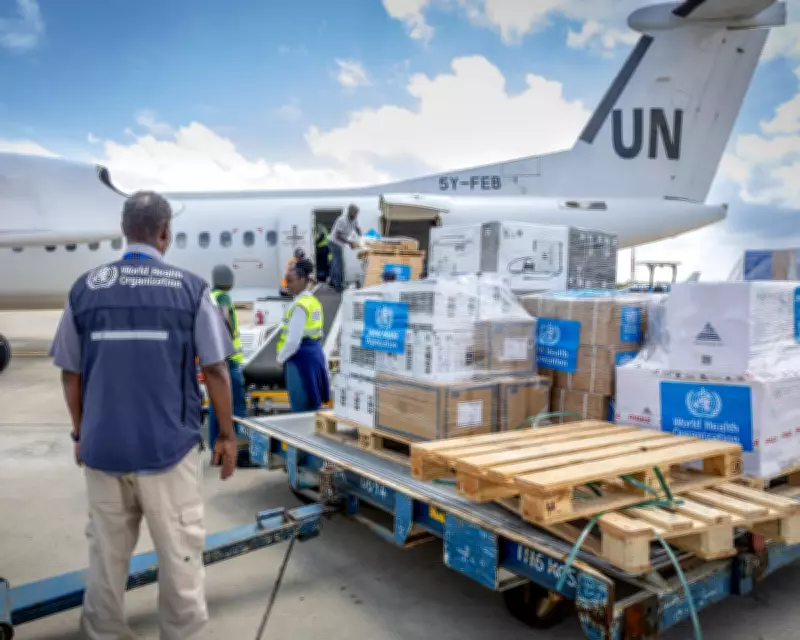
The WHO has deployed over 40 experts and sent 12 tonnes of supplies, including personal protective equipment, from Kinshasa and Nairobi. Tedros noted that cases in urban areas and among health workers are concerning, as is significant population movement due to work and conflict. Over 100,000 people have been newly displaced in Ituri, which is highly insecure.
Thirty cases in Ituri have been confirmed by lab tests, along with one death and a case in Kampala, Uganda. A US citizen tested positive and was transferred to Germany. The outbreak was declared a Public Health Emergency of International Concern by Tedros on Sunday, before the emergency committee convened—a first for a WHO director general.
Ebola spreads through direct contact with body fluids, causing symptoms like fever, vomiting, and bleeding. The average fatality rate is about 50%, varying from 25% to 90% in past outbreaks. This marks the 17th Ebola outbreak in the DRC since the virus was discovered.