Weight-Loss Drugs Could Treat Fatal Heart Attack Complications, UK Study Finds
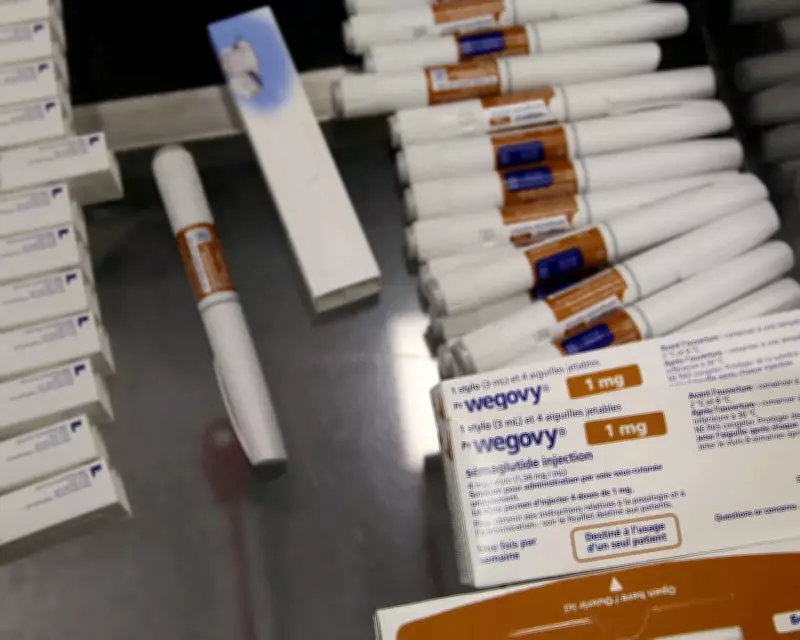
Groundbreaking research from the United Kingdom has uncovered that weight-loss medications, including Ozempic and Wegovy, could help heart attack patients avoid potentially fatal complications during recovery. The study, based on animal model trials, suggests these drugs may prevent the common issue of 'no-reflow,' where blood flow to parts of the heart remains restricted even after emergency treatment.
Promising New Therapeutic Approach for Heart Attack Recovery
According to the findings, GLP-1 weight-loss drugs reduce the risk of tissue damage that affects up to half of the 100,000 people in the UK who suffer a heart attack annually. The researchers, experts in heart health, concluded that these medications "could offer a promising new therapeutic approach for improving heart attack recovery." While these drugs are already known to lower the risk of heart attacks or strokes, this is the first time they have been repurposed to address this specific complication.
Understanding the 'No-Reflow' Complication
Dr. Svetlana Mastitskaya, the study's lead author and a senior lecturer at Bristol University's medical school, explained the significance of the findings. "In nearly half of all heart attack patients, tiny blood vessels within the heart remain narrowed, even after the main artery is cleared during emergency treatment. This results in a complication known as 'no-reflow,' where blood is unable to reach certain parts of the heart tissue," she said. No-reflow increases the risk of death or hospital readmission for heart failure within a year post-heart attack. Mastitskaya added, "Our latest findings are surprising in that we have found GLP-1 drugs may prevent this problem."
Potential for Paramedic Administration and Future Trials
The results are so encouraging that they could pave the way for paramedics to administer these drugs to heart attack patients during transport to the hospital or during surgical procedures. Mastitskaya told PA Media that "the drugs can be given by paramedics attending the patient even on the way to the hospital and/or during surgical reopening of the occluded artery," though she emphasized that clinical trials in humans are necessary first. Currently, the study's conclusions are based on animal models, and further research involving human participants is required to confirm the benefits.
Support from British Heart Foundation and Expert Insights
The British Heart Foundation funded the trial, which also involved experts from University College London. The results have been published in the journal Nature Communications. Professor David Attwell of UCL, a co-lead of the study, stated that GLP-1 drugs offer "a potentially life-saving solution" for those experiencing no-reflow. Professor Bryan Williams, the BHF's chief scientific and medical officer, commented, "This research suggests that mimicking the action of the GLP-1 hormone may have potential to improve blood flow through microvessels and perhaps one day could have a role in heart attack treatment. This will require detailed studies in humans and clinical trials first."
Broader Implications for Heart Health
Large clinical trials of GLP-1 medicines, such as Ozempic and Wegovy, have previously shown benefits for heart health beyond weight loss, but the mechanisms behind these effects have remained unclear. This study offers a possible explanation, suggesting that these drugs may help improve blood flow through the heart's smallest blood vessels. The findings highlight the potential for repurposing existing medications to address critical health issues, though further validation is essential before widespread clinical use.