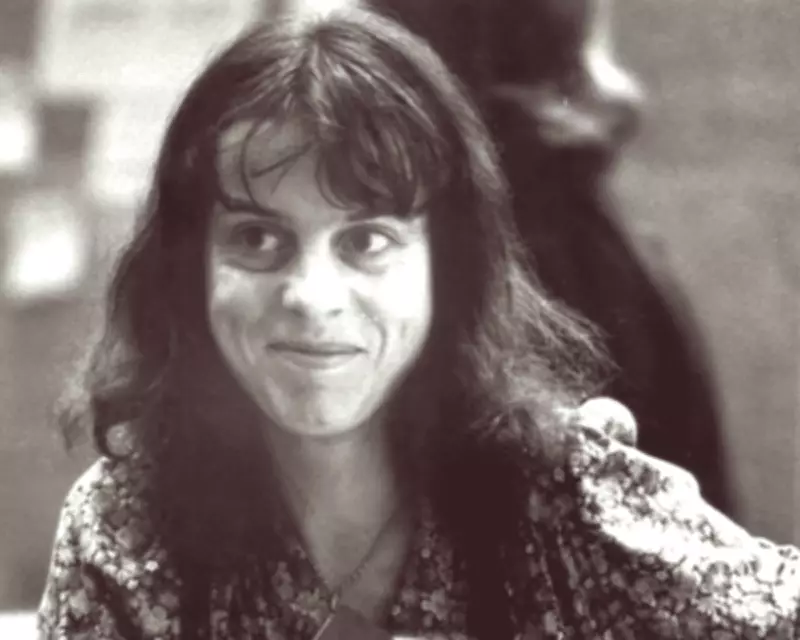
Annette Dolphin: A Legacy in Neuroscience and Pharmacology
Annette Dolphin, a renowned neuroscientist and professor of pharmacology at University College London for 28 years, has died at the age of 74. Known for her pioneering research on calcium channels, her work significantly advanced the understanding of how these channels influence neuronal activity, impacting conditions such as movement disorders, chronic pain, and epilepsy.
Distinguished Career and Scientific Contributions
Over her extensive career, Dolphin published more than 250 scientific papers and received numerous awards, establishing herself as a global leader in the study of neuronal voltage-gated calcium channels. Her research transformed insights into neuron behavior, revealing how molecular mechanisms affect neurological diseases. In recognition of her achievements, she was elected a fellow of the Academy of Medical Sciences in 1999 and a fellow of the Royal Society in 2015, where she served on the council from 2023 to 2025. Additionally, she held leadership roles as president of the Physiological Society (2024-26) and previously as president of the British Neuroscience Association.
Early Life and Academic Journey
Born in Maidenhead, Berkshire, to Geoffrey Dolphin and Yvonne (nee Dowsett), Annette, affectionately called Annie by friends and family, moved to Abingdon, Oxfordshire, in 1960. Her father, a biophysicist, worked at the UK Atomic Energy Authority at Harwell, fostering her early interest in science. As a child, she displayed curiosity by dismantling dolls and experimenting with chemistry sets, humorously declaring her ambition to become a brain surgeon at age 12 despite her clumsiness.
After attending St Helen and St Katharine school, she pursued biochemistry at St Hugh’s College, Oxford, and earned a PhD from the Institute of Psychiatry in London, focusing on noradrenaline receptors. Her academic appointments included positions at prestigious institutions such as the Collège de France in Paris, Yale University, the National Institute for Medical Research, St George’s hospital medical school, and the Royal Free hospital school of medicine. In 1997, she joined University College London as a professor in the Department of Neuroscience, Physiology and Pharmacology.
Personal Life and Enduring Impact
Beyond her professional accomplishments, Annette was known for her mentorship, hard work, and fairness, often challenging authority when necessary. She enjoyed reading, walking, hiking, skiing, gardening, and playing the piano. In 1988, she met Bill Frith on a skiing holiday, and they married in 2010, sharing a passion for science.
Throughout her life, Annette battled multiple cancers, including a fourth, duodenal cancer, which ultimately led to her death. She had Lynch syndrome and advocated for greater awareness of this condition, urging individuals with family histories of gastrointestinal or gynaecological cancers to seek testing and monitoring. She is survived by her husband, Bill, and her sister.
Her legacy continues through her scientific discoveries and the many students and colleagues she mentored, leaving an indelible mark on the fields of neuroscience and pharmacology.