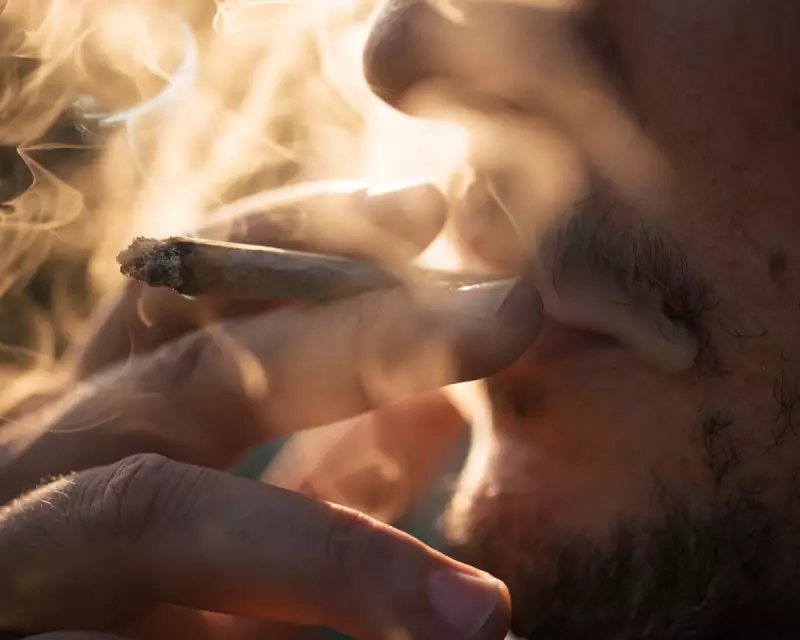
Could embracing a 'California sober' lifestyle – substituting cannabis for alcohol – be an effective way to cut down on drinking? Groundbreaking new research suggests the answer might be yes.
The Bar Lab Experiment
Researchers from Brown University in the United States conducted a unique experiment to test how marijuana consumption affects subsequent drinking habits. Participants were provided with cannabis joints to smoke before entering a scientifically controlled environment designed to replicate a real bar.
This authentic 'bar lab' featured dark lighting and drinks on tap to create a genuine social drinking atmosphere. Professor Jane Metrik, who led the study from Brown's behavioural and social sciences department, emphasised the importance of this realism. She told NPR that "we wanted to make sure that when given the opportunity, you would be really driven to drink".
In each session, after smoking their provided cannabis, participants could choose to consume up to eight mini alcoholic drinks. The experiment was meticulously conducted three separate times using cannabis of different potencies: one session with 7.2% THC cannabis, another with 3.1% THC cannabis, and a control session using 0.03% THC cannabis that functioned as a placebo.
Significant Reduction in Alcohol Consumption
The results, published in the prestigious American Journal of Psychiatry, revealed a clear pattern: cannabis consumption led to substantially less alcohol consumption.
After smoking the 3.1% THC cannabis, participants' alcohol intake decreased by 19% compared to the placebo session. The effect was even more pronounced with higher-potency cannabis – after consuming the 7.2% THC cannabis, participants drank 27% less alcohol than they did after the placebo cannabis.
This research arrives amid significant shifts in substance use patterns. A 2024 Gallup survey indicates that marijuana consumption has doubled over the past decade, largely driven by expanded legalisation efforts. Meanwhile, alcohol consumption has hit record lows as many people explore alternatives like cannabis.
Cautious Optimism for Future Applications
Notably, 40% of participants in the Brown University trial met the criteria for alcohol use disorder, suggesting the findings could have implications for addressing problematic drinking. While cannabis shows promise as a potential substitute for alcohol, researchers urge caution.
Professor Metrik stressed that more research is necessary before any clinical recommendations can be made. "We're not ready to tell people seeking treatment for alcohol, go ahead and substitute cannabis, and it will work out for you," she acknowledged.
The study opens important new questions about harm reduction strategies and how cannabis legalisation might influence public health approaches to alcohol dependence. As societal attitudes toward cannabis continue to evolve, this research provides valuable data for understanding the complex relationship between these two substances.