Antibiotic Pipeline 'Worryingly Thin' as Superbug Deaths Set to Double by 2050
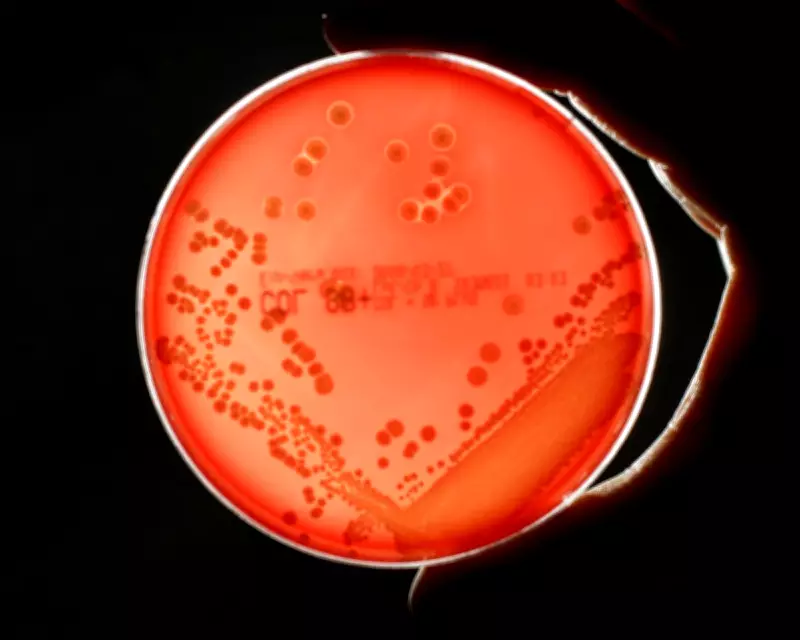
The pipeline of new drugs to combat antibiotic-resistant superbugs remains alarmingly sparse, having contracted by 35% over the past five years, according to a recent report. Experts are sounding the alarm, predicting that the annual global death toll linked to drug-resistant infections will surge to 8 million by 2050, doubling current figures. This stark warning underscores a growing public health crisis as bacteria like MRSA evolve to withstand conventional treatments.
Shrinking Research and Development Efforts
A collaborative study by the Access to Medicine Foundation (AMF) and the Wellcome Trust reveals that large pharmaceutical companies have scaled back their involvement significantly. The number of active drug development projects has plummeted from 92 to just 60 in the last half-decade. Jayasree K Iyer, CEO of AMF, emphasized the severity of the situation, stating, "Overall, the R&D pipeline remains worryingly thin, and industry investment has lost momentum." She identified drug resistance as the foremost threat to global healthcare today.
Currently, drug-resistant infections directly claim over 1 million lives annually and contribute to 4 million deaths worldwide. Both statistics are forecast to double by mid-century, reaching nearly 2 million and more than 8 million, respectively. This escalation highlights the urgent need for accelerated research and innovation in antimicrobial therapies.
Leading Players and Lagging Giants
Among the major pharmaceutical firms, UK-based GSK is at the forefront of antimicrobial resistance research, with 30 active projects. It stands as one of only three large companies continuing to invest in this critical area. The other key players are Japan's Shionogi and Otsuka. In contrast, US drugmaker Pfizer, which previously shared the top spot with GSK in 2021, has reduced its focus.
Notably, AstraZeneca, Britain's largest pharmaceutical company, is absent from the rankings due to its lack of an antibiotic portfolio, as infectious diseases have never been a core focus for the firm. The report evaluates 25 companies, including seven large research-based entities, ten generic medicine manufacturers, and eight smaller biotech developers.
Glimmers of Hope and Global Vulnerabilities
Despite the overall decline, there are positive developments. Iyer pointed to three recently approved antibiotics and seven promising medicines in late-stage development as evidence that progress is possible. "It is possible to tilt the battle against superbugs in humanity's favour," she remarked. In December, US regulators approved Innoviva's zoliflodacin for gonorrhea and GSK's gepotidacin for urinary tract infections and gonorrhea, marking the first new antibiotics for these conditions in decades.
However, the threat is most acute in low- and middle-income countries, where infectious diseases are prevalent and healthcare resources are limited. The AMF stressed, "There is no time to lose," in addressing this disparity. Hospitals worldwide are reporting a troubling increase in common infections resistant to antibiotics. According to the World Health Organization, one in six laboratory-confirmed bacterial infections was resistant to treatment in 2023, with over 40% of antibiotics losing effectiveness against common infections between 2018 and 2023.
This report serves as a critical call to action for the pharmaceutical industry and global health authorities to reinvigorate efforts in combating antibiotic resistance before the projected death toll becomes a grim reality.