
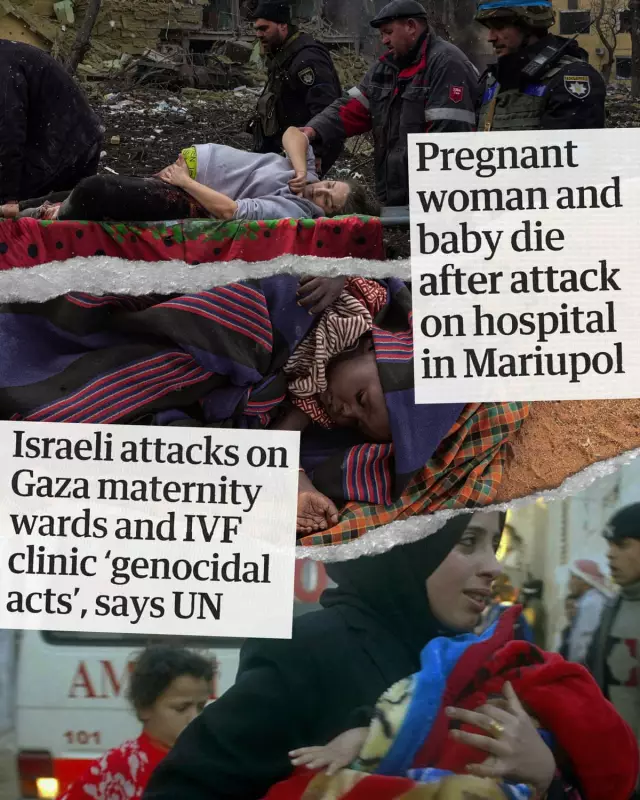
A major investigation by The Guardian has uncovered a disturbing and deliberate global pattern of violence targeting childbirth and maternity services in conflict zones. The report, published in December 2025, documents how women and babies have become casualties of war, with hospitals, clinics, and ambulances systematically attacked.
A Systematic Assault on the Most Vulnerable
The investigation, titled 'Childbirth Under Attack', analyses data and testimonies from multiple active war zones. It reveals that the sanctity of maternal healthcare is being violently eroded. These are not collateral damages but often calculated strikes on facilities and personnel dedicated to childbirth. The report highlights incidents where maternity wards have been bombed, ambulances transporting pregnant women have been fired upon, and midwives and doctors have been threatened, kidnapped, or killed.
This tactic creates a climate of extreme fear, forcing women to give birth in basements, displacement camps, or at home without any medical assistance. The consequences are predictably devastating: a sharp rise in preventable maternal and neonatal deaths, increased stillbirths, and long-term injuries for both mothers and infants. The psychological trauma inflicted on survivors is profound and enduring.
From Gaza to Sudan: A Global Crisis
The Guardian's findings are not isolated to one region but paint a picture of a worldwide humanitarian emergency. The investigation details specific cases from conflicts including the war in Gaza, the civil war in Sudan, and the ongoing violence in Myanmar. In each context, the infrastructure of care essential for safe childbirth has been dismantled or directly assaulted.
International humanitarian law explicitly protects medical facilities and personnel in conflict, classifying attacks on them as war crimes. However, the investigation shows a blatant disregard for these protections. The data suggests a normalisation of such violence, with perpetrators rarely held accountable. This impunity only fuels further attacks, creating a vicious cycle that devastates communities for generations.
The Long Shadow of War on Mothers and Children
The ramifications of targeting maternity care extend far beyond the immediate casualties. Destroying these services cripples a community's future. When women cannot access safe delivery, the risks of fistula, severe bleeding, and infection skyrocket. Newborns are left vulnerable to sepsis, hypothermia, and asphyxia.
Furthermore, the destruction of healthcare systems has a knock-on effect, exacerbating malnutrition and the spread of disease among children and new mothers. The report underscores that attacks on maternity units are an attack on the very fabric of society, undermining public health and stability long after active fighting may cease. It calls for urgent international attention, stronger mechanisms for documenting these crimes, and sustained pressure to uphold the laws of war designed to protect the most vulnerable.
Ultimately, the investigation serves as a stark indictment of modern warfare's brutality, where the miracle of birth has become a moment of extreme peril. It challenges global leaders and institutions to move beyond condemnation to concrete action, ensuring that the right to safe childbirth is defended even amidst the chaos of conflict.




