
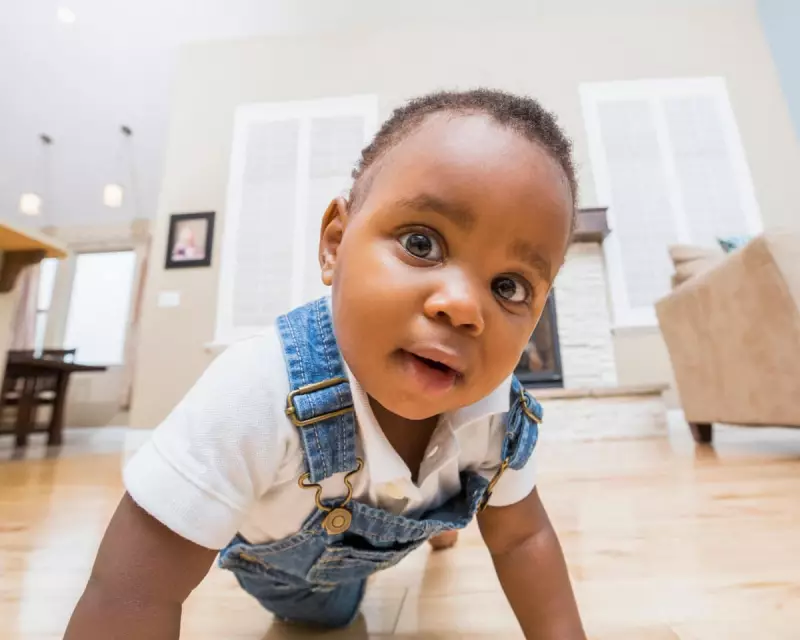
While sorting the laundry for her eight-month-old son, freelance writer Coco Khan experienced a moment of pure, sartorial rage. The source of her frustration? A simple, yet glaring, inequality: her infant's tiny dungarees boasted more functional pockets than her own wardrobe.
The Laundry Day Revelation
Khan details the many maddening aspects of new motherhood, from trite advice to shifting social attention. However, it was the sight of her baby's perfectly pocketed attire that proved a final, "unhinged" straw. She questioned what an eight-month-old could possibly need to store—a dummy, rice cake crumbs, or perhaps all the sleep he had stolen from her.
This personal grievance taps into a much broader, historical issue. The lack of pockets in women's clothing is a well-documented feminist complaint. Historically, pockets were denied to women who were not expected to carry valuables or have autonomy. Later, fashion sacrificed functionality for silhouette, deeming pockets disruptive to a garment's line and the aesthetic of the woman as decoration.
A Symbolic and Practical Injustice
Instead, women were handed the handbag—another item to manage. Even today, as Khan notes, pockets in women's garments are often shallow, purely symbolic, or completely fake. She observes that this disparity often starts young, with little girls' clothes frequently lacking pockets where boys' equivalents have them.
The injustice feels particularly acute during early motherhood, a time when one's hands are perpetually full with a baby. Khan addresses maternity wear designers directly, pleading for not just pockets, but an abundance of them. She suggests innovative, babygrow-inspired features like wipe-clean shoulders and popper-fastened day-to-night outfits.
From Victorian Corsets to Celebrity Bumps
Khan reflects on the evolution of maternity fashion, from the restrictive Victorian corsets designed to conceal pregnancy to the 20th-century ethos of simply "make it big". The 21st century brought a focus on accentuating the baby bump, influenced by celebrity culture and social media narratives of empowerment.
While this has led to more stylish options, like slinky nursing bras, practical functionality still lags. Until designers heed the call for utility, Khan concludes she may have to resort to stashing her AirPods in her son's dungaree pockets—a humorous yet pointed illustration of the ongoing pocket gap.




