
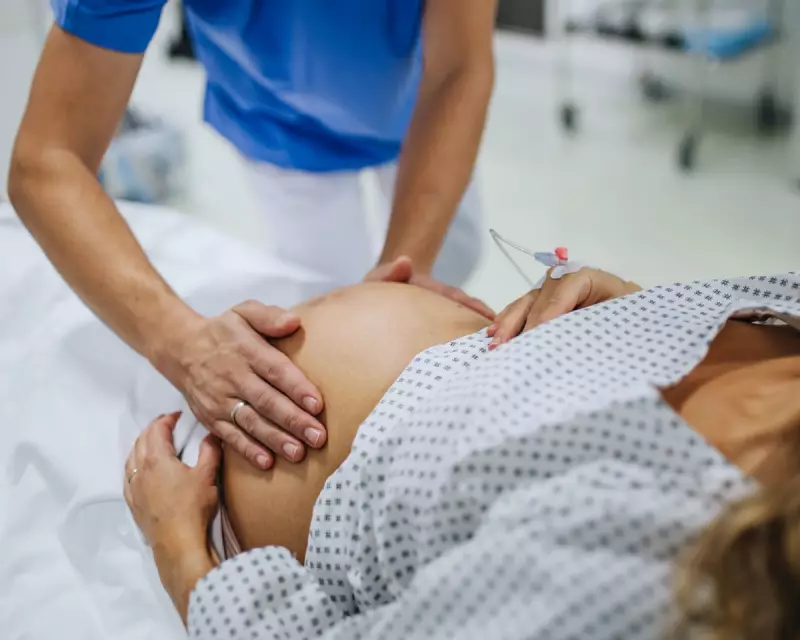
For new mothers, the period after childbirth can be fraught with unexpected challenges, and few are as serious or as common as postpartum haemorrhage (PPH). New guidance from the Royal College of Obstetricians and Gynaecologists (RCOG) is placing a powerful emphasis on a fundamental principle: the right of the woman to be fully informed and to have her choices respected.
The Reality of Postpartum Haemorrhage
Postpartum haemorrhage, defined as blood loss of more than 500ml after a vaginal birth or 1000ml after a caesarean, is a leading cause of maternal mortality worldwide. In the UK, it affects approximately one in ten women who give birth. The physical and psychological impact can be severe and long-lasting, yet discussions about how to manage it are often sidelined during antenatal care.
The updated RCOG guidelines, published in December 2025, aim to change this. They stress that while there is no single, universally easy solution to stop the bleeding, a cornerstone of effective care is ensuring the woman is an active participant in decisions about her own body. This represents a significant shift towards a more collaborative model of obstetric care.
Informed Consent and Available Options
The guidance makes it clear that obtaining proper, informed consent is non-negotiable. This means healthcare professionals must explain the risks, benefits, and alternatives of any proposed intervention in a clear and accessible manner, even in urgent situations. The options for managing PPH are varied and can be daunting.
They range from medical treatments, like injections of uterotonic drugs to make the womb contract, to more invasive procedures. These can include:
- Manual removal of the placenta if it has not been delivered.
- Intrauterine balloon tamponade, where a balloon is inserted into the womb to apply pressure.
- Surgical interventions such as compression sutures or, in the most severe cases, a hysterectomy.
The guidelines underscore that a woman's preferences, values, and concerns must be integrated into the decision-making process, balancing clinical urgency with her autonomy.
Beyond the Physical: Addressing Trauma and Fear
A critical aspect of the new approach is the recognition of the profound psychological trauma that a severe postpartum haemorrhage can cause. The sudden rush of medical personnel, the loss of control, and the fear for one's own life can leave deep emotional scars.
Dr. Joanne Gray, a consultant obstetrician and lead author of the guidelines, highlighted this point. She noted that for many women, the experience is terrifying and can overshadow the joy of meeting their newborn. The guidelines therefore advocate for debriefing and ongoing mental health support as part of routine aftercare for those who experience significant PPH.
A Call for Systemic Change in Maternity Care
The publication of these guidelines is more than a clinical update; it is a call to action for the entire maternity system. It challenges the historical paternalism that has sometimes characterised obstetric emergencies and pushes for a culture where informed maternal choice is key, even under pressure.
This requires better training for staff in communication and consent, and ensuring that antenatal education properly covers potential complications like PPH. The goal is to empower women with knowledge beforehand, so they are not encountering these critical decisions for the first time in a moment of crisis.
While science continues to seek more effective treatments for postpartum bleeding, the RCOG's latest advice confirms that respecting the patient's voice is not just an ethical imperative—it is a vital component of safe, effective, and compassionate maternity care in the 21st century.




