
Revolutionising Newborn Care: Jaundice Treatment Moves into the Home
A pioneering new service in Scotland is transforming the early days for families by allowing newborns with jaundice to receive vital light therapy in their own homes. The initiative, launched by NHS Greater Glasgow and Clyde, Scotland's largest health board, utilises a special sleeping bag-style garment that delivers the required phototherapy.
How the 'Hospital at Home' Programme Works
The programme is run by the neonatal unit at the Royal Hospital for Children in Glasgow. It enables babies who meet specific clinical criteria to undergo phototherapy safely and comfortably at home, rather than being readmitted to hospital. Neonatal jaundice is a very common condition, affecting approximately six out of every ten newborns. It causes a yellowing of the skin and eyes due to a buildup of bilirubin.
Senior nurse Kayleigh Cunningham explained that symptoms often develop around 72 hours after birth. "If a mum and baby have already gone home, they would traditionally need to return for a hospital stay," she said. "This can be upsetting when families have just begun settling into life at home."
A Family's Experience: 'Exactly What We Needed'
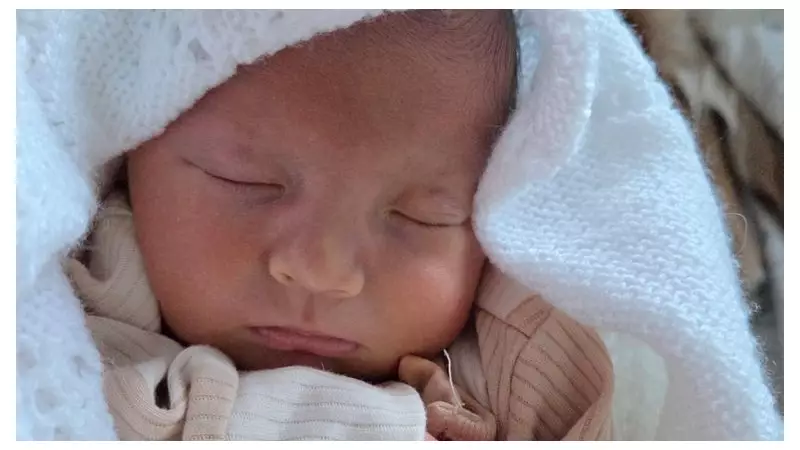
The real-world benefit of the service is highlighted by the experience of Alicia Hardie and Mark Donohue from Kilbarchan, Renfrewshire. Their daughter, Cora Donohue, was born three weeks early on Christmas Eve 2025 at the Royal Alexandra Hospital in Paisley.
"We were all packed up and ready to go home when Cora's blood test showed she needed light therapy for jaundice," Miss Hardie recalled. Unaware of the new service, the family remained in hospital for several extra days. After finally getting home on December 30, a follow-up test showed Cora's bilirubin levels were still high, necessitating another hospital trip.
It was during this second stay they learned about the Hospital at Home option. "After an early birth and the back and forth for blood tests, it was exactly what we needed," said Miss Hardie. "We could finally relax at home and start our new life together." She found the equipment straightforward to use, and after just two days of home treatment, Cora's blood test results were satisfactory.
The Impact on Families and Healthcare
This innovative approach addresses a significant disruption in postnatal care. Previously, mothers and babies faced repeated hospital admissions, which could interfere with bonding, breastfeeding, and the crucial process of settling into a new routine. The home-based phototherapy not only provides clinical treatment but also supports the mental and emotional wellbeing of the whole family during a vulnerable period.
By enabling effective treatment in a familiar environment, the NHS Greater Glasgow and Clyde programme represents a significant step forward in patient-centred neonatal care, reducing stress for families and potentially freeing up valuable hospital resources.




