
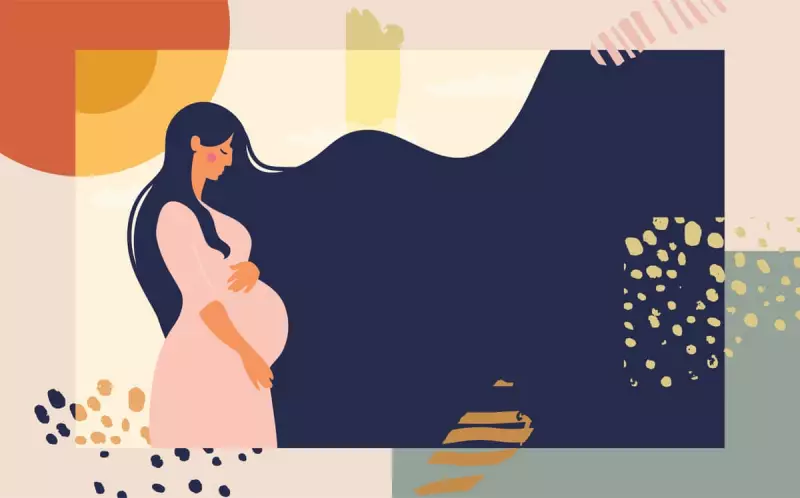
The Unspoken Journey of Pregnancy After Loss
Clinical psychologist Lauren Farrugia is navigating her third trimester with a profound awareness that few mothers experience. She carries a baby whose strong heartbeat signals new life, while simultaneously holding space for another child she never got to meet. This is the complex reality of pregnancy after loss - a journey where hope feels cautious and every milestone is shadowed by memory.
Learning to Love Without Certainty
Farrugia's first pregnancy made her a mother in ways she never anticipated. For thirteen weeks, her body nurtured and protected her daughter, growing a placenta and creating a safe environment. Her husband's words - "She only ever knew love and warmth" - became a lasting comfort when they discovered the baby's heart had stopped beating.
The experience of a "missed miscarriage" brought both cruelty and comfort. Her body continued to hold and nurture her baby even in death, demonstrating that it hadn't failed her, though it couldn't save her either. The medical management that followed felt like labour, though nobody called it that - an experience the world would label as miscarriage, but which felt both sacred and unbearable to Farrugia.
Carrying Hope While Honouring Memory
Now, a year later, Farrugia walks the same hospital corridors carrying a baby boy with a strong heartbeat. This pregnancy will be recorded as her "first birth," though she knows she has already laboured once before - without witnesses or societal recognition.
Every appointment feels like both promise and test. Each heartbeat heard through the Doppler represents a small miracle and a reminder of how fragile miracles can be. Love has become layered with memory, stitched with what-ifs and almosts. People suggest "it was meant to be," but Farrugia cannot comfortably hold that thought - both babies were meant to be, and one doesn't erase or justify the other.
She has learned that grief and love can coexist not as opposites but as two currents running in the same river. Her love for her daughter hasn't faded but deepened into something quieter, a pulse beneath everything. As her love for her son grows, she consciously protects the space that belongs to her first child.
Both babies have changed her profoundly. One taught her how to love without certainty, while the other teaches her how to hope again. She carries them both - one in memory, one in movement - understanding that love isn't measured by outcome but by its enduring presence across changing circumstances.




