
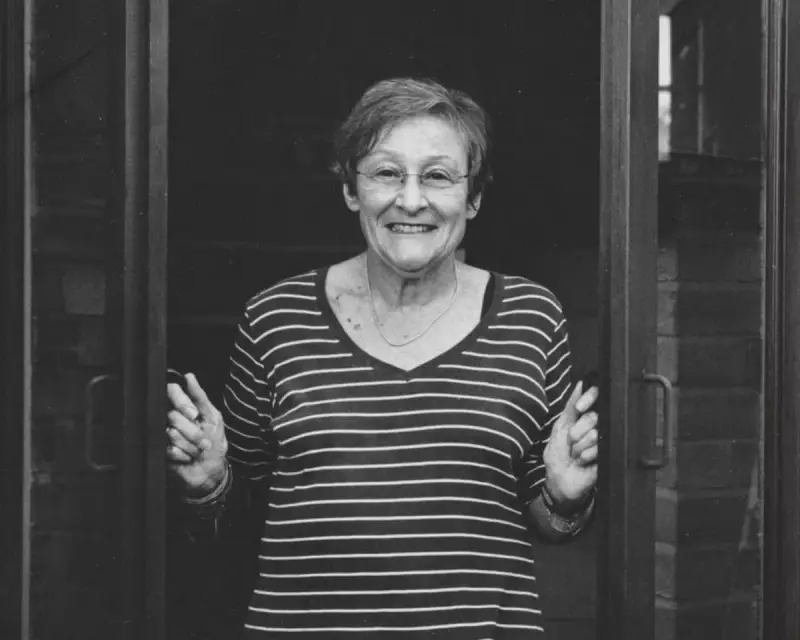
The pioneering force behind one of Britain's most ambitious hospital arts programmes, Susan Loppert, has died at age 81. Her partner confirmed that the visionary director passed away, leaving behind an extraordinary legacy that permanently altered how we perceive healthcare environments.
Transforming Clinical Spaces Through Art
Susan Loppert served as the inaugural director of Chelsea and Westminster Hospital Arts from 1993 to 2003, propelling the programme to international recognition. Her approach was revolutionary - this wasn't about token artistic gestures but a fundamental integration of creativity into healthcare.
Under her leadership, the hospital became home to 2,000 original artworks displayed throughout the building, from vast atriums to clinical wards and treatment areas. Many pieces were specially commissioned, creating a unique collection that transformed sterile corridors into inspiring spaces.
The programme extended far beyond visual art. Loppert orchestrated an ambitious calendar of cultural events including full-length operas, annual music festivals, Indian dancers in residence, and workshops led by artists ranging from poets to puppeteers.
A Life Shaped by Personal Experience
Born in Grahamstown, South Africa, Loppert was raised in Johannesburg's liberal Jewish community. Though she later became a staunch atheist, she maintained what she described as "a Jewishness of the jokes and the food."
Her mother Phyllis was a lawyer and anti-apartheid activist, while her father Eric worked as a manager. After studying English at the University of the Witwatersrand, she moved to London for postgraduate studies at the Courtauld Institute but left before completing her degree.
Loppert's remarkable career spanned several prestigious cultural institutions. She worked as editorial assistant at the Paris Review and for Robert Fraser's Mayfair gallery, even standing in as director during his imprisonment in the 1967 Rolling Stones trial. Richard Hamilton dedicated his famous poster Swingeing London to her during this period.
Her later work included positions at Sotheby's in both London and Cape Town, alongside freelance art dealing and consultancy.
Turning Personal Struggle into Creative Vision
Loppert's drive to humanise healthcare spaces stemmed from personal experience. Having contracted polio in childhood, she faced lifetime damage to her spine and lungs, resulting in extensive hospital stays throughout her life.
This firsthand understanding of hospital life made her determined to break down the artificial walls that compressed patients' rich external lives into one-dimensional medical identities. She believed passionately that art could restore humanity to clinical environments.
Remarkably, Loppert funded her ambitious programme entirely through external fundraising, raising hundreds of thousands of pounds without charging a single penny to NHS budgets. Her achievements earned numerous honours including a European Women of Achievement award (2004), Creative Britons award (2000), and Londoner of the Year award (1998).
Colleagues remembered her as a fearless activist and networker - feisty, opinionated, and demanding, she defended her artistic vision and supported her artists with fierce determination.
Susan Loppert is survived by her partner of 25 years and her brothers, Max and David. Her legacy continues to influence how hospitals worldwide integrate arts into healing environments, proving that creativity and compassion belong at the heart of healthcare.




