
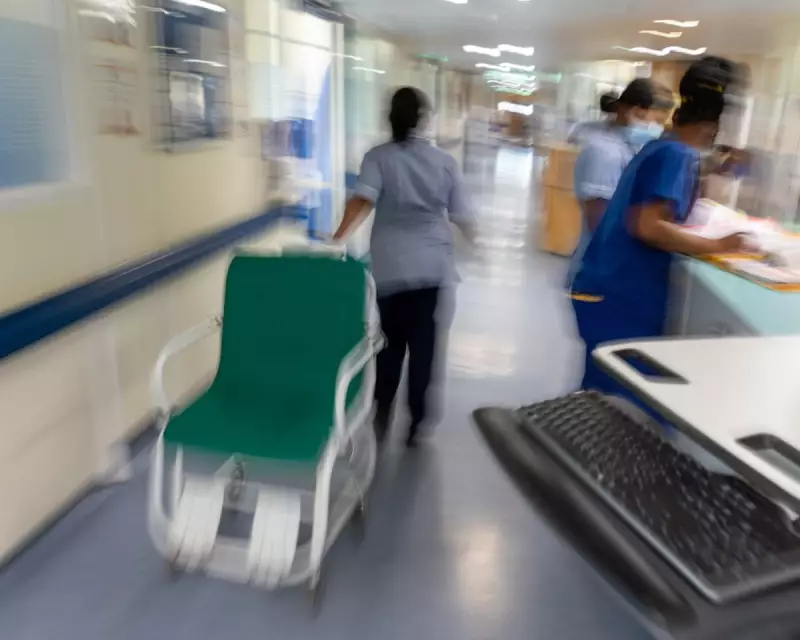
A major safety investigation has issued a stark warning that patients are collapsing in hospitals without staff noticing, because severe overcrowding is forcing them into temporary care areas like corridors, storerooms, and even gyms.
The Hidden Dangers of 'Temporary' Care Environments
The Health Services Safety Investigations Body (HSSIB) stated that using these non-clinical spaces poses serious risks including falls, infections, and inadequate access to oxygen. Its report found that patients placed on trolleys or beds in these overflow zones are often out of the direct line of sight from central nursing stations, leading to critical delays if their condition suddenly worsens.
NHS staff told investigators that some patients in these areas have not been properly assessed or started on treatment, leaving them at increased risk of deterioration. "Several nurses shared a patient safety concern around calling for help and responding to a medical emergency in temporary care environments," the report noted. It confirmed that a number of incidents where patients had collapsed in such settings were reported during the investigation.
Emergency Bells and a Reluctance to 'Normalise' Corridor Care
In response to the dangers, some hospitals have taken mitigating actions. These include installing emergency call bells, power sockets for medical equipment, and setting up mini nursing stations in overflow areas to improve organisation and safety. However, HSSIB found that other trusts are deliberately avoiding such measures because they do not want the use of offices, family rooms, and corridors for patient care to become accepted as normal practice.
The problem is compounded by a severe lack of inpatient beds. While some hospitals aim to limit a patient's time in a temporary location to an hour or less, HSSIB found stays can extend to several days. The Royal College of Emergency Medicine estimates that over 16,600 people in England died last year due to delays in being allocated a proper bed after arriving at A&E.
Political Pledges and Professional Condemnation
The Royal College of Nursing, which previously warned that patients were dying in corridors, described the HSSIB findings as "a damning indictment" of what is becoming routine. Officially, NHS England has stated that corridor care is "unacceptable and should never be considered standard."
Health Secretary Wes Streeting has pledged to end the practice of corridor care by 2029, though NHS staff groups have expressed scepticism about this timeline. A Department of Health and Social Care spokesperson said: "The situation we inherited is unacceptable and undignified, and we are determined to end it." They praised the "dedication and professionalism" of staff working under immense pressure to keep patients safe.




