
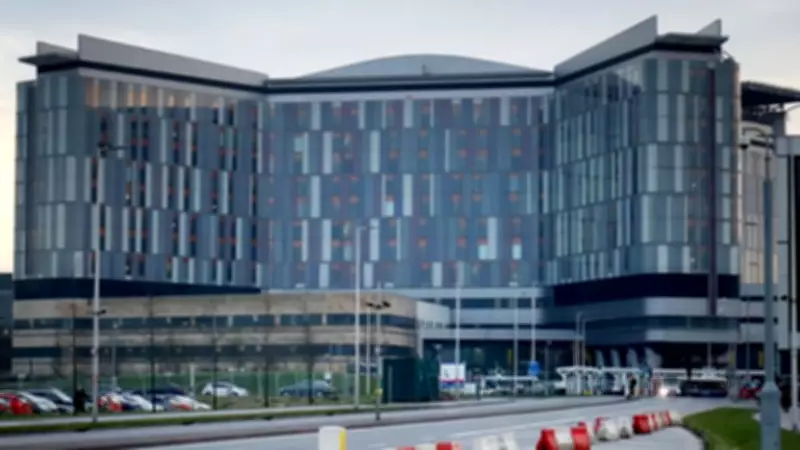
Fresh Safety Concerns at Glasgow's Queen Elizabeth University Hospital
Exclusive revelations have emerged regarding ongoing safety issues at one of Britain's largest hospitals, Glasgow's Queen Elizabeth University Hospital. A recent investigation has uncovered that mould and dirty water ingress have forced the partial closure of a cancer ward, specifically the adult bone marrow transplant unit. This development comes despite assurances from Scotland's first minister that the scandal-hit facility is now safe.
Critical Risks for Vulnerable Patients
Professor Hugh Pennington, an emeritus professor of bacteriology at the University of Aberdeen, has labeled the findings as "shocking." He emphasized that mould poses a potentially fatal threat to patients with severely compromised immune systems, such as those undergoing bone marrow transplants. The professor stated unequivocally that the ward "is not safe, and nobody should be saying it is," calling for immediate closure until repairs are completed.
The hospital, which opened in 2015 at a cost of £1 billion, has been embroiled in controversy for years over contaminated water and ventilation system problems. These issues have been linked to several patient deaths over the past decade. In Ward 4B, where the latest incidents occurred, several rooms have been sealed off, and patients have been relocated as a precautionary measure.
Ongoing Investigations and Patient Impact
Sky News has learned that air scrubbers are currently being deployed in the corridors of the bone marrow transplant ward to remove airborne contaminants. Regular air sampling is also taking place, a measure typically reserved for emergency incidents. A recent report highlighted that portable air filtration units were being used in Ward 4B without formal risk assessments or approval from the Ventilation Safety Group.
Louise Slorance, the widow of Andrew Slorance who died in the hospital in 2020 after a stem cell transplant, expressed shock at the latest revelations. She described the situation as a "fatal risk" and argued that the entire unit should be closed, potentially necessitating patient transfers to facilities south of the border for lifesaving treatment. Ms. Slorance questioned the credibility of government and NHS assurances, stating that ongoing issues in the ward contradict claims of safety.
Health Board Response and Corporate Investigation
NHS Greater Glasgow and Clyde declined to answer specific questions from Sky News but issued a statement acknowledging the challenges linked to the hospital's original build quality. A spokesperson confirmed that affected rooms have been sealed off, with no patients currently occupying them, and emphasized that infection prevention measures are in place. The board did not repeat previous assertions that the hospital is safe, instead focusing on ongoing remediation efforts.
Meanwhile, police and prosecutors continue a corporate homicide investigation into deaths potentially connected to the hospital environment. The health board has previously issued a "full and unreserved apology" after conceding that some infections were probably linked to the building's infrastructure. The Scottish government has stated it is aware of the incident and remains in contact with health board officials to ensure a swift response, prioritizing patient and staff safety above all else.




