
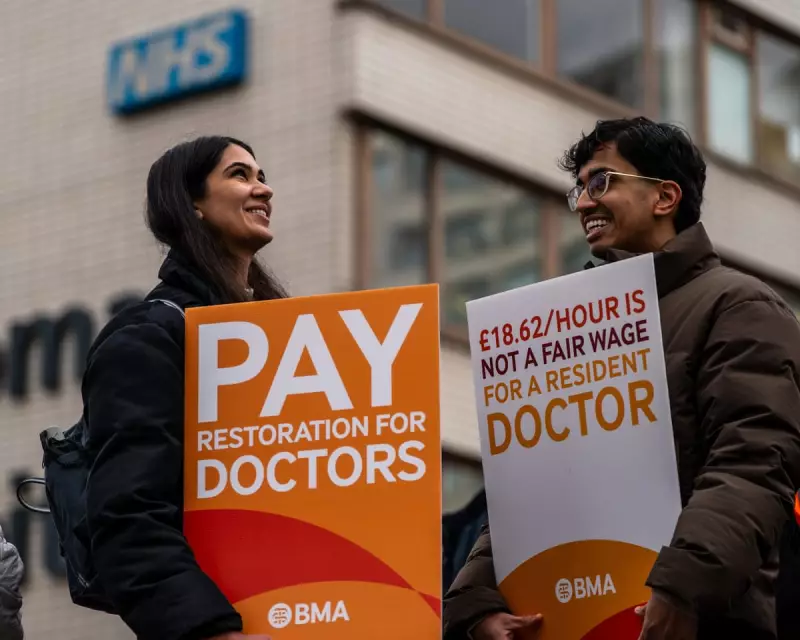
The longest-running industrial dispute in the modern NHS has escalated dramatically, with thousands of junior doctors in England walking out for five days from Wednesday morning. This marks the 14th strike action by the group since early 2023, plunging the health service into deeper turmoil as it contends with an early and severe winter flu epidemic.
A Dispute Hardened by Years of Deadlock
The strike follows the collapse of last-ditch talks on Tuesday between the government and the British Medical Association (BMA), which represents 55,000 of the estimated 70,000 junior doctors in England. The union's members voted overwhelmingly for further action, rejecting the latest government offer. The clash has now persisted for 33 months, evolving into one of the most bitter public-sector disputes since the era of austerity began.
Prime Minister Keir Starmer had warned doctors against striking during what he called a "moment of crisis," labelling the walkouts "reckless" and a "grave danger" to patients. However, the BMA remains steadfast, with its legal mandate to strike running until 6 January. The union is already balloting members for a fresh six-month mandate, with further strikes planned for February if the vote passes.
Pay Erosion and a Crippling Jobs Bottleneck
At the heart of the conflict are two interlinked issues: pay and career progression. While junior doctors have received a 28.9% pay increase over the past three years, the BMA argues that, in real terms, their salaries are worse now than in 2008/09 after years of below-inflation rises during austerity.
A critical new dimension is a severe shortage of specialist training posts. This year, an estimated 40,000 doctors will compete for roughly 10,000 specialty training places, creating a "really serious bottleneck." This leaves thousands of doctors unable to progress to become surgeons, psychiatrists, or A&E consultants, with some left literally unemployed. The BMA warns this is driving a talent exodus from the NHS.
Health Secretary Wes Streeting has attempted to address the jobs issue by pledging to create more training places, recently increasing his offer to 4,000. However, his latest proposal included no additional pay rise for the current financial year, leading to its rejection by 83% of junior doctors in a BMA survey.
Weaponising a Winter Crisis and No End in Sight
The strike coincides with a significant winter flu surge, which began weeks earlier than usual. Senior NHS figures fear the deadlock could now drag on into 2026 without dramatic intervention and have urged both sides to accept independent mediation.
Observers note that the government has sought to "weaponise" the flu crisis to pressure doctors, a tactic criticised by BMA junior doctors committee chair Dr Jack Fletcher. He stated that the very professionals accused of "juvenile delinquency" would be holding services together over Christmas.
With public support dwindling—a recent YouGov poll found 58% believe the strikes are wrong—and the Treasury enforcing tight fiscal rules, the government is reluctant to offer a larger settlement that could trigger demands from other public sector workers. For the junior doctors, the resolve appears unbroken. As one analyst put it, "They intend to keep on striking until they get the money they want." For patients and an overstretched NHS, the immediate future promises continued disruption and danger.




