
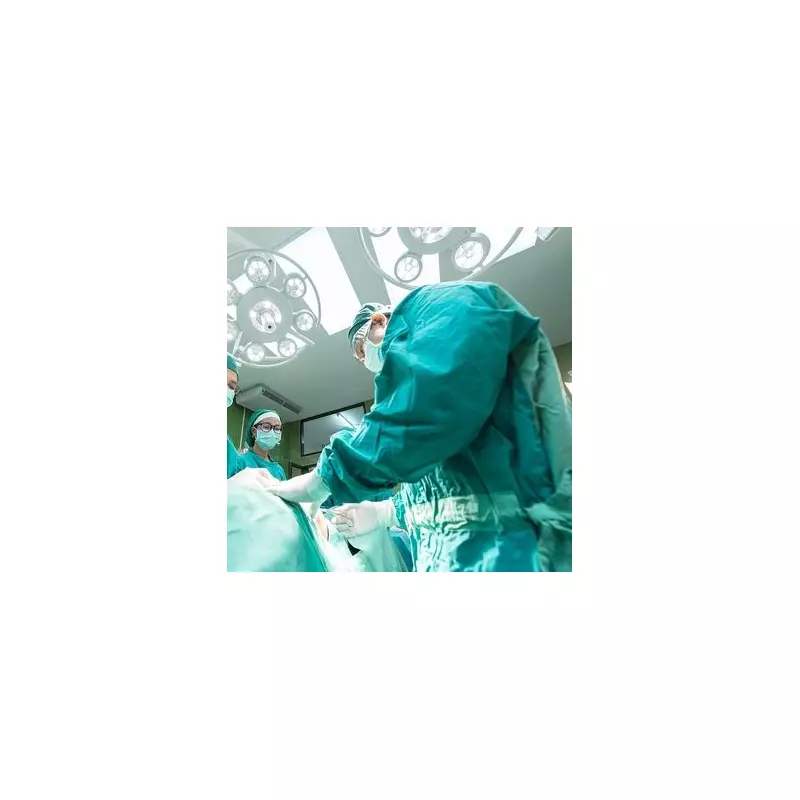
Coroner Identifies Serious Hospital Failures in Preventable Death
A senior coroner has issued a damning report against a South London hospital trust after a 67-year-old man died following a kidney transplant he should never have received. Barry Loxston passed away at St George's Hospital in Tooting on July 30, 2023, after developing severe complications from the surgery.
Multiple System Failures in Patient Care
Fiona Wilcox, the Senior Coroner for Inner West London, found that Mr Loxston died as a direct result of serious failures to recognise he was medically unfit for transplantation. Despite suffering from chronic diarrhoea and falling albumin levels in his final months, medical teams at both St Helier Hospital in Carshalton and St George's Hospital failed to remove him from the transplant waiting list.
The coroner's investigation revealed that Mr Loxston's poor nutritional state, caused by malabsorption from chronic diarrhoea, created significant risks for post-operative complications. Although the July 8 transplant surgery was initially successful, his low albumin levels contributed to circulatory failure, electrolyte imbalance and delayed function of the transplanted kidney.
Distressing Nursing Care and Mental Health Impact
The report detailed shocking lapses in basic nursing care that significantly affected Mr Loxston's wellbeing. He was left lying in his own faeces on multiple occasions, including one instance where he remained in this state for nearly five hours after staff failed to provide a portable toilet.
When Mr Loxston arrived at hospital, he fell and broke his collarbone. His family reported that nurses repeatedly handled him improperly afterwards, causing him significant pain. The coroner noted multiple medication errors, with pills frequently discovered on his bed or floor as he had been left to take medicine unsupervised.
These nursing failures had a profound impact on his mental health, with one staff member describing him as being low in mood and having simply had enough following the surgery.
Preventable Death Prompts Hospital Reforms
Ms Wilcox ruled that Mr Loxston's death was both preventable and predictable, noting that all medical witnesses at the inquest agreed he should not have undergone surgery with such low albumin levels. She has issued a Prevention of Future Deaths report to St George's University Hospitals NHS Foundation Trust.
A trust spokesperson stated: We are deeply sorry that Mr Loxston didn't receive the high level of care he would have expected from us, and we offer our sincere apologies and condolences to his family. The trust confirmed it has implemented important improvements, including reviewing patients on transplant lists to identify potential suitability issues.




