The story of a Chinese man who chose to cryogenically freeze his wife after her death, only to begin a new relationship years later, has ignited complex debates about love, loss and the boundaries of science.
The Unconventional Love Triangle
In 2017, Gui Junmin made the extraordinary decision to preserve his wife Zhan Wenlian's body using cryogenic technology after she died from lung cancer. Zhan became the first Chinese person to undergo this procedure, which was funded by a science research institute in Jinan that agreed to maintain her preservation for three decades.
Reports indicate that Zhan had given her consent to the cryogenic process before passing away. However, the story took an unexpected turn in 2020 when Gui revealed he had begun dating again. His new partner, Wang Chunxia, became part of a situation that many are struggling to comprehend ethically and emotionally.

A Relationship of Convenience?
What makes this story particularly compelling are Gui's own comments about his new relationship. He told the Chinese newspaper Southern Weekly that his partnership with Wang was primarily 'utilitarian' rather than romantic. According to Gui, a severe gout attack that left him bedridden prompted him to seek a live-in companion for practical support.
'A frozen wife is all well and good,' the original article noted, 'but she's not going to be much use on the chicken soup front if he gets unwell again.' This practical approach to relationships has left many wondering about the emotional complexities at play.
The Deeper Questions About Cryogenics
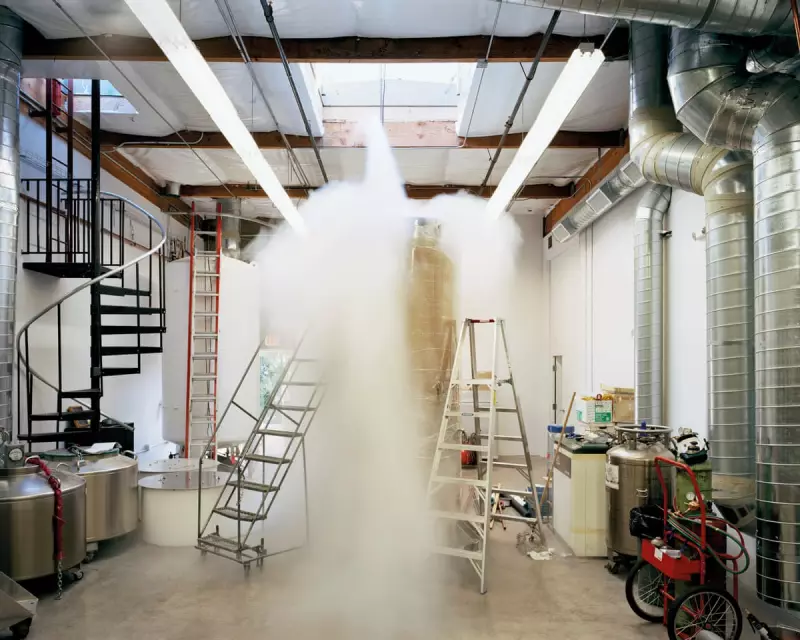
This personal story opens up broader questions about cryogenic preservation and humanity's relationship with mortality. There are approximately 500 people cryogenically frozen worldwide, mostly in facilities like the Alcor Life Extension Foundation in Arizona and the Cryonics Institute in the United States.
Both of these major cryogenics labs were reportedly started by people hoping to preserve their own loved ones, highlighting the powerful emotional drivers behind this controversial science. Yet as the article points out, 'there is no proof that it will ever be possible to bring someone who has been frozen back to life.'
Gui's own comments reveal the psychological complexity of choosing cryogenics. He reportedly agreed to the procedure because he didn't fundamentally believe his wife was truly dead - rather, he saw her as having 'just gone somewhere to rest for a while.'
This case demonstrates the challenging intersection of cutting-edge science, personal grief, and the human difficulty in accepting final goodbyes. As the world watches this unusual story unfold, it raises profound questions about how we handle loss and whether technology can truly offer a second chance at life.