
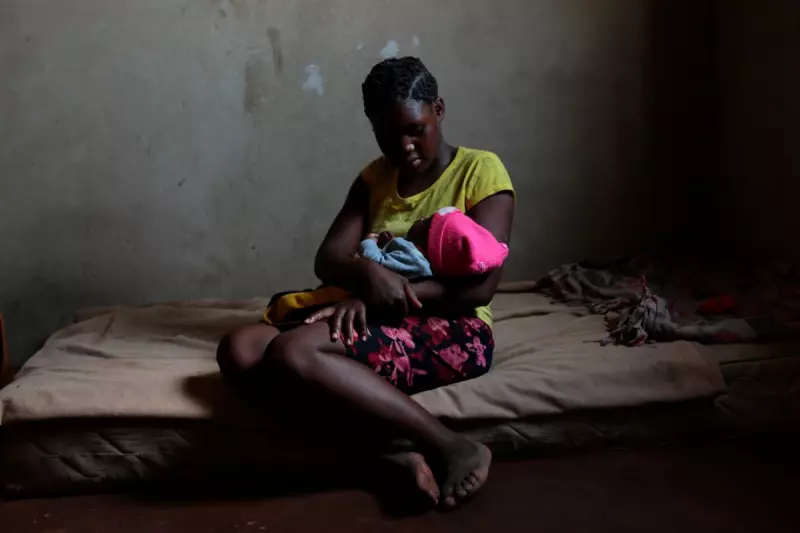
African governments are taking decisive action to protect family planning services as significant cuts in foreign aid threaten decades of progress in reproductive healthcare access for millions of women and girls.
Nations Commit to Domestic Funding
Zambia, Zimbabwe and the Democratic Republic of the Congo have become the latest countries to announce substantial budget increases for contraceptive supplies and services, marking a significant shift towards self-reliance in healthcare provision.
According to a recent report from global partnership FP2030, more than 80% of donor funding for family planning originates from countries that have announced aid reductions. The United States, which accounted for 41% of total funding between 2020 and 2024, represents the largest contributor facing cuts.
The reduction in international support has already led to the closure of vital maternal and reproductive health services with devastating consequences. In one tragic case reported by the Guardian, a mother and her baby died in Yemen after being turned away from a hospital that had lost UNFPA support previously funded by USAID.
Country-Specific Commitments
Zambia's Minister of Health, Elijah Julaki Muchima, announced at the International Conference on Family Planning in Bogotá that funding will increase from $4.5 million in 2025 to $7.5 million in 2026. He described this as a historic step in cementing Zambia's commitment to human capital development.
Since the government launched its family planning programme in 2022, maternal mortality has dropped significantly from 252 to 187 per 100,000 live births. Neonatal mortality rates have also declined, while the programme has funded 20,000 new healthcare workers, predominantly midwives.
Zimbabwe's government will spend an additional $2.25 million annually on contraceptives in 2026 and 2027, according to Health Minister Douglas Mombeshora. Historically, Zimbabwe received almost 39% of its resource needs from aid and donor funding, but has recognised the gap created by reduced support.
The country plans to raise an extra $2 million each year through taxes on products including alcohol and tobacco, while 5% of a new levy on data and airtime will also contribute to strengthening family planning services.
The Democratic Republic of the Congo is making an even more dramatic shift, moving from no budget for contraceptives to $5 million annually over the next four years. Minister of Gender, Family and Children Micheline Ombae Kalama highlighted the particular challenges in DRC, where conflict, displacement and social norms create a very high level of unmet need for young people.
Broader Context and Impact
The Guttmacher Institute's recent Adding It Up report revealed that 78 million women and girls in low- and middle-income countries who want to avoid pregnancy lack access to contraception. Meeting all contraceptive service needs in these nations would require $14 billion according to the study.
UNFPA has significantly expanded its matching funding programme, now providing $2 worth of supplies for every $1 invested by governments. Agreements have been signed with 44 countries, up from just eight in 2022, with 35 of these located in Africa.
Samukeliso Dube, Executive Director of FP2030, emphasised that funding cuts have exposed the fragility of donor-dependent health systems. She stated that sustainable domestic financing represents the way forward, urging the sector to centre country-led strategies and protect progress made.
Diene Keita, the new head of UNFPA, described these new commitments as reflecting a powerful shift from dependency to ownership, with countries taking charge of their own destiny and building systems that last.
Meanwhile, the US government is negotiating new bilateral aid agreements under its America First Global Health Strategy, conducting talks directly with ministers of foreign affairs or finance without NGO involvement.




