
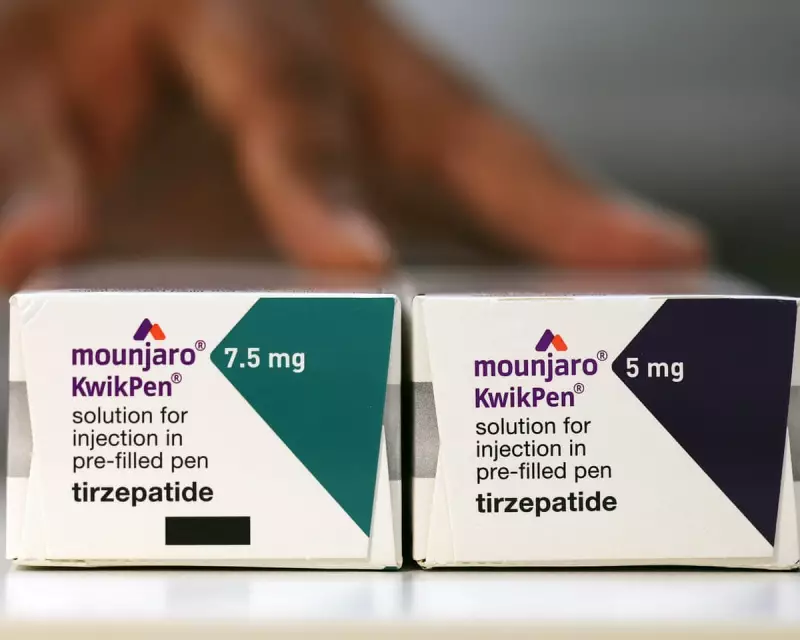
The World Health Organization has issued a landmark statement, declaring that a new generation of weight loss medications represents a "new chapter" in the global battle against obesity. The health body emphasised the huge potential of drugs like Mounjaro and Ozempic to tackle a crisis projected to affect 2 billion people worldwide by 2030.
A Conceptual Shift in Treating Obesity
In a special communication aimed at health professionals, published in the Journal of the American Medical Association, the WHO framed these treatments as more than just a scientific advance. It stated that GLP-1 therapies symbolise a fundamental shift in how society views obesity—moving away from seeing it as a simple lifestyle choice and towards recognising it as a complex, preventable, and treatable chronic disease.
"GLP-1 therapies have emerged as an important innovation in addressing the global obesity challenge," the WHO's statement said. "The advent of these medications represents a tipping point in the treatment of obesity, its complications and related co-morbidities." The statement was authored by senior WHO doctors, including Jeremy Farrar, the organisation's assistant director-general.
Barriers to Access and the Call for Equity
While celebrating the drugs' proven effectiveness, the WHO issued stark warnings about accessibility. It urged countries to ensure people who could benefit from GLP-1 therapies can get them, though it advised against use by pregnant women. A major concern is the stark inequality in access driven by high costs and limited production.
The organisation pointed out that current global manufacturing capacity means only about 100 million people could receive the drugs, a mere 10% of the 1 billion who stand to benefit. To address this, it called on pharmaceutical companies to implement tiered pricing, charging less in poorer nations, and to massively scale up production.
Dr Tedros Adhanom Ghebreyesus, the WHO's director-general, commented: "While medication alone won’t solve this global health crisis, GLP-1 therapies can help millions overcome obesity and reduce its associated harms."
Not a 'Silver Bullet' and the UK Perspective
The WHO stressed that the drugs are not a standalone solution. It advised that their use must be combined with healthier eating, increased physical activity, and lifestyle counselling to be fully effective. The statement also acknowledged growing evidence that GLP-1s can reduce risks of serious conditions like heart attacks, strokes, and type 2 diabetes.
Echoing this caution, Katherine Jenner, director of the UK's Obesity Health Alliance, said: "Weight-loss drugs have an important role to play, but they are not a silver bullet." She highlighted current challenges in the UK, including limited access, fragile supply chains, and tightly targeted NHS use. "Evidence shows that most people regain weight once they stop taking these drugs, and we cannot medicate two-thirds of the population indefinitely," Jenner added.
The WHO identified three major barriers to universal access: cost and availability, health system preparedness, and the need for universal healthcare. With the global economic cost of obesity predicted to hit $3 trillion by 2030, the call for equitable access to these transformative treatments has never been more urgent.




