
In a landmark move, the World Health Organization (WHO) has for the first time conditionally recommended the use of weight loss injections to help tackle the global obesity crisis.
A New Front in Chronic Disease Management
Announcing the guidance, WHO Director-General Dr Tedros Adhanom Ghebreyesus stated the decision "recognises that obesity is a chronic disease that can be treated with comprehensive and lifelong care." He emphasised that while medication alone is not a solution, these treatments could assist millions in overcoming obesity and reducing its associated health risks.
The scale of the issue is vast. According to the UN health agency, more than one billion people worldwide are currently living with obesity. It projects this figure will surge to two billion by the year 2030.
How the Treatments Work and Who They Are For
The recommended drugs are known as GLP-1 receptor agonists. They function by mimicking a gut hormone, which helps increase insulin release, control blood sugar levels, and crucially, suppress appetite.
The WHO's new advice consists of two core parts. The first conditionally recommends the use of these medicines for the long-term management of obesity in adults, excluding pregnant individuals. The second stresses that the drugs must be offered alongside foundational interventions, including support for a healthy diet and increased physical activity.
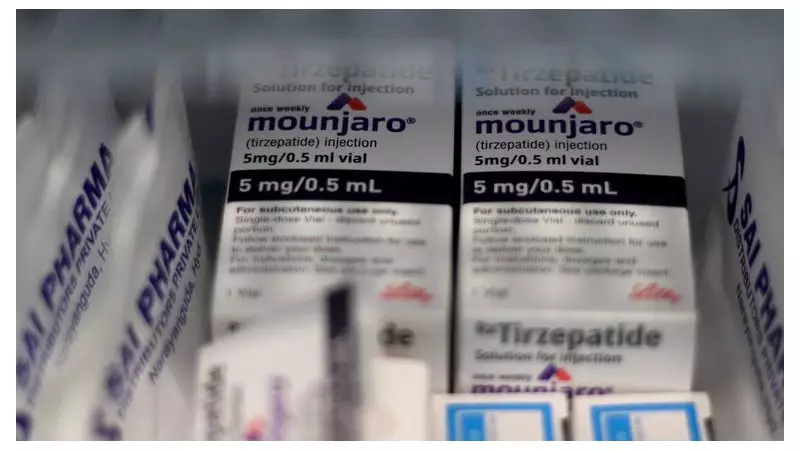
The guidance applies to adults with a Body Mass Index (BMI) of 30 or higher. It specifically names three agents: semaglutide (sold as Ozempic and Wegovy), tirzepatide (Mounjaro and Zepbound), and the older drug liraglutide. The organisation added that guidance for children and adolescents is expected to follow next week.
Access and Implementation: The Major Hurdles
A significant caveat in the WHO's announcement is the stark warning over access. The agency stressed that availability remains a "major barrier," estimating that even with scaled-up production, fewer than 10% of people who could benefit will be able to access GLP-1 therapies by 2030.
This challenge is already evident in the UK. While Wegovy was licensed for weight loss and made available on the NHS some years ago, and Mounjaro was slated for rollout through GP services from late June 2025, the reality on the ground is patchy.
Research by Sky News at the start of August revealed that only eight out of 42 NHS Integrated Care Boards (ICBs) in England had begun providing the newer treatment to patients, with many others unable to give a firm date for its introduction.
In related UK guidance, the National Institute for Health and Care Excellence (NICE) advised in August that individuals stopping these medications should receive "structured advice and follow-up support" to prevent weight regain. This includes NHS monitoring for at least a year post-treatment and support to build sustainable healthy habits.




