
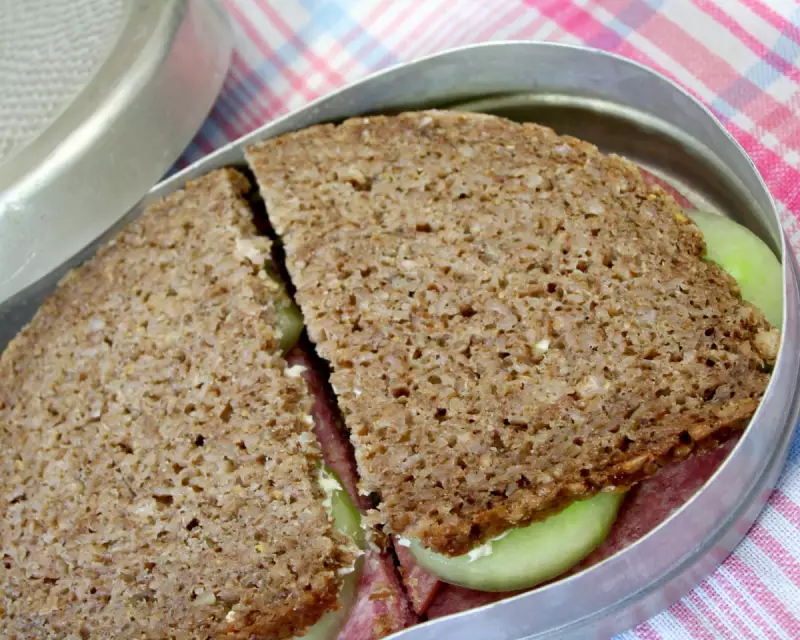
For children growing up in 1990s Britain, the school lunchbox could be a source of profound anxiety. That moment of opening your container, heart pounding with what one writer describes as 'palpitating trepidation', knowing the contents would be judged as bizarre compared to classmates' standard fare.
While other children unwrapped pristine white bread sandwiches, cheesy Wotsits and Club biscuits, the 'weird lunchbox kids' faced scrutiny over yesterday's veggie curry, homemade falafel or, in one particular case, a 'deconstructed sandwich' where thick fresh bread, cucumber and crumbs mingled freely in the bag.
The Vindication of Health-Conscious Parents
Now in 2025, those once-embarrassed children and their health-conscious parents are experiencing significant vindication. Mounting research continues to reveal the dire health consequences of ultra-processed foods (UPFs) that dominated 90s lunchboxes.
Recent studies have linked diets high in UPFs to harm in every major organ of the human body, alongside numerous other health conditions. This news comes as no surprise to the mothers who pioneered healthy eating decades before UPF became household terminology.
These early adopters of quinoa and meticulous readers of food packet ingredients resisted the Cheestrings and Micro Chips era despite considerable social pressure. Their insistence that such foods were unhealthy often fell on deaf ears or attracted mockery - sometimes even from their own children.
The Legacy of Food Education
Today, the writer acknowledges the profound value of that early food education. As a mother herself now, she mostly cooks from scratch, continuing family traditions like Sunday roasts with homemade gravy made from meat juices.
These inherited skills have proven invaluable for feeding her own family healthily, creating a newfound appreciation for her mother's persistence. The ability to read ingredient lists and prepare meals from basic ingredients represents an important form of food literacy that continues to benefit subsequent generations.
Addressing the Class Divide in Healthy Eating
However, the discussion around UPFs often overlooks crucial economic and class considerations. Cooking from scratch requires both knowledge and resources that not all families possess.
In the 90s, the writer's mother operated on a shoestring budget, travelling to health food shops and seeking out supermarkets selling the cheapest cuts of meat. Today, time poverty presents an even greater barrier, with longer working hours making scratch cooking challenging for many families.
The writer emphasises that the moral burden should not fall on individuals, particularly poorer ones, but rather on the retailers and corporations profiting from UPF sales. Her mother recognised decades ago that the problem was systemic and required systemic solutions.
While alternatives to UPFs are more widely available today, the cost of living remains a significant obstacle to healthy eating for many British families. The conversation continues to evolve, but the fundamental wisdom of those 90s 'weird lunchbox' parents has been powerfully confirmed by contemporary nutritional science.




