
Healthcare services across the United States are facing an unprecedented crisis, with clinics and hospital wards shutting their doors following sweeping changes to health legislation signed by former President Donald Trump. The One Big Beautiful Bill Act, enacted four months ago, is projected to strip an estimated 10 million people of their health insurance, triggering a wave of closures from Georgia to Oregon.
The Human Cost of Healthcare Cuts
The legislation slashes federal healthcare funding by hundreds of billions of dollars, primarily by paring back eligibility for Medicaid – the government's health insurance programme for low-income individuals. It also raises costs under the Affordable Care Act and defunds certain family planning providers. The impact is disproportionately severe for rural hospitals and obstetric wards, which are often expensive to run and serve high numbers of Medicaid patients.
Research from the University of North Carolina at Chapel Hill reveals that more than 300 rural hospitals are now at risk of closure or severe service reductions. A forthcoming analysis from the National Partnership for Women and Families indicates that nearly 100 of these are located in counties where the hospital is the sole source of obstetric care, disproportionately affecting white, Native American, and low-income women.
A Nationwide Shutdown: State-by-State Impact
A Guardian review confirms that provider groups in at least eight states have publicly attributed closures and service cuts directly to the legislation.
Georgia: In October, St Mary's Sacred Heart hospital in rural Lavonia closed its obstetric ward. A hospital spokesperson confirmed that while physician shortages and changing demographics were factors, "the Medicaid cuts solidified our decision". Patients must now travel nearly an hour for care.
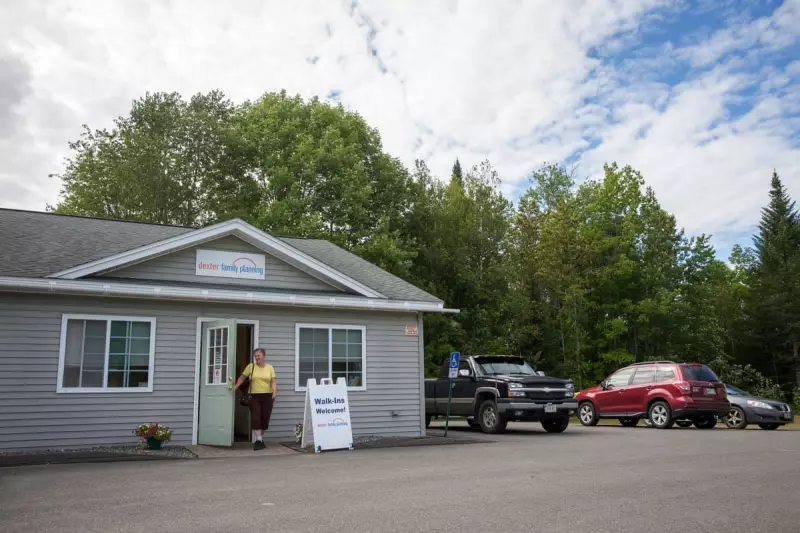
Maine: Maine Family Planning, which operates 18 clinics, was forced to stop offering primary care in October after a provision in the new law blocked larger abortion providers from receiving Medicaid reimbursements. This affects an organisation that historically received about $2 million annually in such funds. About 70% of its patients relied on it exclusively for healthcare.
Oregon: Providence Seaside Hospital shuttered its inpatient obstetric and newborn care services in October. A spokesperson stated the legislation contributed to a "historic reset" for the hospital. Meanwhile, Blue Mountain hospital, near the Idaho border, has laid off 10 staff in anticipation of lost revenue.
Other states feeling the impact include Kansas, where a planned rural hospital was abandoned; Nebraska, where a small town lost its only health clinic; New York, where a family planning clinic and therapy centres are closing; Virginia, with three primary care clinics shutting down; and Washington, where Seattle Children’s hospital is laying off over 150 staff.
An Irreversible Blow to Vulnerable Communities
Michael Shepherd, an assistant professor at the University of Michigan School of Public Health, studies rural healthcare. He noted, "The one big, beautiful bill isn't the only cause of the closures, but it can be the death knell for hospitals that are already financially struggling." He added that many would have survived for years without these changes.
The personal toll is immense. In Maine, Heather Curran, a primary care nurse practitioner in deeply rural Aroostook county, lost her job after a decade with Maine Family Planning. She treated patients who had gone without primary care for years and fears many will now wait months for appointments or go without entirely. "A lot of these people are already barely getting by as it is," she said.
In Georgia, Tammy Frye of the Hart Life Pregnancy care centre reported desperate expectant mothers calling her, scared and upset after their obstetric ward closed. "What's going to happen if these moms are in an emergency situation?" she asked, highlighting that many lack reliable transportation to reach care now located an hour away.
This series of closures represents a fundamental restructuring of the American healthcare landscape, leaving the most vulnerable populations to bear the heaviest burden.




