
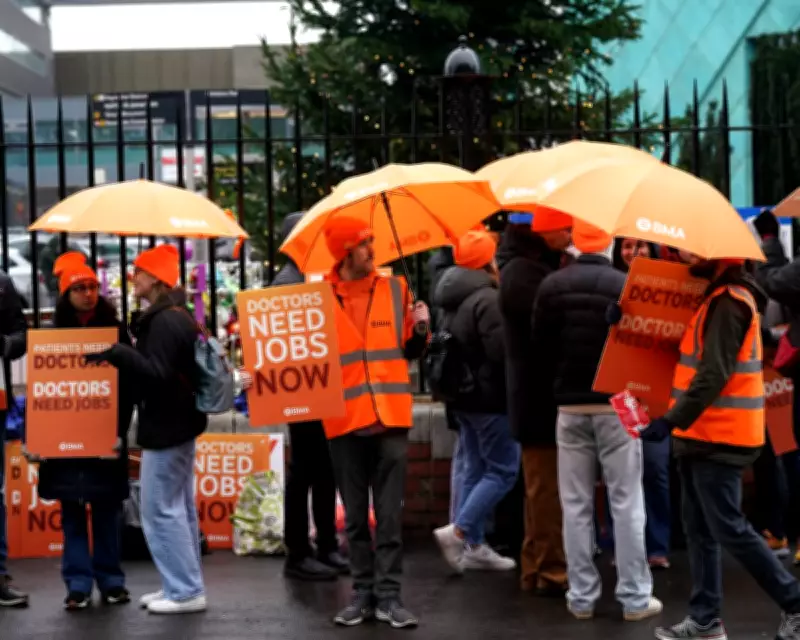
Union Leaders Voice Private Concerns Over BMA's Pay Strategy
Senior figures within trade unions have privately expressed significant misgivings regarding the British Medical Association's (BMA) pay demands and the upcoming doctors' strikes. These concerns center on the medical union's refusal to accept a government-proposed pay rise of 3.5%, which is notably higher than offers made to other NHS staff groups.
Pay Disparities Fuel Resentment Among NHS Unions
While doctors are pushing for a pay increase exceeding 3.5%, more than one million non-doctor NHS employees—including nurses, physiotherapists, midwives, healthcare assistants, ambulance workers, and hospital porters—are set to receive an even lower pay rise of 3.3% through the Agenda for Change (AfC) system. This disparity has caused frustration among unions representing these staff members, who feel their negotiations are undermined by the BMA's stance.
"The deals we have been able to present to our members are becoming a much tougher sell," one senior union figure revealed, highlighting the growing tension. Another source criticized the BMA's leadership by resident doctors rather than professional negotiators, suggesting it has led to chaotic talks and a lack of pragmatism. "I think it stops from taking any kind of pragmatic approach," they added.
Internal Conflicts and Broader Implications
A third union source acknowledged "undoubtedly resentment" among unions representing non-doctor NHS staff, noting a perception that the government is more willing to listen to doctors. However, they conceded that the BMA is merely doing its job by advocating for its members. Further complicating matters, the GMB union is in dispute with the BMA over a pay offer to BMA staff, who are planning to strike alongside doctors on April 7th. The BMA's offer of 2.75% to its own staff is lower than the 3.5% recommended for resident doctors.
In response, a BMA spokesperson defended the union's position, stating that doctors have seen their pay fall by over a fifth since 2008-09, and the 3.5% offer does little to reverse these real-terms cuts. "We are taking industrial action to achieve better for doctors," they said, emphasizing that doctors face different circumstances than BMA staff, with competitive pay and benefits at the union leading to high retention rates.
Wider NHS Pay Satisfaction Issues
Meanwhile, NHS staff under the AfC system have yet to begin talks on broader pay structure reforms, with unions likely to push for changes to pay scales. A recent Unison analysis of NHS data in England over three years shows no significant improvement in pay satisfaction levels for AfC workers, with declines in some cases. In contrast, medical and dental staff have seen an 18-percentage-point increase in pay satisfaction since 2023. Unison argues these findings highlight how many NHS employees continue to feel undervalued, with little change under the new government.
As further strikes are scheduled to begin, the internal conflicts among unions and the ongoing pay disputes underscore the deep-seated issues within the NHS, threatening to exacerbate tensions in the healthcare sector.




