
NHS on High Alert as Early Flu Season Takes Hold
Hospitals across the United Kingdom are preparing for what could be the most significant flu surge in a decade, with health officials warning that a mutated version of the virus is already spreading widely among younger populations and is expected to cause substantial admissions when it reaches elderly demographics.
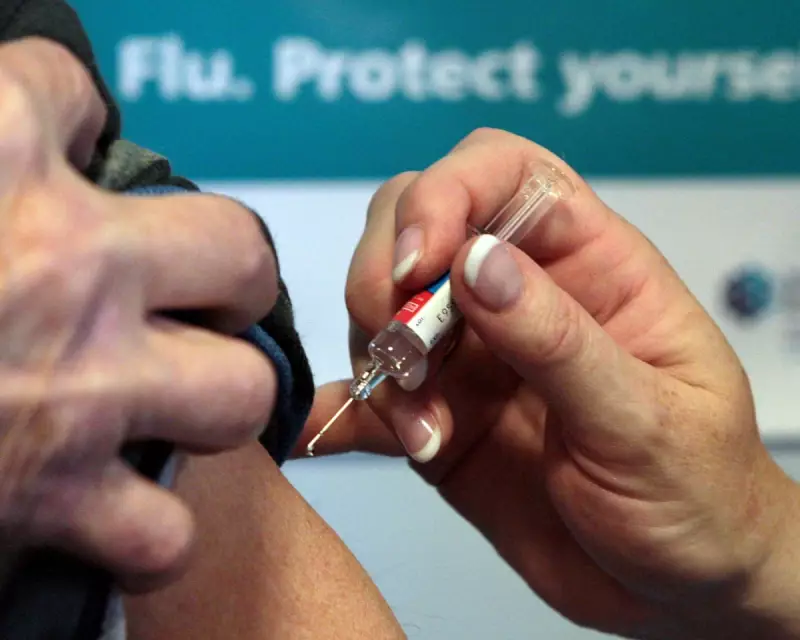
The early onset of this year's flu season, beginning more than a month ahead of schedule, has created particular concern among NHS managers who are intensifying efforts to vaccinate both staff and vulnerable communities.
The Mutated Strain Driving Concerns
Scientists first identified the concerning flu mutation in June, with genetic analysis revealing it as a descendant of the strain responsible for Australia's worst recorded flu season. Australia documented over 400,000 laboratory-confirmed cases, with insufficient vaccination rates exacerbating the situation.
This mutated virus, which evolved through the natural process of antigenic drift, has rapidly become the dominant strain circulating in the UK. The virus represents a subtype of influenza called H3N2, known for causing more severe illness than other circulating subtypes, particularly affecting older adults.
Professor Antonia Ho from the MRC-University of Glasgow Centre for Virus Research explained the significance of the early start: "Whenever there is an early start to the season, there tends to be a bigger peak. One reason is that fewer people have been vaccinated when they come into contact with the virus."
Increased Transmissibility and Hospital Preparedness
The reproduction number, or R value, for this flu season is estimated at 1.4, meaning every 100 infected individuals are expected to pass the virus to 140 others. This represents a notable increase from the typical flu season R value of 1.1 to 1.2.
Elaine Clancy, Group Chief Nursing Officer for St George's, Epsom and St Helier university hospitals, expressed serious concerns: "Last flu season was particularly nasty and we're very concerned that this year could be even worse. We're preparing for a spike of flu on to our wards."
While hospital strikes by resident doctors in England continue, NHS trusts are implementing contingency plans that include bringing consultants and additional staff for extra shifts, expanding same-day emergency care services, and increasing community-based treatment options to reduce hospital admissions.
Dr Claire Beynon, Executive Director of Public Health for Cardiff and Vale University Health Board, confirmed: "We are seeing a rapid and early increase in influenza this winter and are expecting to see an increase in hospital admissions."
Vaccination Effectiveness and Public Response
Early data from the UK Health Security Agency indicates that current vaccines demonstrate reduced effectiveness at preventing infections caused by the mutated flu virus, though they still provide substantial protection against severe disease. In England, vaccine effectiveness stands at 70-75% in children and 30-40% in adults for preventing hospital attendance and admissions.
Caroline Abrahams, Charity Director at Age UK, emphasised the urgency: "The new strain of flu is a worry on what was already predicted to be a big flu season. It is more important than ever that everyone that is eligible – including older people – gets the flu vaccine and also takes precautions to stay well this winter."
Concerning statistics reveal that less than one-third of people with one or more long-term health conditions have received their flu vaccination thus far.
Professor Ed Hutchinson from the MRC-University of Glasgow Centre for Virus Research offered a sobering assessment: "This has the potential to mean large numbers of people needing hospital treatment, particularly people in at-risk groups, notably older adults, but also people with underlying conditions, pregnant women, and very young children."
Health officials continue to monitor the situation closely as colder weather drives more indoor mixing, expecting case numbers to rise further in the coming weeks.




