
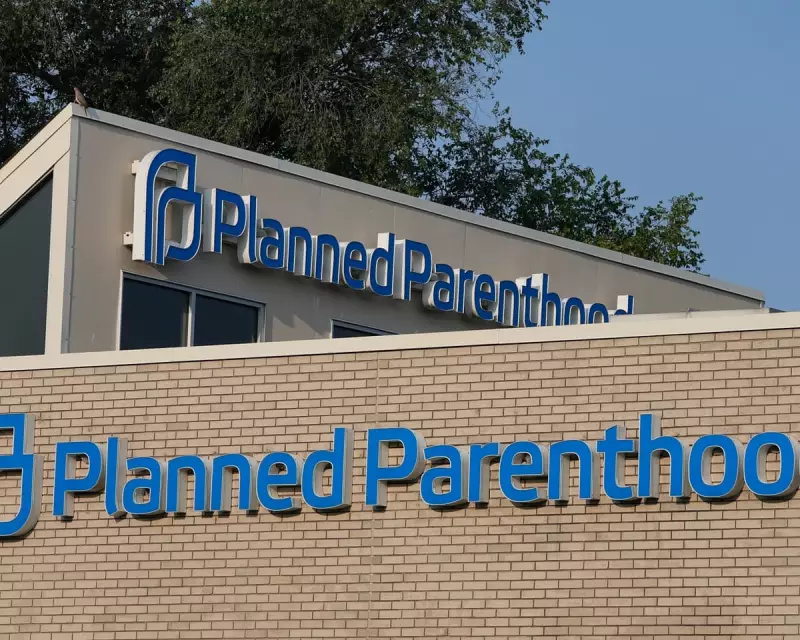
The administration of former US President Donald Trump has taken a decisive step to sever a key financial lifeline for the nation's largest reproductive healthcare provider. A newly proposed rule aims to block organisations like Planned Parenthood from receiving federal Medicaid reimbursements, a move set to ignite a fierce political and legal confrontation.
The Core of the New Rule
At the heart of the policy shift is a reinterpretation of long-standing Medicaid regulations. The Trump administration's rule, announced on Monday, 2nd December 2025, seeks to prevent states from directing Medicaid funds to healthcare providers that also perform abortions. This directly targets Planned Parenthood clinics across the United States.
Medicaid is a joint federal and state programme that provides health coverage to millions of low-income Americans. For decades, Planned Parenthood has been reimbursed through Medicaid for preventive services it provides to enrollees, such as cancer screenings, contraception, and testing for sexually transmitted infections (STIs). Federal law already prohibits the use of taxpayer money for abortions, except in rare cases, and these reimbursements have never covered abortion procedures.
The new rule, however, argues that funding a provider that offers abortions separately with other funds creates an "indirect" subsidy. This represents a significant departure from previous interpretations and could redirect hundreds of millions of dollars away from Planned Parenthood's network of clinics.
Immediate Reactions and Legal Challenges
The announcement was met with swift and forceful condemnation from reproductive rights advocates, Democratic lawmakers, and medical associations. Critics argue the move is a politically motivated attack that will disproportionately harm vulnerable communities, including low-income women, people of colour, and those in rural areas with limited healthcare options.
Planned Parenthood's leadership has vowed to fight the rule in court, signalling an immediate legal battle. Legal experts anticipate challenges based on the rule's potential violation of Medicaid's "free choice of provider" statute, which is designed to ensure patients can seek care from any qualified provider. Previous attempts by individual states to defund the organisation through Medicaid have often been struck down by federal courts.
This action follows a separate, contentious policy from the Trump administration often referred to as the "domestic gag rule." That rule barred clinics receiving federal Title X family planning funds from referring patients for abortions, leading Planned Parenthood to withdraw from the programme entirely. The new Medicaid rule is seen as an escalation of that effort.
Potential Consequences for Public Health
The potential fallout from this policy change extends far beyond political rhetoric. Public health experts warn of tangible risks to community health if Planned Parenthood clinics are forced to scale back services or close due to lost funding.
Planned Parenthood serves approximately 40% of the patients who receive contraceptive care from safety-net health centres. A significant reduction in its capacity could lead to decreased access to essential preventive care, potentially resulting in more unintended pregnancies, later-stage cancer diagnoses, and the spread of STIs. Opponents of the rule argue it will undermine, not advance, public health goals.
Proponents of the rule, including prominent anti-abortion groups, have hailed it as a victory. They argue it fulfils a promise to redirect public funds away from organisations associated with abortion and toward comprehensive community health centres that do not provide such services. The administration contends that other providers can absorb the patient load, though critics question the capacity and geographic reach of those alternatives.
The implementation of the rule is not immediate. It will undergo a standard public comment period, after which the administration can issue a final version. However, the threat of protracted litigation means its ultimate enforcement remains uncertain. The battle over Medicaid funding is poised to become another defining flashpoint in America's enduring conflict over reproductive rights and healthcare access.




