TikTok's Unexpected Role in Early Cancer Detection
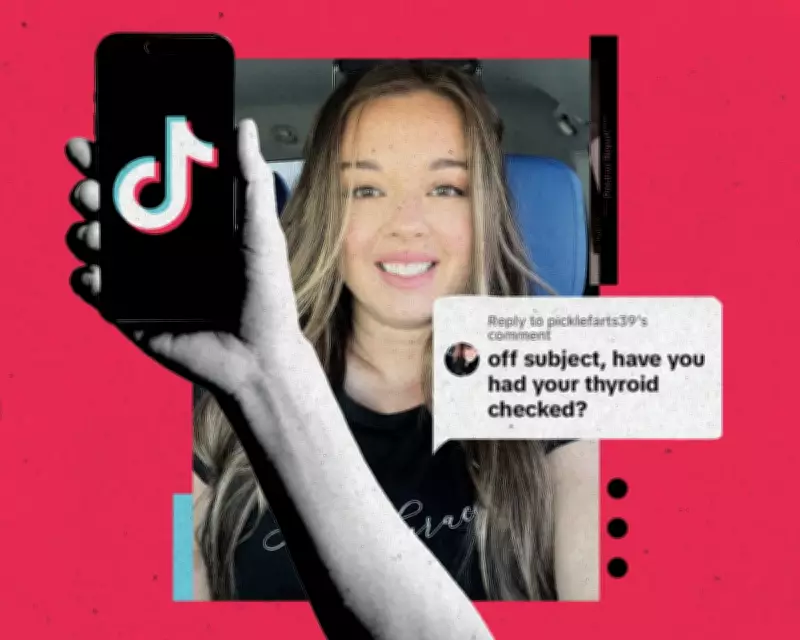
In a remarkable twist of digital fate, Malina Lee, a 31-year-old wedding baker from San Antonio, Texas, credits a TikTok commenter with the username 'PickleFart' for potentially saving her life. During the Covid-19 pandemic lockdowns in 2020, Lee joined TikTok to pass time and promote her business, never anticipating it would lead to a critical medical discovery.
The Comment That Changed Everything
Four years after joining the platform, an anonymous user named PickleFart noticed an asymmetry in Lee's neck in a video, suggesting it might indicate a goiter—an enlarged thyroid gland—and urged her to seek medical evaluation. Lee heeded the advice, and tests confirmed she had thyroid cancer. Thanks to early detection, she underwent prompt treatment and was declared cancer-free within a year. "My oncologist was in awe that I caught it so early," Lee recounted. "I hate to say it, but I wouldn't have gone to the doctor without that comment. The process was accelerated by someone called PickleFart."
The Rise of Social Media Health Vigilantes
Lee's story is part of a growing trend where TikTok users report that the app's algorithm or fellow commenters help identify undiagnosed medical issues. In many cases, individuals find that symptoms shared by others online mirror their own, leading to formal diagnoses. PickleFart, whose real name is Billie Jean Tuomi, has become known as a "thyroid avenger" after accurately spotting thyroid problems in at least four users, including Lee. Tuomi, a thyroid cancer survivor herself, started commenting to help others avoid her own difficult diagnostic journey. "The earlier you get diagnosed, the easier it is to treat," she explained. "I feel it's important to say something if you see something."

Navigating Healthcare in the Digital Age
While social media can empower patients, it also presents challenges. Craig Mittleman, an emergency services director in Connecticut, notes a sharp increase in patients influenced by online information. "It allows patients to feel empowered, but we often spend time debunking misinformation," he said. This reliance can strain doctor-patient relationships, especially with pervasive medical myths. Tuomi emphasizes she never diagnoses conditions, only encourages professional check-ups, yet she has faced overwhelming requests for advice, highlighting gaps in the U.S. healthcare system. "It's sad that people seek medical advice on social media," she remarked.
Community and Support for Chronic Illness
Research indicates women are more likely to seek health information online, often due to gender biases in healthcare. Tori Mosser, a 23-year-old filmmaker in Dallas, shares her chronic illness experiences on TikTok and credits the platform for a recent appendicitis diagnosis after being dismissed by doctors. "Being a woman can contribute to being dismissed in healthcare settings," she said. For many, TikTok provides a vital community, offering validation and awareness for invisible illnesses. Lee now uses the app to connect with others about an autoimmune disorder, finding solace in shared experiences. "I rely on my feed for comfort and to realize I'm not alone," she added.
This phenomenon underscores social media's dual role: as a tool for early detection and support, yet a source of misinformation, urging a balanced approach to digital health engagement.