
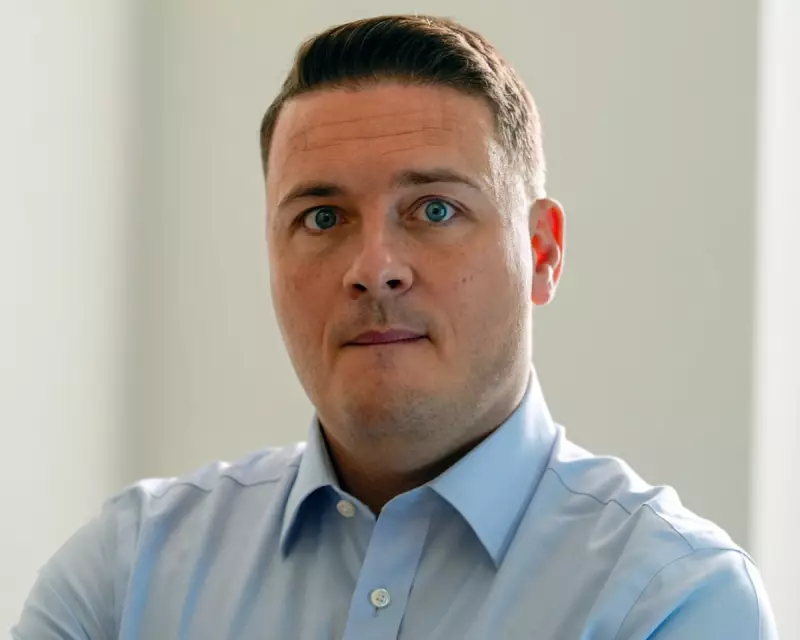
Health Secretary Wes Streeting is facing severe criticism for his handling of the National Health Service, with a major report from the Institute for Government (IfG) describing his approach to reform as 'chaotic and incoherent'.
The damning assessment warns that this mismanagement makes it unlikely the government will hit its own key NHS performance targets, threatening one of its central political missions.
Praise Undermined by Poor Reform Strategy
The report does acknowledge some positive steps taken by Streeting during his first year in office. It highlights improved performance and staff retention in hospitals, noting that the rate at which hospital staff are leaving is the lowest on record outside the pandemic period.
Furthermore, the pay settlement he negotiated with resident doctors successfully averted a winter of disruptive NHS strikes.
However, the IfG states these gains have been severely undermined by the health secretary's flawed reform agenda. Stuart Hoddinott, the report's author and an associate director at the thinktank, stated: 'That has been undermined by a chaotic and incoherent approach to reforming the service.'
Key Failures and Contradictory Policies
The report singles out several critical failures. The abolition of NHS England was described as 'abysmally handled,' serving as a 'case study in how not to make complex policy decisions.'
This move has proven so contentious that the Treasury has recently rebuffed Streeting's demand for over £1 billion to cover the associated redundancy costs.
Additionally, the report accuses Streeting of pulling the health service in contradictory directions. While he advocates for shifting more care into the community, his proposal for new 'integrated health organisations' could paradoxically end up funnelling more money to hospitals.
The government has also been criticised for a lack of action to stem the exodus of senior GP partners, a issue the report suggests could form a 'disastrous legacy.' Details on how reforms will be implemented are scant, with little beyond a reliance on emerging technologies like voice capture tools for GPs.
Stagnating Performance and Missed Targets
Despite promises of sweeping change, the report finds that NHS performance has largely stagnated or even declined in many areas over the past year.
A critical finding is the continued struggle to improve productivity. The report reveals that fewer than 10% of NHS areas have managed to increase the number of elective procedures they perform by more than the number of extra staff they have hired.
As a direct consequence, the IfG issues a stark warning: The government will struggle to meet its flagship target that 92% of patients should wait no longer than 18 weeks from referral to treatment for non-urgent conditions. It also states there is 'little chance' of meeting national waiting time targets for A&E and cancer treatment.
This scrutiny comes at a sensitive time for Streeting, who is widely seen as a potential future Labour leader and is under intense pressure to demonstrate success in one of the government's top priorities.




