
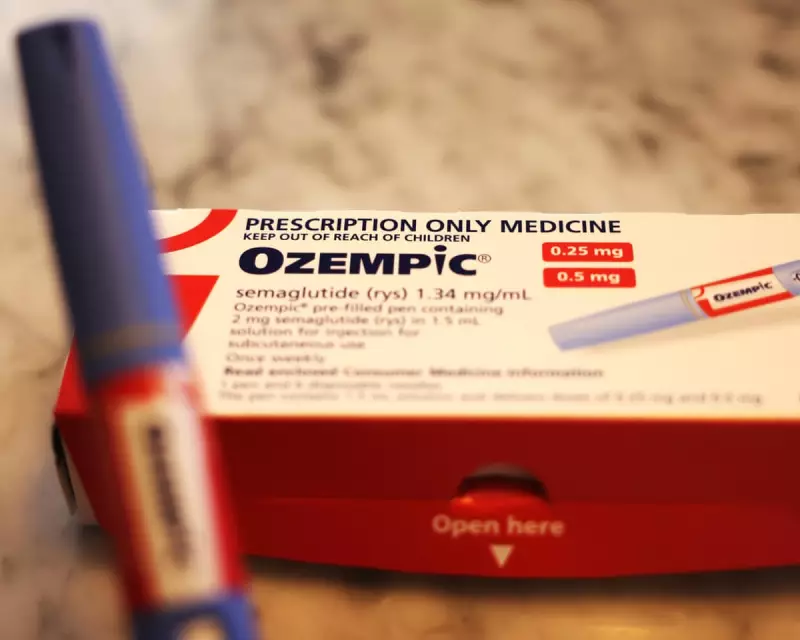
Australia's leading medicines watchdog has issued significant new safety alerts concerning a popular class of diabetes and weight-loss medications, including the high-profile drug Ozempic.
Mental Health Monitoring Required for GLP-1 Receptor Agonists
The Therapeutic Goods Administration (TGA) has mandated that healthcare professionals closely monitor patients for the emergence or worsening of depression, suicidal thoughts, or unusual changes in behaviour. This precaution follows international reports of suicidal behaviour and ideation potentially linked to this category of medicines.
The warning applies to the entire class of GLP-1 receptor agonists (GLP-1 RA), which includes widely used brands such as:
- Ozempic
- Wegovy
- Saxenda
- Trulicity
- Mounjaro
While these drugs are relatively new to widespread use, the TGA is acting on emerging safety data to ensure patient wellbeing is prioritised. Doctors are advised to consider these risks when prescribing.
Separate Contraception Warning for Mounjaro Users
In a separate safety communication, the TGA has also addressed concerns regarding the drug Mounjaro (tirzepatide) and its potential interaction with oral contraceptives.
Following an investigation, the regulator concluded it could not rule out an association between starting Mounjaro or increasing its dose and a reduction in the effectiveness of oral contraception.
As a result, the TGA has updated product information with a precautionary measure. It advises patients using oral contraceptives to either switch to a non-oral method or add a barrier method of contraception for four weeks after initiation and for four weeks after each dose increase.
Key Patient Advice and Broader Precautions
The TGA reinforces that none of the GLP-1 RA class of medicines should be used during pregnancy. This aligns with existing guidance for this type of treatment.
Patients currently using any of these medications are urged not to stop treatment abruptly but to discuss any concerns, particularly regarding mood or contraceptive efficacy, with their prescribing doctor. The new warnings are designed to inform both medical practitioners and the public, enabling more informed decisions about treatment options and necessary monitoring.
These alerts highlight the ongoing pharmacovigilance role of regulators like the TGA, especially for newer drug classes where long-term safety profiles are still being established in the wider population.




